


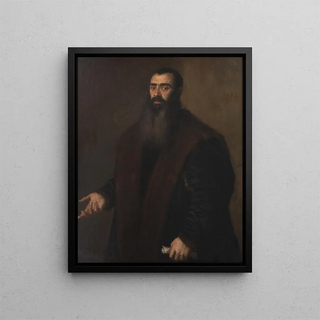


Buy art prints – Nuremberg: art and history at the heart of Bavaria
Nuremberg, an iconic city of Bavaria, is a true artistic and historical jewel that marked the German Renaissance and beyond. This collection of art prints pays tribute to the great masters of Nuremberg, such as Albrecht Dürer, Michael Wolgemut, or Hans Holbein the Younger, who captured the architectural richness and the unique light of this medieval city. By incorporating these works into your interior, you invite an atmosphere of timeless elegance, blending medieval charm and aesthetic rigor. Discover how these art prints of Nuremberg enhance your decor by blending tradition and modernity.
Frequently asked questions about the journey and heritage of Nuremberg
What is the historical significance of Nuremberg in European art?
Nuremberg has been a major cultural center since the Middle Ages, notably thanks to its strategic and economic position. It saw the birth and influence of artists of the German Renaissance, and has preserved a rich architectural and artistic heritage that testifies to its influence.
Who are the most emblematic artists of Nuremberg?
Albrecht Dürer is undoubtedly the most famous, recognized for his exceptional talent in engraving and painting. Michael Wolgemut, his master, as well as Hans Holbein the Younger, Friedrich Wanderer, and Lorenz Ritter are other important figures who contributed to the artistic renown of the city.
What are the stylistic characteristics of Nuremberg works?
Nuremberg works stand out for their great architectural precision, unique lighting, and harmony between realism and poetry. They blend late Gothic influences with Renaissance innovations, offering compositions rich in detail and depth.
How is light represented in these paintings?
The light in Nuremberg paintings is often golden and warm, reflecting the clarity of southern Germany. It emphasizes volumes, enhances textures, and creates a striking contrast with often dramatic skies, thus reinforcing the atmosphere of each scene.
What role does architecture play in these works?
Architecture is a central element, often highlighted through ramparts, castles, or half-timbered houses. It symbolizes the city's historical wealth and artisanal tradition while structuring pictorial compositions.
What subjects are favored in this collection?
Subjects range from portraits and religious scenes to urban landscapes and panoramic views of Nuremberg, including its markets, ramparts, and imperial castle, illustrating the diversity and richness of Nuremberg life through the centuries.
How do these art prints integrate into modern decor?
Thanks to their balance between tradition and modernity, these art prints adapt equally well to classic, contemporary, or industrial interiors, adding a touch of elegance, history, and light that enhances each space.
What is the quality of the art prints offered?
Each art print is carefully crafted to faithfully reproduce the colors, contrasts, and fine details of the original, offering a museum-quality print that guarantees durability and remarkable aesthetic rendering.
History and characteristics of the artistic style of Nuremberg
The artistic style of Nuremberg is rooted in a rich tradition, blending Gothic influences, Renaissance humanism, and 19th-century romanticism. This diversity reflects the cultural and historical evolutions of the city, which has remained a major creative hub in Germany.
The German Renaissance and Albrecht Dürer
Albrecht Dürer, native of Nuremberg, embodies the peak of the German Renaissance. Master of drawing and etching, he combined scientific rigor with artistic sensitivity, producing works that explore nature, religion, and portraiture with unparalleled precision.
The late Gothic and Michael Wolgemut
Michael Wolgemut, mentor of Dürer, introduced the codes of late Gothic to Nuremberg. His work is characterized by detailed compositions, expressive use of light, and a strong narrative dimension, inspiring an entire generation of artists.
Influences and artistic exchanges
Hans Holbein the Younger, although associated with other regions, was influenced by the Nuremberg school, particularly in his realism and rigor. This openness to exchange enriched the local style, blending tradition and pictorial innovations.
Romanticism and 19th-century painters
In the 19th century, artists like Friedrich Wanderer and Lorenz Ritter immortalized Nuremberg with a romantic gaze, blending nostalgia and modernity. Their works reflect a city that is both historic and lively, capturing Bavarian soul.
The contribution of sculpture and drawing
Peter Vischer, sculptor and draftsman, translated the spiritual and artistic power of Nuremberg into bronze and paper, thus complementing the visual richness of the imperial city and strengthening its artistic influence.
Why buy an art print of Nuremberg?
The reproductions of Nuremberg paintings offer an immersion into German history and art, combining authenticity and aesthetics. They allow you to decorate your interior with works full of character, evoking the grandeur of a city with a rich artistic past.
These artistic products integrate harmoniously into your decor:
In a living room, they add a touch of sophistication and a dialogue between past and present.
In a bedroom, they create a calming and elegant atmosphere, conducive to relaxation.
In an office, they inspire artistic creativity and a refined work environment.
These pieces are thus key elements that enhance every living space.
An ambiance that elevates your decor
Hanging an art print of Nuremberg is like inviting the city’s golden light and striking contrasts into your home. Views of the ramparts, the imperial castle, or the central market evoke authenticity and depth that enrich the atmosphere of your interior.
A timeless art for your decor
Nuremberg art traverses the ages thanks to its balance between rigor and poetry. These art prints adapt to all styles of decoration, from classic to contemporary, including industrial. Installing a Nuremberg art print is:
Bring a touch of history and culture to your space.
Enhance natural light and architectural volumes.
Create a focal point rich in detail and meaning.
Offer an elegant and harmonious atmosphere.
Do you offer museum-quality printing?
Each art print is made with the utmost care, respecting the original palette and the finest details of the works. The prints benefit from high-quality materials that guarantee long-lasting durability and a faithful rendering, worthy of the greatest museum collections.
FAQ about our collection of art print reproductions – Nuremberg
What artistic periods does this collection cover?
It ranges from late Gothic to the Renaissance, then to 19th-century Romanticism, offering a wide stylistic palette.
Are the art prints faithful to the originals?
Yes, each art print is meticulously produced to respect the colors and details of the original works.
What formats are available?
Different formats are offered to suit all spaces and decorative needs.
Can these art prints be framed easily?
Yes, they are designed to be easily framed according to your tastes and styles.
Are these art prints suitable for modern decor?
Absolutely, they integrate perfectly into contemporary, classic, or industrial interiors.
Do you offer styling advice?
Decoration suggestions are available to best enhance each art print.
Are all the artists presented originally from Nuremberg?
Mainly, yes. Some artists like Hans Holbein the Younger have been influenced by the Nuremberg school.
Are the art prints from the public domain?
Yes, all the art prints reproduced belong to the public domain, ensuring the legitimacy of the prints.
Our top 8 of the most famous art prints from Nuremberg
1. Self-portrait of Albrecht Dürer (1498)
A masterpiece illustrating mastery of portraiture and the self-confidence of the young Renaissance artist.
2. Albrecht Dürer’s Melancholy (1514)
A symbolic and complex engraving, blending science, art, and mysticism.
3. The Virgin at the Canon (Michael Wolgemut, 1480)
A representative work of late Gothic, rich in details and religious symbols.
4. Portrait of Franz von Sickingen (Hans Holbein the Younger, circa 1526)
An example of the realism and rigor of the Nuremberg school in court portraits.
5. View of the Nuremberg ramparts (Friedrich Wanderer, 1850)
A romantic scene highlighting the architectural beauty of the city.
6. The central market of Nuremberg (Lorenz Ritter, 1880)
A lively and colorful depiction of urban life in the 19th century.
7. Sculpture by Peter Vischer (late 15th century)
A bronze work illustrating the spiritual and artistic power of Nuremberg.
8. Urban landscape of the Renaissance (Anonymous, 16th century)
A harmonious composition that captures the light and atmosphere of the city at that time.
Conclusion: Give your decor a breath of history and artistry
Choosing an art print of a Nuremberg painting is much more than decorating a wall. It is inviting the soul of a city that has marked art history in Europe, blending tradition, innovation, and luminous beauty.
These works, crafted with care and passion, add a touch of elegance and depth to your interior, whether it is classic, modern, or industrial.
Let yourself be seduced by this unique collection, which revives the grandeur and poetry of Nuremberg through art prints of exceptional quality.