
Young Girl Painting - Jankel Adler | Art print


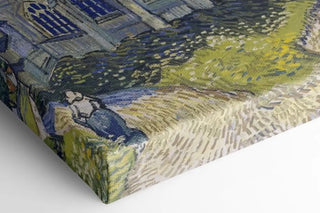
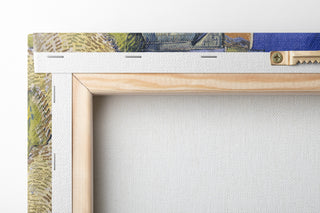
View from behind
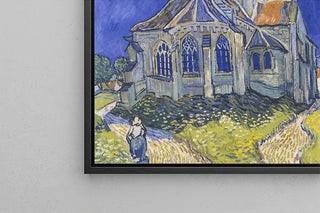
Frame (optional)
In the vibrant universe of modern art, some artworks stand out for their ability to capture the essence of humanity with rare intensity. "Jeune fille - Jankel Adler" is one of these creations that transcend the simple frame of painting to establish themselves as a true testament to the human soul. Through this painting, Adler invites us to dive into a world where emotions and reflections intertwine, offering a poignant perspective on youth and the human condition. The figure of the young girl, at the center of this composition, awakens in us a multitude of feelings, oscillating between melancholy and hope. This work, through its depth and sensitivity, embodies a timeless dialogue between the artist and his audience, a conversation that still resonates today.
Style and uniqueness of the work
Jankel Adler's style is characterized by a bold and expressive approach, blending cubist influences and figurative elements. In "Jeune fille," the artist deploys a palette of vibrant colors that gives a particular dynamism to the composition. The forms are both stylized and powerful, translating the complexity of human emotions. The young girl, whose face is imbued with gentle melancholy, seems to capture a suspended moment in time, where thoughts and dreams intertwine. Adler, through his play of light and shadow, manages to create an atmosphere that is both intimate and universal, inviting the viewer to reflect on the aspirations and anxieties of youth. Every brushstroke, every nuance of color, contributes to the development of a work that is both personal and collective, resonating with everyone's experiences.
The artist and his influence
Jankel Adler, an emblematic figure of modern art, knew how to mark his era through his artistic commitment and his quest for meaning. Born in Poland, he traversed the tumult of his time, notably World War II, which profoundly influenced his work. Adler made his art a means of expression, a way to bear witness to the sufferings and hopes of his era. His encounter with various artistic currents, such as the
Young Girl Painting - Jankel Adler | Art print

-10% FROM €95 IN PURCHASES
-15% FROM €195 IN PURCHASES
Regular price
- Unit price
- per
Tax included.
Free shipping
€4.90 / Free shipping on orders over €39
Satisfied or Money Back
Free returns within 30 days
10-year warranty
Our prints are guaranteed for 10 years
Any questions? We are here!
by email to contact@artemlegrand.com
THE STEPS OF YOUR ORDER
STEP 1 - ORDER PLACED
Your order has been confirmed and we are starting production
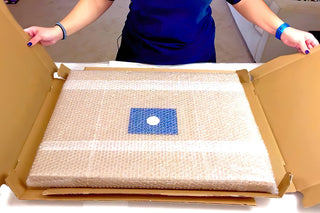
STEP 2 - SHIPPING
We ship your order. We send you an email to track the progress

STEP 3 - DELIVERY
You receive your order. You can also, according to your choice, be delivered to a relay point.
Matte finish
View from behind
Frame (optional)
In the vibrant universe of modern art, some artworks stand out for their ability to capture the essence of humanity with rare intensity. "Jeune fille - Jankel Adler" is one of these creations that transcend the simple frame of painting to establish themselves as a true testament to the human soul. Through this painting, Adler invites us to dive into a world where emotions and reflections intertwine, offering a poignant perspective on youth and the human condition. The figure of the young girl, at the center of this composition, awakens in us a multitude of feelings, oscillating between melancholy and hope. This work, through its depth and sensitivity, embodies a timeless dialogue between the artist and his audience, a conversation that still resonates today.
Style and uniqueness of the work
Jankel Adler's style is characterized by a bold and expressive approach, blending cubist influences and figurative elements. In "Jeune fille," the artist deploys a palette of vibrant colors that gives a particular dynamism to the composition. The forms are both stylized and powerful, translating the complexity of human emotions. The young girl, whose face is imbued with gentle melancholy, seems to capture a suspended moment in time, where thoughts and dreams intertwine. Adler, through his play of light and shadow, manages to create an atmosphere that is both intimate and universal, inviting the viewer to reflect on the aspirations and anxieties of youth. Every brushstroke, every nuance of color, contributes to the development of a work that is both personal and collective, resonating with everyone's experiences.
The artist and his influence
Jankel Adler, an emblematic figure of modern art, knew how to mark his era through his artistic commitment and his quest for meaning. Born in Poland, he traversed the tumult of his time, notably World War II, which profoundly influenced his work. Adler made his art a means of expression, a way to bear witness to the sufferings and hopes of his era. His encounter with various artistic currents, such as the
12,34 €