
Painting Woman with Grapes - Jankel Adler | Art print


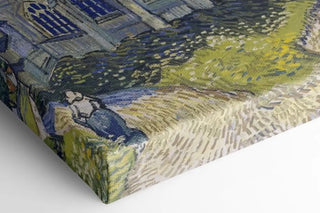
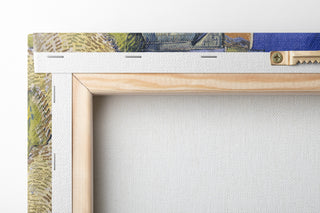
View from behind
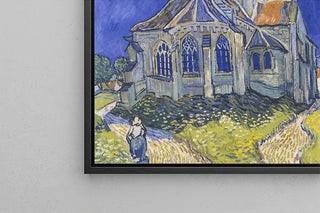
Frame (optional)
In the vast panorama of modern art, certain works stand out for their ability to capture the very essence of humanity. "Femme aux raisins" by Jankel Adler is one of those creations that transcend the simple painting to become a profound reflection on the human condition. Through this piece, the artist invites us to explore themes of femininity, nature, and everyday life, all while using visual elements that engage and fascinate. Contemplating this work, the viewer is carried on a sensory journey where forms and colors blend harmoniously, revealing a rich and complex story.
Style and uniqueness of the work
Jankel Adler's style is characterized by a bold and innovative approach. In "Femme aux raisins," he employs a palette of vibrant colors that evoke both joy and melancholy, creating a striking contrast. Fluid lines and organic shapes combine to give life to a female figure that seems both grounded in reality and ethereal. The depiction of the woman, surrounded by grapes, symbolizes not only fertility and abundance but also a deep connection with the earth and nature. Adler manages to establish a dialogue between the individual and their environment, inviting the viewer to reflect on the place of man in the world. Every detail of the work, from the choice of colors to stylized forms, demonstrates the artist's technical mastery and keen sense of aesthetics.
The artist and his influence
Jankel Adler, born in Poland and having lived in Germany before settling in England, is a major figure of the expressionist movement. His artistic journey is deeply influenced by the tumult of his era, notably the rise of Nazism and World War II. These tragic events shaped his worldview and his art, pushing him to explore themes of suffering, identity, and resilience. "Femme aux raisins" fits within this lineage of works that question the human condition while celebrating the beauty of life. Adler was able, through his creations, to build a bridge between European artistic traditions and new trends, influenced
Painting Woman with Grapes - Jankel Adler | Art print

-10% FROM €95 IN PURCHASES
-15% FROM €195 IN PURCHASES
Regular price
- Unit price
- per
Tax included.
Free shipping
€4.90 / Free shipping on orders over €39
Satisfied or Money Back
Free returns within 30 days
10-year warranty
Our prints are guaranteed for 10 years
Any questions? We are here!
by email to contact@artemlegrand.com
THE STEPS OF YOUR ORDER

STEP 1 - ORDER PLACED
Your order has been confirmed and we are starting production
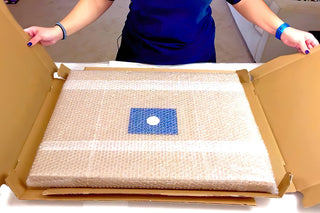
STEP 2 - SHIPPING
We ship your order. We send you an email to track the progress

STEP 3 - DELIVERY
You receive your order. You can also, according to your choice, be delivered to a relay point.
Matte finish
View from behind
Frame (optional)
In the vast panorama of modern art, certain works stand out for their ability to capture the very essence of humanity. "Femme aux raisins" by Jankel Adler is one of those creations that transcend the simple painting to become a profound reflection on the human condition. Through this piece, the artist invites us to explore themes of femininity, nature, and everyday life, all while using visual elements that engage and fascinate. Contemplating this work, the viewer is carried on a sensory journey where forms and colors blend harmoniously, revealing a rich and complex story.
Style and uniqueness of the work
Jankel Adler's style is characterized by a bold and innovative approach. In "Femme aux raisins," he employs a palette of vibrant colors that evoke both joy and melancholy, creating a striking contrast. Fluid lines and organic shapes combine to give life to a female figure that seems both grounded in reality and ethereal. The depiction of the woman, surrounded by grapes, symbolizes not only fertility and abundance but also a deep connection with the earth and nature. Adler manages to establish a dialogue between the individual and their environment, inviting the viewer to reflect on the place of man in the world. Every detail of the work, from the choice of colors to stylized forms, demonstrates the artist's technical mastery and keen sense of aesthetics.
The artist and his influence
Jankel Adler, born in Poland and having lived in Germany before settling in England, is a major figure of the expressionist movement. His artistic journey is deeply influenced by the tumult of his era, notably the rise of Nazism and World War II. These tragic events shaped his worldview and his art, pushing him to explore themes of suffering, identity, and resilience. "Femme aux raisins" fits within this lineage of works that question the human condition while celebrating the beauty of life. Adler was able, through his creations, to build a bridge between European artistic traditions and new trends, influenced
12,34 €