
Painting Woman in her Office - Robert Duddingstone Herdman | Art print


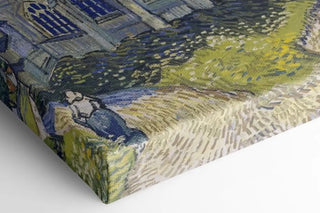
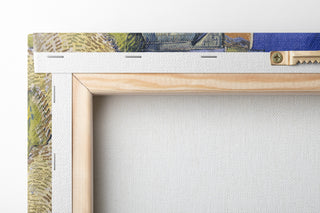
View from behind
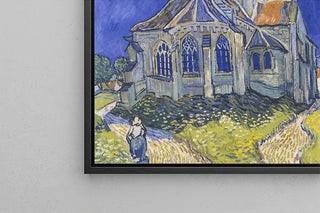
Frame (optional)
In the vibrant universe of art, some works manage to capture the essence of humanity with such delicacy that they transcend time. "Femme dans son bureau" by Robert Duddingstone Herdman is one of these creations. This painting, both intimate and evocative, immerses us in a suspended moment where daily life blends with a deeper reflection on the female condition of the 19th century. By observing this piece, the viewer is invited to feel the atmosphere of a workspace, to question the thoughts of the woman depicted, and to appreciate the technical mastery of the artist. This artwork does not merely depict a scene; it tells a story—a story of emotions, dreams, and aspirations.
Style and uniqueness of the work
Robert Duddingstone Herdman's style is distinguished by his ability to combine realism and sensitivity. In "Femme dans son bureau," every detail is carefully considered, from the textures of the clothing to the reflections of light on surrounding surfaces. The composition reveals a subtle harmony between shadows and lights, creating an atmosphere that is both warm and contemplative. The woman, at the center of the canvas, appears absorbed in her thoughts—a posture that evokes both solitude and inner strength. Herdman succeeds in capturing not only the physical appearance of his model but also her essence, her concerns, and her inner world. This artwork is an invitation to explore the daily life of a woman at a time when her role was often confined to the shadows, while celebrating the beauty of domestic life.
The artist and his influence
Robert Duddingstone Herdman, a Scottish artist of the 19th century, is a name worth rediscovering. Trained at the Glasgow School of Art, he established himself as a talented artist, recognized for his finesse and his humanist approach to painting. The influence of the Scottish school is evident in his works, where nature and human emotions meet with great elegance. Herdman often explored themes related to daily life, family, and femininity.
Painting Woman in her Office - Robert Duddingstone Herdman | Art print

-10% FROM €95 IN PURCHASES
-15% FROM €195 IN PURCHASES
Regular price
- Unit price
- per
Tax included.
Free shipping
€4.90 / Free shipping on orders over €39
Satisfied or Money Back
Free returns within 30 days
10-year warranty
Our prints are guaranteed for 10 years
Any questions? We are here!
by email to contact@artemlegrand.com
THE STEPS OF YOUR ORDER

STEP 1 - ORDER PLACED
Your order has been confirmed and we are starting production
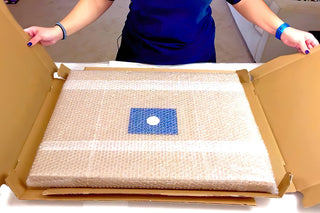
STEP 2 - SHIPPING
We ship your order. We send you an email to track the progress

STEP 3 - DELIVERY
You receive your order. You can also, according to your choice, be delivered to a relay point.
Matte finish
View from behind
Frame (optional)
In the vibrant universe of art, some works manage to capture the essence of humanity with such delicacy that they transcend time. "Femme dans son bureau" by Robert Duddingstone Herdman is one of these creations. This painting, both intimate and evocative, immerses us in a suspended moment where daily life blends with a deeper reflection on the female condition of the 19th century. By observing this piece, the viewer is invited to feel the atmosphere of a workspace, to question the thoughts of the woman depicted, and to appreciate the technical mastery of the artist. This artwork does not merely depict a scene; it tells a story—a story of emotions, dreams, and aspirations.
Style and uniqueness of the work
Robert Duddingstone Herdman's style is distinguished by his ability to combine realism and sensitivity. In "Femme dans son bureau," every detail is carefully considered, from the textures of the clothing to the reflections of light on surrounding surfaces. The composition reveals a subtle harmony between shadows and lights, creating an atmosphere that is both warm and contemplative. The woman, at the center of the canvas, appears absorbed in her thoughts—a posture that evokes both solitude and inner strength. Herdman succeeds in capturing not only the physical appearance of his model but also her essence, her concerns, and her inner world. This artwork is an invitation to explore the daily life of a woman at a time when her role was often confined to the shadows, while celebrating the beauty of domestic life.
The artist and his influence
Robert Duddingstone Herdman, a Scottish artist of the 19th century, is a name worth rediscovering. Trained at the Glasgow School of Art, he established himself as a talented artist, recognized for his finesse and his humanist approach to painting. The influence of the Scottish school is evident in his works, where nature and human emotions meet with great elegance. Herdman often explored themes related to daily life, family, and femininity.
12,34 €