
Painting Woman at her toilette - Louis Anquetin | Art print Source: Tableau Femme à sa toilette - Louis Anquetin | Reproduction


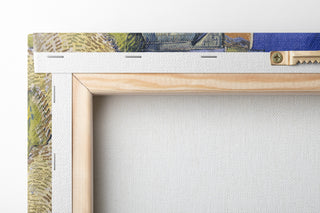
View from behind
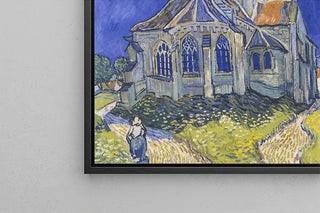
Frame (optional)
In the vast panorama of art history, some artworks stand out for their ability to capture intimate and fleeting moments of everyday life. "Femme à sa toilette" by Louis Anquetin is one of those iconic pieces that evoke both the beauty and vulnerability of women in a domestic setting. This canvas, created at the end of the 19th century, is part of the post-impressionist movement and marks a turning point in the depiction of femininity. Anquetin, playing with light and color, invites us to enter the intimacy of a woman absorbed in her routine, while revealing a rich and nuanced emotional universe.
Style and uniqueness of the work
"Femme à sa toilette" is characterized by a distinctive style that combines Japanese influences with a modern approach to composition. Anquetin uses flowing lines and stylized forms that enhance the silhouette of the woman, placing her at the center of a gentle and soothing atmosphere. The chosen color palette, oscillating between pastel shades and more vivid hues, creates a visual harmony that draws the eye and invites contemplation. This chromatic choice, combined with a flat painting technique, gives the work an almost graphic dimension, while maintaining a certain lightness. The scene depicted, where the woman prepares herself, becomes a moment of pause, an invitation to appreciate the beauty of everyday gestures, while revealing a psychological depth that transcends simple representation.
The artist and his influence
Louis Anquetin, a major figure of the post-impressionist movement, knew how to mark his era with his innovative approach and his ability to draw inspiration from various artistic currents. A student of Gustave Moreau, he developed a personal style that blends Impressionism with elements of Japonism, an artistic phenomenon that profoundly influenced many artists of his time. Anquetin was also one of the precursors of Fauvism, and his bold use of color paved the way for new artistic explorations. Through "Femme à sa toilette", he does not merely depict a domestic scene,
Painting Woman at her toilette - Louis Anquetin | Art print Source: Tableau Femme à sa toilette - Louis Anquetin | Reproduction

-10% FROM €95 IN PURCHASES
-15% FROM €195 IN PURCHASES
Regular price
- Unit price
- per
Tax included.
Free shipping
€4.90 / Free shipping on orders over €39
Satisfied or Money Back
Free returns within 30 days
10-year warranty
Our prints are guaranteed for 10 years
Any questions? We are here!
by email to contact@artemlegrand.com
THE STEPS OF YOUR ORDER
STEP 1 - ORDER PLACED
Your order has been confirmed and we are starting production
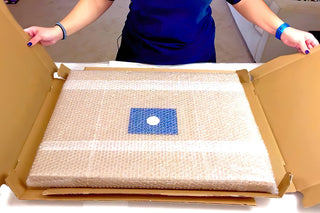
STEP 2 - SHIPPING
We ship your order. We send you an email to track the progress
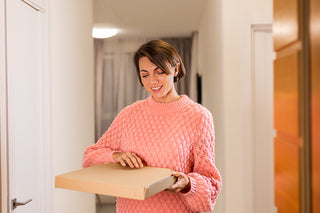
STEP 3 - DELIVERY
You receive your order. You can also, according to your choice, be delivered to a relay point.
Matte finish
View from behind
Frame (optional)
In the vast panorama of art history, some artworks stand out for their ability to capture intimate and fleeting moments of everyday life. "Femme à sa toilette" by Louis Anquetin is one of those iconic pieces that evoke both the beauty and vulnerability of women in a domestic setting. This canvas, created at the end of the 19th century, is part of the post-impressionist movement and marks a turning point in the depiction of femininity. Anquetin, playing with light and color, invites us to enter the intimacy of a woman absorbed in her routine, while revealing a rich and nuanced emotional universe.
Style and uniqueness of the work
"Femme à sa toilette" is characterized by a distinctive style that combines Japanese influences with a modern approach to composition. Anquetin uses flowing lines and stylized forms that enhance the silhouette of the woman, placing her at the center of a gentle and soothing atmosphere. The chosen color palette, oscillating between pastel shades and more vivid hues, creates a visual harmony that draws the eye and invites contemplation. This chromatic choice, combined with a flat painting technique, gives the work an almost graphic dimension, while maintaining a certain lightness. The scene depicted, where the woman prepares herself, becomes a moment of pause, an invitation to appreciate the beauty of everyday gestures, while revealing a psychological depth that transcends simple representation.
The artist and his influence
Louis Anquetin, a major figure of the post-impressionist movement, knew how to mark his era with his innovative approach and his ability to draw inspiration from various artistic currents. A student of Gustave Moreau, he developed a personal style that blends Impressionism with elements of Japonism, an artistic phenomenon that profoundly influenced many artists of his time. Anquetin was also one of the precursors of Fauvism, and his bold use of color paved the way for new artistic explorations. Through "Femme à sa toilette", he does not merely depict a domestic scene,
12,34 €