
Painting Woman and Child - Wilhelm Leibl | Art print


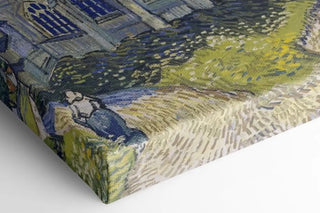
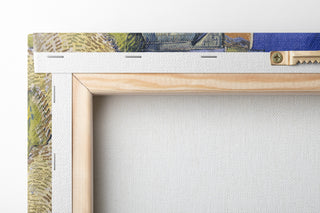
View from behind
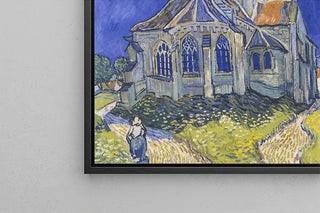
Frame (optional)
In the world of art, some works transcend the simple frame of the canvas to evoke deep emotions and reflections on the human condition. "Femme et enfant" by Wilhelm Leibl is one of those creations that capture not only a moment of life but also the very essence of family bonds. This piece, created at the end of the 19th century, perfectly illustrates the ability of art to immortalize moments of tenderness and complicity. The attentive gaze of the mother and the innocence of the child combine to create an atmosphere filled with warmth and gentleness. By contemplating this scene, the viewer is transported into a universe where time seems suspended, where every detail tells a story.
Style and uniqueness of the work
Wilhelm Leibl's style is often associated with realism, a movement that seeks to depict everyday life without embellishment. In "Femme et enfant," this approach is manifested through meticulous attention to the expressions and gestures of the characters. The colors are carefully chosen, creating a harmony that enhances the intimacy of the scene. The play of light and shadow adds striking depth, allowing the viewer to feel the warmth of the family environment. Every brushstroke appears loaded with meaning, and the mother's gaze, both protective and contemplative, evokes reflections on the passage of time and the ephemeral nature of childhood. This work also stands out for its natural setting, which contributes to the authenticity of the representation. Leibl thus manages to combine realism and poetry, offering a touching vision of motherhood.
The artist and his influence
Wilhelm Leibl, an emblematic figure of German realism, knew how to mark his era with his unique approach and artistic sensitivity. Born in 1844, he was influenced by masters such as Courbet and Millet but also developed his own style, characterized by attentive observation of daily life. Leibl often explored themes related to peasantry and family life, seeking to capture the authenticity of human emotions. His influence extends beyond his time, inspiring many artists who sought to represent life in a
Painting Woman and Child - Wilhelm Leibl | Art print

-10% FROM €95 IN PURCHASES
-15% FROM €195 IN PURCHASES
Regular price
- Unit price
- per
Tax included.
Free shipping
€4.90 / Free shipping on orders over €39
Satisfied or Money Back
Free returns within 30 days
10-year warranty
Our prints are guaranteed for 10 years
Any questions? We are here!
by email to contact@artemlegrand.com
THE STEPS OF YOUR ORDER

STEP 1 - ORDER PLACED
Your order has been confirmed and we are starting production
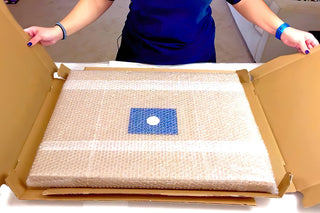
STEP 2 - SHIPPING
We ship your order. We send you an email to track the progress

STEP 3 - DELIVERY
You receive your order. You can also, according to your choice, be delivered to a relay point.
Matte finish
View from behind
Frame (optional)
In the world of art, some works transcend the simple frame of the canvas to evoke deep emotions and reflections on the human condition. "Femme et enfant" by Wilhelm Leibl is one of those creations that capture not only a moment of life but also the very essence of family bonds. This piece, created at the end of the 19th century, perfectly illustrates the ability of art to immortalize moments of tenderness and complicity. The attentive gaze of the mother and the innocence of the child combine to create an atmosphere filled with warmth and gentleness. By contemplating this scene, the viewer is transported into a universe where time seems suspended, where every detail tells a story.
Style and uniqueness of the work
Wilhelm Leibl's style is often associated with realism, a movement that seeks to depict everyday life without embellishment. In "Femme et enfant," this approach is manifested through meticulous attention to the expressions and gestures of the characters. The colors are carefully chosen, creating a harmony that enhances the intimacy of the scene. The play of light and shadow adds striking depth, allowing the viewer to feel the warmth of the family environment. Every brushstroke appears loaded with meaning, and the mother's gaze, both protective and contemplative, evokes reflections on the passage of time and the ephemeral nature of childhood. This work also stands out for its natural setting, which contributes to the authenticity of the representation. Leibl thus manages to combine realism and poetry, offering a touching vision of motherhood.
The artist and his influence
Wilhelm Leibl, an emblematic figure of German realism, knew how to mark his era with his unique approach and artistic sensitivity. Born in 1844, he was influenced by masters such as Courbet and Millet but also developed his own style, characterized by attentive observation of daily life. Leibl often explored themes related to peasantry and family life, seeking to capture the authenticity of human emotions. His influence extends beyond his time, inspiring many artists who sought to represent life in a
12,34 €