
Art print Family of Wolves Hond Canis HofHond Molossus Mtin - Anselmus Botius de Boodt


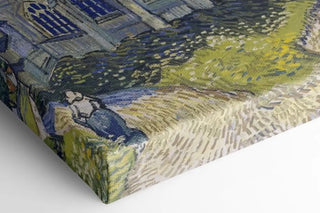
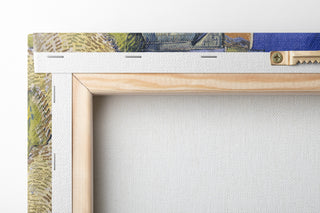
View from behind
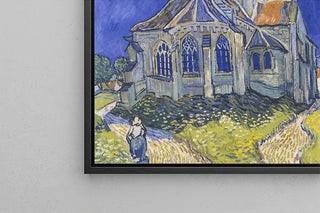
Frame (optional)
Reproduction Famille de loups Hond Canis HofHond Molossus Mtin - Anselmus Botius de Boodt – Engaging introduction
The art print Famille de loups Hond Canis HofHond Molossus Mtin by Anselmus Botius de Boodt immerses us in a universe where nature and art meet with rare intensity. This iconic piece, illustrating the artist's fascination with animals and their depiction, evokes themes of loyalty, survival, and wild beauty. As viewers contemplate this work, they are invited to explore not only the animal world but also the complex relationships that connect it to humans. The wolves, symbols of strength and mystery, are depicted here in a composition that captures their very essence, offering a visual experience that transcends mere observation.
Style and uniqueness of the work
Anselmus Botius de Boodt's style is distinguished by its precision and attention to detail, characteristic of Renaissance naturalist works. In Famille de loups Hond Canis HofHond Molossus Mtin, every hair, every shade of color is carefully rendered, creating an illusion of life that seems almost tangible. This meticulous attention allows viewers to feel the presence of the animals, as if they were at the heart of the scene. Light also plays a crucial role in this piece, highlighting forms and textures while adding a dramatic dimension to the overall composition. This blend of realism and emotion gives the work a depth that invites contemplation and reflection.
The artist and his influence
Anselmus Botius de Boodt, naturalist and artist, masterfully combined his scientific knowledge with his artistic talent, creating works that are not only visual representations but also testimonies to the richness of biodiversity. His innovative approach influenced many contemporary artists, who saw in him a pioneer in animal representation art. De Boodt captured the spirit of his era, when curiosity about the natural world was flourishing. His works helped raise awareness of the beauty and fragility of wildlife, while celebrating the majesty of the creatures that populate our
Art print Family of Wolves Hond Canis HofHond Molossus Mtin - Anselmus Botius de Boodt

-10% FROM €95 IN PURCHASES
-15% FROM €195 IN PURCHASES
Regular price
- Unit price
- per
Free shipping
€4.90 / Free shipping on orders over €39
Satisfied or Money Back
Free returns within 30 days
10-year warranty
Our prints are guaranteed for 10 years
Any questions? We are here!
by email to contact@artemlegrand.com
THE STEPS OF YOUR ORDER

STEP 1 - ORDER PLACED
Your order has been confirmed and we are starting production
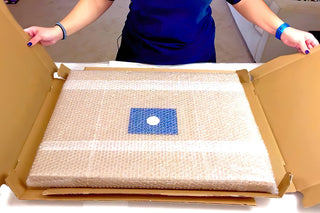
STEP 2 - SHIPPING
We ship your order. We send you an email to track the progress

STEP 3 - DELIVERY
You receive your order. You can also, according to your choice, be delivered to a relay point.
Matte finish
View from behind
Frame (optional)
Reproduction Famille de loups Hond Canis HofHond Molossus Mtin - Anselmus Botius de Boodt – Engaging introduction
The art print Famille de loups Hond Canis HofHond Molossus Mtin by Anselmus Botius de Boodt immerses us in a universe where nature and art meet with rare intensity. This iconic piece, illustrating the artist's fascination with animals and their depiction, evokes themes of loyalty, survival, and wild beauty. As viewers contemplate this work, they are invited to explore not only the animal world but also the complex relationships that connect it to humans. The wolves, symbols of strength and mystery, are depicted here in a composition that captures their very essence, offering a visual experience that transcends mere observation.
Style and uniqueness of the work
Anselmus Botius de Boodt's style is distinguished by its precision and attention to detail, characteristic of Renaissance naturalist works. In Famille de loups Hond Canis HofHond Molossus Mtin, every hair, every shade of color is carefully rendered, creating an illusion of life that seems almost tangible. This meticulous attention allows viewers to feel the presence of the animals, as if they were at the heart of the scene. Light also plays a crucial role in this piece, highlighting forms and textures while adding a dramatic dimension to the overall composition. This blend of realism and emotion gives the work a depth that invites contemplation and reflection.
The artist and his influence
Anselmus Botius de Boodt, naturalist and artist, masterfully combined his scientific knowledge with his artistic talent, creating works that are not only visual representations but also testimonies to the richness of biodiversity. His innovative approach influenced many contemporary artists, who saw in him a pioneer in animal representation art. De Boodt captured the spirit of his era, when curiosity about the natural world was flourishing. His works helped raise awareness of the beauty and fragility of wildlife, while celebrating the majesty of the creatures that populate our