
Portrait painting of William Paul 1673-1711 of Bray Berkshire with his dog and a gun - John Closterman | Art print


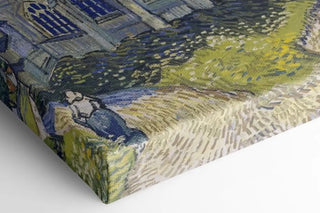
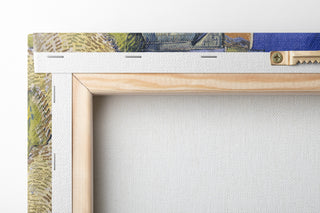
View from behind
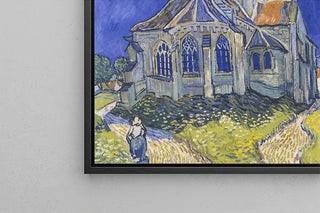
Frame (optional)
Portrait of William Paul 1673-1711 of Bray Berkshire with his dog and a gun - John Closterman – Captivating Introduction
In the vibrant world of baroque art, the portrait of William Paul, created by John Closterman, stands out for its intensity and depth. This painting, which captures not only the essence of a man but also the intimate relationship he shares with his loyal four-legged companion, immerses us in an era where painting was not content with merely depicting figures but sought to reveal stories and emotions. The presence of the dog, a symbol of loyalty and friendship, enriches the visual narration, creating a silent dialogue between man and animal. This portrait transcends the simple frame of an artwork to become a window into the past, inviting viewers to explore the subtleties of a bygone era.
Style and uniqueness of the work
Closterman's style is characterized by a mastery of details and a subtle use of light that brings the characters to life. In this portrait, William Paul's features are rendered with remarkable precision, each shadow and reflection contributing to the creation of a vibrant and realistic image. The richly decorated clothing, typical of 17th-century nobility, testifies to the individual's social stature, while the gun, held confidently, evokes his passions and hunting activities. The composition is carefully balanced, with each element harmonizing with the others to create a coherent and captivating scene. The color palette, both rich and nuanced, enhances the emotional depth of the work, highlighting the nuances of William Paul's personality.
The artist and his influence
John Closterman, a German-born painter, established himself on the English art scene thanks to his undeniable talent and innovative approach. Trained in the workshops of great masters, he assimilated various techniques that allowed him to develop a unique style, combining academic rigor with personal sensitivity. Closterman had the opportunity to work for influential personalities of his time, which contributed to his fame. His influence is still felt today, both in the way he captured psychological nuances and in his artistic approach.
Portrait painting of William Paul 1673-1711 of Bray Berkshire with his dog and a gun - John Closterman | Art print

-10% FROM €95 IN PURCHASES
-15% FROM €195 IN PURCHASES
Regular price
- Unit price
- per
Tax included.
Free shipping
€4.90 / Free shipping on orders over €39
Satisfied or Money Back
Free returns within 30 days
10-year warranty
Our prints are guaranteed for 10 years
Any questions? We are here!
by email to contact@artemlegrand.com
THE STEPS OF YOUR ORDER

STEP 1 - ORDER PLACED
Your order has been confirmed and we are starting production
STEP 2 - SHIPPING
We ship your order. We send you an email to track the progress

STEP 3 - DELIVERY
You receive your order. You can also, according to your choice, be delivered to a relay point.
Matte finish
View from behind
Frame (optional)
Portrait of William Paul 1673-1711 of Bray Berkshire with his dog and a gun - John Closterman – Captivating Introduction
In the vibrant world of baroque art, the portrait of William Paul, created by John Closterman, stands out for its intensity and depth. This painting, which captures not only the essence of a man but also the intimate relationship he shares with his loyal four-legged companion, immerses us in an era where painting was not content with merely depicting figures but sought to reveal stories and emotions. The presence of the dog, a symbol of loyalty and friendship, enriches the visual narration, creating a silent dialogue between man and animal. This portrait transcends the simple frame of an artwork to become a window into the past, inviting viewers to explore the subtleties of a bygone era.
Style and uniqueness of the work
Closterman's style is characterized by a mastery of details and a subtle use of light that brings the characters to life. In this portrait, William Paul's features are rendered with remarkable precision, each shadow and reflection contributing to the creation of a vibrant and realistic image. The richly decorated clothing, typical of 17th-century nobility, testifies to the individual's social stature, while the gun, held confidently, evokes his passions and hunting activities. The composition is carefully balanced, with each element harmonizing with the others to create a coherent and captivating scene. The color palette, both rich and nuanced, enhances the emotional depth of the work, highlighting the nuances of William Paul's personality.
The artist and his influence
John Closterman, a German-born painter, established himself on the English art scene thanks to his undeniable talent and innovative approach. Trained in the workshops of great masters, he assimilated various techniques that allowed him to develop a unique style, combining academic rigor with personal sensitivity. Closterman had the opportunity to work for influential personalities of his time, which contributed to his fame. His influence is still felt today, both in the way he captured psychological nuances and in his artistic approach.
12,34 €