
Art print Wildemanskruid Pulsatilla vulgaris Keucken Kruijd apium risus pulsatilla Coquelourdes - Anselmus Botius de Boodt


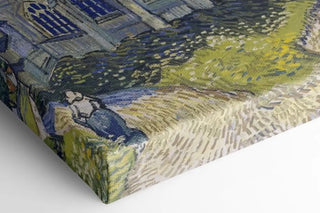
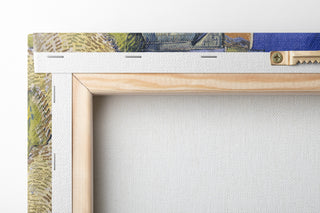
View from behind
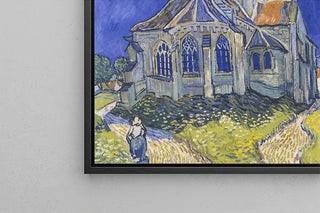
Frame (optional)
In the vast panorama of art history, certain works stand out for their ability to capture the very essence of nature. The art print of Wildemanskruid Pulsatilla vulgaris Keucken Kruijd apium risus pulsatilla Coquelourdes by Anselmus Botius de Boodt is one of those creations that, through its delicacy and attention to detail, invites the viewer to immerse themselves in a world where botany and art intersect. This piece, both scientific and artistic, reflects an era when the study of plants was intimately connected to aesthetic exploration, offering a window into the concerns and passions of the Renaissance.
Style and uniqueness of the work
Anselmus Botius de Boodt's work is distinguished by its meticulous precision and naturalistic approach. Every petal, every stem is depicted with fidelity that demonstrates attentive observation and a deep respect for nature. The choice of colors, both vivid and subtle, creates a visual harmony that draws the eye and encourages contemplation. The composition is carefully balanced, with each element arranged to foster a dialogue between the different parts of the plant. This attention to detail extends beyond the visual aspect to the symbolism of the plants. In this work, Pulsatilla vulgaris, often associated with themes of rebirth and resilience, becomes a symbol of ephemeral beauty, a reminder of life's fragility.
The artist and his influence
Anselmus Botius de Boodt is an emblematic figure of the Flemish Renaissance, an artist whose work transcends the boundaries between art and science. As a botanist and painter, he masterfully combined his two passions to create works that are not only visual representations but also valuable scientific documents. His contribution to botany is as significant as his artistic legacy, and his influence is felt both in academic circles and in art salons. De Boodt paved the way for a new approach
Art print Wildemanskruid Pulsatilla vulgaris Keucken Kruijd apium risus pulsatilla Coquelourdes - Anselmus Botius de Boodt

-10% FROM €95 IN PURCHASES
-15% FROM €195 IN PURCHASES
Regular price
- Unit price
- per
Free shipping
€4.90 / Free shipping on orders over €39
Satisfied or Money Back
Free returns within 30 days
10-year warranty
Our prints are guaranteed for 10 years
Any questions? We are here!
by email to contact@artemlegrand.com
THE STEPS OF YOUR ORDER

STEP 1 - ORDER PLACED
Your order has been confirmed and we are starting production
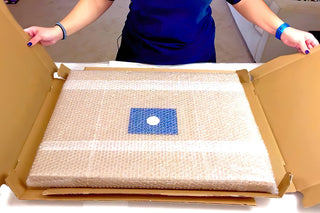
STEP 2 - SHIPPING
We ship your order. We send you an email to track the progress

STEP 3 - DELIVERY
You receive your order. You can also, according to your choice, be delivered to a relay point.
Matte finish
View from behind
Frame (optional)
In the vast panorama of art history, certain works stand out for their ability to capture the very essence of nature. The art print of Wildemanskruid Pulsatilla vulgaris Keucken Kruijd apium risus pulsatilla Coquelourdes by Anselmus Botius de Boodt is one of those creations that, through its delicacy and attention to detail, invites the viewer to immerse themselves in a world where botany and art intersect. This piece, both scientific and artistic, reflects an era when the study of plants was intimately connected to aesthetic exploration, offering a window into the concerns and passions of the Renaissance.
Style and uniqueness of the work
Anselmus Botius de Boodt's work is distinguished by its meticulous precision and naturalistic approach. Every petal, every stem is depicted with fidelity that demonstrates attentive observation and a deep respect for nature. The choice of colors, both vivid and subtle, creates a visual harmony that draws the eye and encourages contemplation. The composition is carefully balanced, with each element arranged to foster a dialogue between the different parts of the plant. This attention to detail extends beyond the visual aspect to the symbolism of the plants. In this work, Pulsatilla vulgaris, often associated with themes of rebirth and resilience, becomes a symbol of ephemeral beauty, a reminder of life's fragility.
The artist and his influence
Anselmus Botius de Boodt is an emblematic figure of the Flemish Renaissance, an artist whose work transcends the boundaries between art and science. As a botanist and painter, he masterfully combined his two passions to create works that are not only visual representations but also valuable scientific documents. His contribution to botany is as significant as his artistic legacy, and his influence is felt both in academic circles and in art salons. De Boodt paved the way for a new approach