
Painting Rosa bifera alba - Pierre Joseph Redouté | Art print


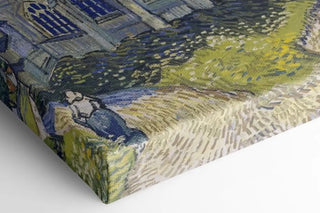
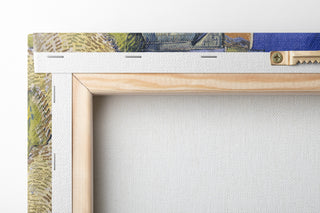
View from behind
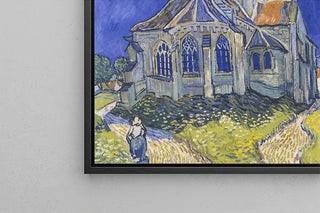
Frame (optional)
In the world of floral art, few works manage to capture the ephemeral beauty of flowers with as much delicacy as "Rosa bifera alba" by Pierre Joseph Redouté. This painting, emblematic of the naturalist movement, offers a fascinating glimpse into blooming, while revealing the artist's passion for botany. Contemplating this piece, the viewer is transported to a lush garden where nature flourishes in all its splendor. Redouté, often nicknamed the "Raphael of flowers," succeeds in immortalizing a rose of dazzling whiteness, symbolizing purity and timeless beauty.
Style and uniqueness of the work
Redouté's style is distinguished by its meticulous precision and keen sense of detail. "Rosa bifera alba" is no exception. The composition highlights the rose in all its glory, revealing its delicate, almost translucent petals, as well as the richness of its texture. The artist uses a palette of soft colors, where the pure white of the flower harmonizes with shades of green, evoking the freshness of a spring morning. This painting does not merely depict a rose; it tells a story, that of a nature observed with love and respect. Each brushstroke seems to breathe new life into the flower, celebrating the fleeting beauty of flora.
The artist and his influence
Pierre Joseph Redouté, born in 1759 in Saint-Hubert, Belgium, is recognized as one of the greatest botanical painters of his time. His work had a significant impact on the genre of floral painting, inspiring many artists and scientists. As an illustrator for botanical works, he mastered the art and science, making botany accessible and appealing to a broad audience. Redouté was also a court portraitist, which allowed him to mingle with the elite of his era and disseminate his creations across Europe. His meticulous approach and dedication to faithful representation of plants left an indelible mark in art history, making him an essential figure of the 18th century.
Painting Rosa bifera alba - Pierre Joseph Redouté | Art print

-10% FROM €95 IN PURCHASES
-15% FROM €195 IN PURCHASES
Regular price
- Unit price
- per
Tax included.
Free shipping
€4.90 / Free shipping on orders over €39
Satisfied or Money Back
Free returns within 30 days
10-year warranty
Our prints are guaranteed for 10 years
Any questions? We are here!
by email to contact@artemlegrand.com
THE STEPS OF YOUR ORDER

STEP 1 - ORDER PLACED
Your order has been confirmed and we are starting production
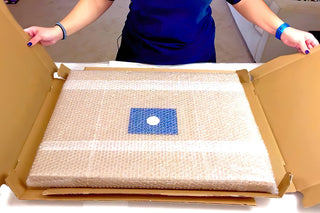
STEP 2 - SHIPPING
We ship your order. We send you an email to track the progress

STEP 3 - DELIVERY
You receive your order. You can also, according to your choice, be delivered to a relay point.
Matte finish
View from behind
Frame (optional)
In the world of floral art, few works manage to capture the ephemeral beauty of flowers with as much delicacy as "Rosa bifera alba" by Pierre Joseph Redouté. This painting, emblematic of the naturalist movement, offers a fascinating glimpse into blooming, while revealing the artist's passion for botany. Contemplating this piece, the viewer is transported to a lush garden where nature flourishes in all its splendor. Redouté, often nicknamed the "Raphael of flowers," succeeds in immortalizing a rose of dazzling whiteness, symbolizing purity and timeless beauty.
Style and uniqueness of the work
Redouté's style is distinguished by its meticulous precision and keen sense of detail. "Rosa bifera alba" is no exception. The composition highlights the rose in all its glory, revealing its delicate, almost translucent petals, as well as the richness of its texture. The artist uses a palette of soft colors, where the pure white of the flower harmonizes with shades of green, evoking the freshness of a spring morning. This painting does not merely depict a rose; it tells a story, that of a nature observed with love and respect. Each brushstroke seems to breathe new life into the flower, celebrating the fleeting beauty of flora.
The artist and his influence
Pierre Joseph Redouté, born in 1759 in Saint-Hubert, Belgium, is recognized as one of the greatest botanical painters of his time. His work had a significant impact on the genre of floral painting, inspiring many artists and scientists. As an illustrator for botanical works, he mastered the art and science, making botany accessible and appealing to a broad audience. Redouté was also a court portraitist, which allowed him to mingle with the elite of his era and disseminate his creations across Europe. His meticulous approach and dedication to faithful representation of plants left an indelible mark in art history, making him an essential figure of the 18th century.
12,34 €