
Art print of Poolvos Vulpes lagopus Witten Vos Vulpes Alba Renard blanc de Laponie - Anselmus Botius de Boodt


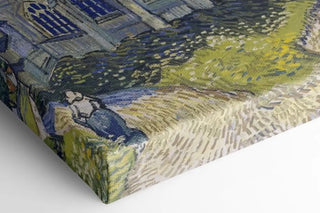
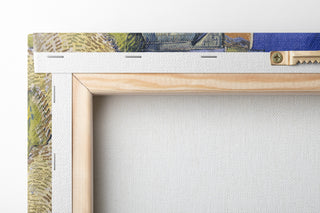
View from behind
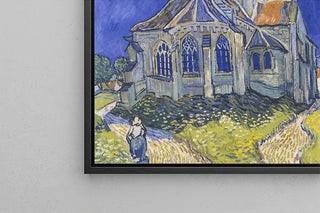
Frame (optional)
In the vast panorama of art history, certain works stand out for their ability to capture the very essence of nature. The art print of Poolvos Vulpes lagopus Witten Vos Vulpes Alba Renard blanc de Laponie by Anselmus Botius de Boodt is a perfect example. This piece, created in the early 17th century, reflects an era when meticulous observation of the animal world was both a source of fascination and a means to explore the mysteries of wild life. The white fox, emblem of Lapland, is depicted here with a precision that borders on hyperrealism, inviting viewers to contemplate the fragile beauty of this animal in its natural habitat. The composition, both simple and powerful, immerses us in a universe where nature and art meet, creating a visual harmony that cannot leave one indifferent.
Style and uniqueness of the work
Anselmus Botius de Boodt's work is distinguished by its meticulous and detailed approach. Every hair of the fox, every shade of color, is rendered with such finesse that one could almost feel the texture of its fur. Light plays a crucial role in this representation, highlighting the contours of the fox's body and creating a play of shadows that enhances its realism. De Boodt does not merely depict an animal; he evokes a moment, an atmosphere, a deep connection between man and nature. The color palette, dominated by cool tones, evokes the frozen landscapes of Lapland, while the posture of the fox, both majestic and vulnerable, draws attention and stirs emotion. This work is not limited to a simple illustration; it becomes a true visual narrative, an invitation to contemplation and reflection on our relationship with wild fauna.
The artist and his influence
Anselmus Botius de Boodt, naturalist and artist, is often regarded as one of the pioneers of animal representation in art. His work is set within a context where
Art print of Poolvos Vulpes lagopus Witten Vos Vulpes Alba Renard blanc de Laponie - Anselmus Botius de Boodt

-10% FROM €95 IN PURCHASES
-15% FROM €195 IN PURCHASES
Regular price
- Unit price
- per
Free shipping
€4.90 / Free shipping on orders over €39
Satisfied or Money Back
Free returns within 30 days
10-year warranty
Our prints are guaranteed for 10 years
Any questions? We are here!
by email to contact@artemlegrand.com
THE STEPS OF YOUR ORDER

STEP 1 - ORDER PLACED
Your order has been confirmed and we are starting production
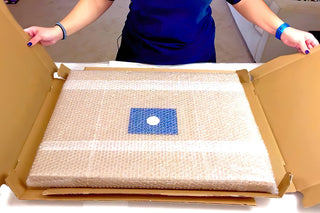
STEP 2 - SHIPPING
We ship your order. We send you an email to track the progress

STEP 3 - DELIVERY
You receive your order. You can also, according to your choice, be delivered to a relay point.
Matte finish
View from behind
Frame (optional)
In the vast panorama of art history, certain works stand out for their ability to capture the very essence of nature. The art print of Poolvos Vulpes lagopus Witten Vos Vulpes Alba Renard blanc de Laponie by Anselmus Botius de Boodt is a perfect example. This piece, created in the early 17th century, reflects an era when meticulous observation of the animal world was both a source of fascination and a means to explore the mysteries of wild life. The white fox, emblem of Lapland, is depicted here with a precision that borders on hyperrealism, inviting viewers to contemplate the fragile beauty of this animal in its natural habitat. The composition, both simple and powerful, immerses us in a universe where nature and art meet, creating a visual harmony that cannot leave one indifferent.
Style and uniqueness of the work
Anselmus Botius de Boodt's work is distinguished by its meticulous and detailed approach. Every hair of the fox, every shade of color, is rendered with such finesse that one could almost feel the texture of its fur. Light plays a crucial role in this representation, highlighting the contours of the fox's body and creating a play of shadows that enhances its realism. De Boodt does not merely depict an animal; he evokes a moment, an atmosphere, a deep connection between man and nature. The color palette, dominated by cool tones, evokes the frozen landscapes of Lapland, while the posture of the fox, both majestic and vulnerable, draws attention and stirs emotion. This work is not limited to a simple illustration; it becomes a true visual narrative, an invitation to contemplation and reflection on our relationship with wild fauna.
The artist and his influence
Anselmus Botius de Boodt, naturalist and artist, is often regarded as one of the pioneers of animal representation in art. His work is set within a context where