
White Buttercup Painting Ranunculus aconitifolius Veldt Ranunculus Ranunculus palustris Bruijere's Buttercup - Anselmus Botius de Boodt | Art print


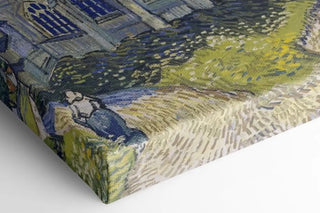
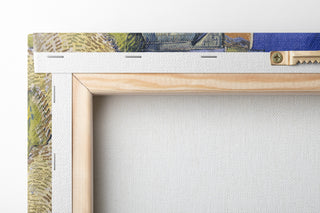
View from behind
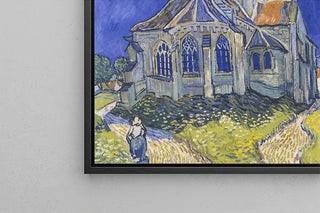
Frame (optional)
In the vast panorama of art history, some works stand out for their ability to capture the very essence of nature. The art print of the white Ranunculus, created by Anselmus Botius de Boodt, is a perfect example of this quest for harmony between art and the natural world. This piece, both delicate and vibrant, evokes the ephemeral beauty of flowers while demonstrating a deep botanical knowledge. Immersing ourselves in this floral universe, the artwork invites us to contemplate the fragility and splendor of life, reminding us that every detail matters in the grand tapestry of existence.
Style and uniqueness of the work
The white Ranunculus is distinguished by its striking realism and botanical accuracy. De Boodt, as a painter and botanist, masterfully combined his two passions to offer a representation of rare fidelity. The petals, with their dazzling whiteness, seem almost tangible, while the shades of green in the leaves and stems add depth to the composition. The artist employs a subtle palette, playing with light to create delicate shadows that bring the flower to life. This style, both scientific and artistic, reflects the concerns of his era, when the observation of nature became a true art form. The way he captures the details of floral organs, textures, and reflections demonstrates a meticulousness that transcends mere decoration to touch upon the very essence of botany.
The artist and his influence
Anselmus Botius de Boodt, an emblematic figure of the 17th century, is often regarded as a pioneer of botanical painting. His training in medicine and botany allowed him to merge science and art, offering a new perspective on the natural world. De Boodt influenced many artists of his time, as well as future generations, by establishing an indissoluble link between art and science. His works, often commissioned by aristocrats and collectors, testify to a
White Buttercup Painting Ranunculus aconitifolius Veldt Ranunculus Ranunculus palustris Bruijere's Buttercup - Anselmus Botius de Boodt | Art print

-10% FROM €95 IN PURCHASES
-15% FROM €195 IN PURCHASES
Regular price
- Unit price
- per
Free shipping
€4.90 / Free shipping on orders over €39
Satisfied or Money Back
Free returns within 30 days
10-year warranty
Our prints are guaranteed for 10 years
Any questions? We are here!
by email to contact@artemlegrand.com
THE STEPS OF YOUR ORDER

STEP 1 - ORDER PLACED
Your order has been confirmed and we are starting production
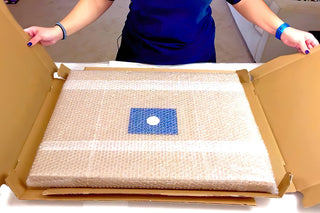
STEP 2 - SHIPPING
We ship your order. We send you an email to track the progress

STEP 3 - DELIVERY
You receive your order. You can also, according to your choice, be delivered to a relay point.
Matte finish
View from behind
Frame (optional)
In the vast panorama of art history, some works stand out for their ability to capture the very essence of nature. The art print of the white Ranunculus, created by Anselmus Botius de Boodt, is a perfect example of this quest for harmony between art and the natural world. This piece, both delicate and vibrant, evokes the ephemeral beauty of flowers while demonstrating a deep botanical knowledge. Immersing ourselves in this floral universe, the artwork invites us to contemplate the fragility and splendor of life, reminding us that every detail matters in the grand tapestry of existence.
Style and uniqueness of the work
The white Ranunculus is distinguished by its striking realism and botanical accuracy. De Boodt, as a painter and botanist, masterfully combined his two passions to offer a representation of rare fidelity. The petals, with their dazzling whiteness, seem almost tangible, while the shades of green in the leaves and stems add depth to the composition. The artist employs a subtle palette, playing with light to create delicate shadows that bring the flower to life. This style, both scientific and artistic, reflects the concerns of his era, when the observation of nature became a true art form. The way he captures the details of floral organs, textures, and reflections demonstrates a meticulousness that transcends mere decoration to touch upon the very essence of botany.
The artist and his influence
Anselmus Botius de Boodt, an emblematic figure of the 17th century, is often regarded as a pioneer of botanical painting. His training in medicine and botany allowed him to merge science and art, offering a new perspective on the natural world. De Boodt influenced many artists of his time, as well as future generations, by establishing an indissoluble link between art and science. His works, often commissioned by aristocrats and collectors, testify to a