
Wernerus Kühne 1725-88 Notary of Haarlem with his clerk Jan Bosch - Wybrand Hendriks | Art print


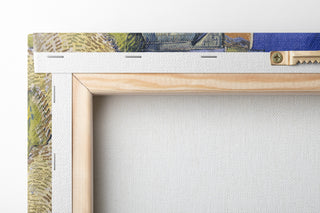
View from behind
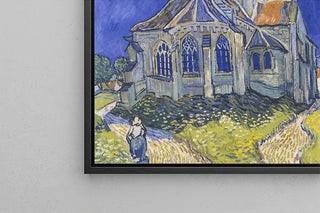
Frame (optional)
Wernerus Kühne 1725-88 Notaire de Haarlem with his clerk Jan Bosch - Wybrand Hendriks – Captivating introduction
In the rich landscape of 18th-century Dutch art, Wybrand Hendriks' work, "Wernerus Kühne 1725-88 Notaire de Haarlem with his clerk Jan Bosch," stands out for its atmosphere filled with meaning and detail. This representation, which transcends a simple portrait, immerses us in a frozen moment where authority and complicity intertwine. The scene, illustrating the administrative and legal functions of the time, invites viewers to reflect on the social and professional relationships that defined daily life in Haarlem. Contemplating this piece, one cannot help but feel a connection to the past, an invitation to explore the subtleties of human interaction through the lens of time.
Style and uniqueness of the work
Wybrand Hendriks' style is characterized by meticulous attention to detail and skillful use of light and shadow. Every element of the composition, from richly textured clothing to the expressions of the characters, is carefully studied to convey an atmosphere of dignity and respect. The color palette, soft and nuanced, helps create an intimate, almost tangible ambiance. Hendriks manages to capture not only the physical appearance of his subjects but also their essence, social status, and role within society. The work goes beyond a simple portrait to become a visual testimony of the era, revealing the codes and values that prevailed in the legal and administrative circles of his time.
The artist and his influence
Wybrand Hendriks, a Dutch artist of the 18th century, established himself in the art world thanks to his exceptional talent and ability to depict daily life with striking accuracy. Trained in a rich artistic environment, he was influenced by the masters of the previous century while developing a style that is uniquely his own. His works, often focused on portrait and genre themes, demonstrate a deep understanding of human psychology. Hendriks was able to capture the essence of his contemporaries, placing them at the heart of compositions that tell stories. His influence
Wernerus Kühne 1725-88 Notary of Haarlem with his clerk Jan Bosch - Wybrand Hendriks | Art print

-10% FROM €95 IN PURCHASES
-15% FROM €195 IN PURCHASES
Regular price
- Unit price
- per
Tax included.
Free shipping
€4.90 / Free shipping on orders over €39
Satisfied or Money Back
Free returns within 30 days
10-year warranty
Our prints are guaranteed for 10 years
Any questions? We are here!
by email to contact@artemlegrand.com
THE STEPS OF YOUR ORDER

STEP 1 - ORDER PLACED
Your order has been confirmed and we are starting production
STEP 2 - SHIPPING
We ship your order. We send you an email to track the progress

STEP 3 - DELIVERY
You receive your order. You can also, according to your choice, be delivered to a relay point.
Matte finish
View from behind
Frame (optional)
Wernerus Kühne 1725-88 Notaire de Haarlem with his clerk Jan Bosch - Wybrand Hendriks – Captivating introduction
In the rich landscape of 18th-century Dutch art, Wybrand Hendriks' work, "Wernerus Kühne 1725-88 Notaire de Haarlem with his clerk Jan Bosch," stands out for its atmosphere filled with meaning and detail. This representation, which transcends a simple portrait, immerses us in a frozen moment where authority and complicity intertwine. The scene, illustrating the administrative and legal functions of the time, invites viewers to reflect on the social and professional relationships that defined daily life in Haarlem. Contemplating this piece, one cannot help but feel a connection to the past, an invitation to explore the subtleties of human interaction through the lens of time.
Style and uniqueness of the work
Wybrand Hendriks' style is characterized by meticulous attention to detail and skillful use of light and shadow. Every element of the composition, from richly textured clothing to the expressions of the characters, is carefully studied to convey an atmosphere of dignity and respect. The color palette, soft and nuanced, helps create an intimate, almost tangible ambiance. Hendriks manages to capture not only the physical appearance of his subjects but also their essence, social status, and role within society. The work goes beyond a simple portrait to become a visual testimony of the era, revealing the codes and values that prevailed in the legal and administrative circles of his time.
The artist and his influence
Wybrand Hendriks, a Dutch artist of the 18th century, established himself in the art world thanks to his exceptional talent and ability to depict daily life with striking accuracy. Trained in a rich artistic environment, he was influenced by the masters of the previous century while developing a style that is uniquely his own. His works, often focused on portrait and genre themes, demonstrate a deep understanding of human psychology. Hendriks was able to capture the essence of his contemporaries, placing them at the heart of compositions that tell stories. His influence
12,34 €