
Art print Guêpe ichneumon tripilis pennsylvanien Rhus glabrum Panicula speciosa crimson - Mark Catesby | Art print


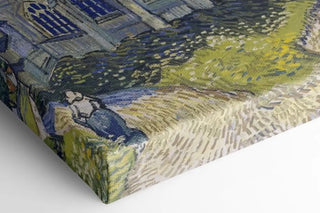
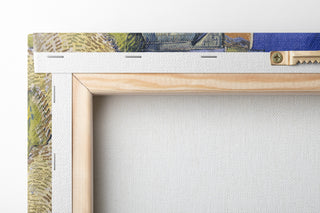
View from behind
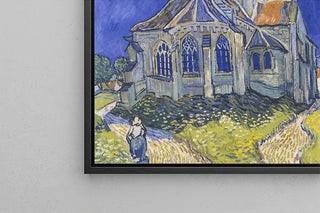
Frame (optional)
In the vibrant world of 18th-century botanical art, the artwork "Guêpe ichneumon tripilis pennsylvanien Rhus glabrum Panicula speciosa crimson" by Mark Catesby stands out for its meticulous approach and its ability to capture the fleeting beauty of nature. Catesby, a British naturalist and illustrator, masterfully combined science and aesthetics in his representations, offering an unprecedented perspective on American fauna and flora. This art print, faithful to the original, invites viewers to immerse themselves in a world where every detail, every color, tells a story. Through this piece, the viewer is transported on a visual journey that celebrates the diversity and complexity of nature.
Style and uniqueness of the work
Catesby's work is characterized by striking realism, where each element is rendered with almost scientific precision. The ichneumon wasp, emblematic of its time, is depicted with particular attention to its delicate forms and nuanced colors. The composition, both dynamic and balanced, highlights the interaction between the insect and its environment, here symbolized by Rhus glabrum and Panicula speciosa. This choice of vegetation, paired with the wasp, creates a rich visual dialogue, where nature unfolds in all its splendor. The contrasts of colors, notably the deep red of Panicula, enhance the delicacy of the insect, demonstrating an exceptional mastery of the chromatic palette. This artwork is not merely a simple representation; it evokes an atmosphere, a sense of vibrant life that transcends time.
The artist and his influence
Mark Catesby, often regarded as the father of botanical illustration in America, played a fundamental role in documenting plant and animal species of the New World. His journeys through South Carolina and Florida allowed him to discover a rich and diverse ecosystem, which he transcribed with a unique artistic sensitivity. Catesby did not merely observe; he sought to...
Art print Guêpe ichneumon tripilis pennsylvanien Rhus glabrum Panicula speciosa crimson - Mark Catesby | Art print

-10% FROM €95 IN PURCHASES
-15% FROM €195 IN PURCHASES
Regular price
- Unit price
- per
Tax included.
Free shipping
€4.90 / Free shipping on orders over €39
Satisfied or Money Back
Free returns within 30 days
10-year warranty
Our prints are guaranteed for 10 years
Any questions? We are here!
by email to contact@artemlegrand.com
THE STEPS OF YOUR ORDER

STEP 1 - ORDER PLACED
Your order has been confirmed and we are starting production
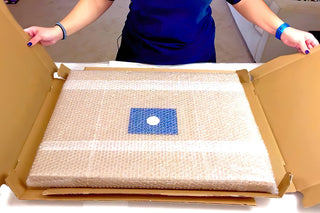
STEP 2 - SHIPPING
We ship your order. We send you an email to track the progress

STEP 3 - DELIVERY
You receive your order. You can also, according to your choice, be delivered to a relay point.
Matte finish
View from behind
Frame (optional)
In the vibrant world of 18th-century botanical art, the artwork "Guêpe ichneumon tripilis pennsylvanien Rhus glabrum Panicula speciosa crimson" by Mark Catesby stands out for its meticulous approach and its ability to capture the fleeting beauty of nature. Catesby, a British naturalist and illustrator, masterfully combined science and aesthetics in his representations, offering an unprecedented perspective on American fauna and flora. This art print, faithful to the original, invites viewers to immerse themselves in a world where every detail, every color, tells a story. Through this piece, the viewer is transported on a visual journey that celebrates the diversity and complexity of nature.
Style and uniqueness of the work
Catesby's work is characterized by striking realism, where each element is rendered with almost scientific precision. The ichneumon wasp, emblematic of its time, is depicted with particular attention to its delicate forms and nuanced colors. The composition, both dynamic and balanced, highlights the interaction between the insect and its environment, here symbolized by Rhus glabrum and Panicula speciosa. This choice of vegetation, paired with the wasp, creates a rich visual dialogue, where nature unfolds in all its splendor. The contrasts of colors, notably the deep red of Panicula, enhance the delicacy of the insect, demonstrating an exceptional mastery of the chromatic palette. This artwork is not merely a simple representation; it evokes an atmosphere, a sense of vibrant life that transcends time.
The artist and his influence
Mark Catesby, often regarded as the father of botanical illustration in America, played a fundamental role in documenting plant and animal species of the New World. His journeys through South Carolina and Florida allowed him to discover a rich and diverse ecosystem, which he transcribed with a unique artistic sensitivity. Catesby did not merely observe; he sought to...
12,34 €