
Virgin and Child Painting - Quentin Massys | Art print


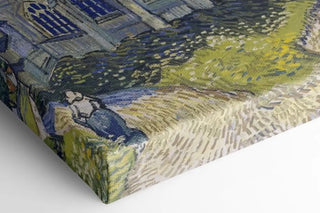
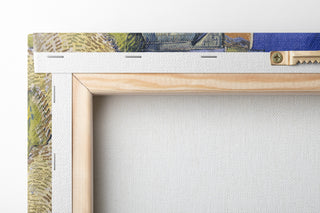
View from behind
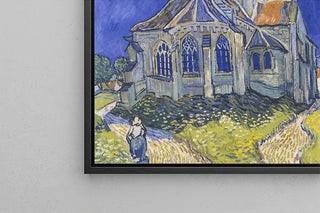
Frame (optional)
Introduction captivante
The "Virgin and Child" by Quentin Massys is an iconic work of Flemish Renaissance art, where tenderness and softness are beautifully captured. This painting, depicting the Virgin Mary holding her son Jesus, transcends a simple religious portrait to become a true celebration of motherhood and unconditional love. Immersing oneself in this piece, the viewer is transported to a universe where spirituality and humanity meet, inviting deep and emotional contemplation. Massys's technical mastery, combined with a delicate color palette, gives this representation a serene yet vibrant atmosphere, making it a must-have in art history.
Style and uniqueness of the work
Quentin Massys's style is distinguished by its striking realism and meticulous attention to detail. In the "Virgin and Child," each element is carefully designed to create visual harmony. The facial expressions, imbued with tenderness, reveal a palpable intimacy between mother and child. The drapery of the clothing, rendered with remarkable precision, adds a tactile dimension to the composition. The light, gently caressing the faces, emphasizes the volumes and creates a warm atmosphere. Massys manages to combine impeccable technique with authentic emotion, making the work not only beautiful but also deeply moving. This ability to capture the very essence of the characters is what gives this painting its unique character.
The artist and his influence
Quentin Massys, born in Antwerp around 1466, is one of the masters of Flemish painting. Trained in the shadow of the Van Eyck school, he developed a personal style that marries technical rigor with humanist sensitivity. His influence extends beyond his era, inspiring many contemporary and later artists. By incorporating elements of daily life into his religious works, Massys helped make spirituality more accessible and relatable. His ability to humanize sacred figures paved the way for a new approach to religious painting, where emotion and human experience take precedence.
Virgin and Child Painting - Quentin Massys | Art print

-10% FROM €95 IN PURCHASES
-15% FROM €195 IN PURCHASES
Regular price
- Unit price
- per
Tax included.
Free shipping
€4.90 / Free shipping on orders over €39
Satisfied or Money Back
Free returns within 30 days
10-year warranty
Our prints are guaranteed for 10 years
Any questions? We are here!
by email to contact@artemlegrand.com
THE STEPS OF YOUR ORDER

STEP 1 - ORDER PLACED
Your order has been confirmed and we are starting production
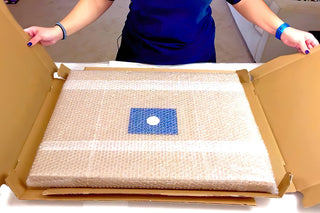
STEP 2 - SHIPPING
We ship your order. We send you an email to track the progress

STEP 3 - DELIVERY
You receive your order. You can also, according to your choice, be delivered to a relay point.
Matte finish
View from behind
Frame (optional)
Introduction captivante
The "Virgin and Child" by Quentin Massys is an iconic work of Flemish Renaissance art, where tenderness and softness are beautifully captured. This painting, depicting the Virgin Mary holding her son Jesus, transcends a simple religious portrait to become a true celebration of motherhood and unconditional love. Immersing oneself in this piece, the viewer is transported to a universe where spirituality and humanity meet, inviting deep and emotional contemplation. Massys's technical mastery, combined with a delicate color palette, gives this representation a serene yet vibrant atmosphere, making it a must-have in art history.
Style and uniqueness of the work
Quentin Massys's style is distinguished by its striking realism and meticulous attention to detail. In the "Virgin and Child," each element is carefully designed to create visual harmony. The facial expressions, imbued with tenderness, reveal a palpable intimacy between mother and child. The drapery of the clothing, rendered with remarkable precision, adds a tactile dimension to the composition. The light, gently caressing the faces, emphasizes the volumes and creates a warm atmosphere. Massys manages to combine impeccable technique with authentic emotion, making the work not only beautiful but also deeply moving. This ability to capture the very essence of the characters is what gives this painting its unique character.
The artist and his influence
Quentin Massys, born in Antwerp around 1466, is one of the masters of Flemish painting. Trained in the shadow of the Van Eyck school, he developed a personal style that marries technical rigor with humanist sensitivity. His influence extends beyond his era, inspiring many contemporary and later artists. By incorporating elements of daily life into his religious works, Massys helped make spirituality more accessible and relatable. His ability to humanize sacred figures paved the way for a new approach to religious painting, where emotion and human experience take precedence.
12,34 €