
Virgin and Child Painting - Master of Lonigo | Art print


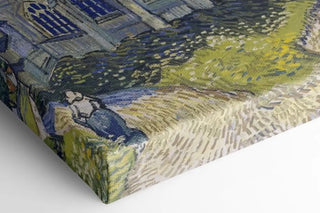
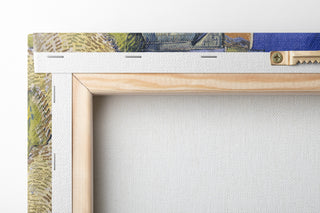
View from behind
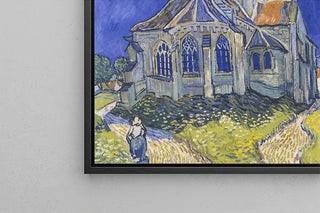
Frame (optional)
Reproduction Vierge à l'Enfant - Maître de Lonigo – Captivating Introduction
The "Vierge à l'Enfant" by the Master of Lonigo is a work that embodies the beauty and tenderness of maternal bonds. This iconic representation of the Virgin Mary and the Infant Jesus evokes deep feelings of devotion and serenity. Throughout the centuries, this piece has touched hearts and inspired souls, making it a centerpiece of religious art. The delicacy of the features, the softness of the expressions, and the richness of the colors that characterize this work make it a true masterpiece of Renaissance painting. Exploring this piece allows one to appreciate not only the artistic technique of its creator but also the spiritual and cultural context of its time.
Style and uniqueness of the work
The style of the Master of Lonigo is distinguished by a subtle harmony between the rigor of composition and the fluidity of forms. The "Vierge à l'Enfant" is characterized by a judicious use of light and shadow, creating a depth effect that brings the figures to life. The drapery of the Virgin's garments, carefully rendered, demonstrates exceptional mastery of pictorial technique. The colors, both soft and vibrant, evoke an atmosphere of peace and comfort. Every element of the composition, from the tender gaze of the Virgin to the delicate gestures of the Infant, contributes to a visual narration that transcends the simple religious portrait. This work invites contemplation, offering a moment of pause and reflection on motherhood and spirituality.
The artist and his influence
The Master of Lonigo, whose identity remains partially enigmatic, is an artist who established himself in the Italian Renaissance artistic landscape. His work is often associated with the Venetian school, where light and color play a predominant role. Influenced by the great masters of his time, he developed a personal style that combines tradition and innovation. His ability to depict human emotions with such authenticity has left a lasting mark on his contemporaries and subsequent generations. Through his works, he contributed to the evolution of religious painting
Virgin and Child Painting - Master of Lonigo | Art print

-10% FROM €95 IN PURCHASES
-15% FROM €195 IN PURCHASES
Regular price
- Unit price
- per
Tax included.
Free shipping
€4.90 / Free shipping on orders over €39
Satisfied or Money Back
Free returns within 30 days
10-year warranty
Our prints are guaranteed for 10 years
Any questions? We are here!
by email to contact@artemlegrand.com
THE STEPS OF YOUR ORDER

STEP 1 - ORDER PLACED
Your order has been confirmed and we are starting production
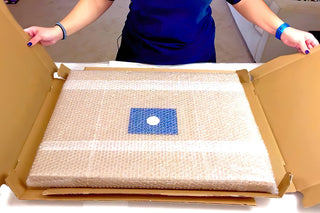
STEP 2 - SHIPPING
We ship your order. We send you an email to track the progress

STEP 3 - DELIVERY
You receive your order. You can also, according to your choice, be delivered to a relay point.
Matte finish
View from behind
Frame (optional)
Reproduction Vierge à l'Enfant - Maître de Lonigo – Captivating Introduction
The "Vierge à l'Enfant" by the Master of Lonigo is a work that embodies the beauty and tenderness of maternal bonds. This iconic representation of the Virgin Mary and the Infant Jesus evokes deep feelings of devotion and serenity. Throughout the centuries, this piece has touched hearts and inspired souls, making it a centerpiece of religious art. The delicacy of the features, the softness of the expressions, and the richness of the colors that characterize this work make it a true masterpiece of Renaissance painting. Exploring this piece allows one to appreciate not only the artistic technique of its creator but also the spiritual and cultural context of its time.
Style and uniqueness of the work
The style of the Master of Lonigo is distinguished by a subtle harmony between the rigor of composition and the fluidity of forms. The "Vierge à l'Enfant" is characterized by a judicious use of light and shadow, creating a depth effect that brings the figures to life. The drapery of the Virgin's garments, carefully rendered, demonstrates exceptional mastery of pictorial technique. The colors, both soft and vibrant, evoke an atmosphere of peace and comfort. Every element of the composition, from the tender gaze of the Virgin to the delicate gestures of the Infant, contributes to a visual narration that transcends the simple religious portrait. This work invites contemplation, offering a moment of pause and reflection on motherhood and spirituality.
The artist and his influence
The Master of Lonigo, whose identity remains partially enigmatic, is an artist who established himself in the Italian Renaissance artistic landscape. His work is often associated with the Venetian school, where light and color play a predominant role. Influenced by the great masters of his time, he developed a personal style that combines tradition and innovation. His ability to depict human emotions with such authenticity has left a lasting mark on his contemporaries and subsequent generations. Through his works, he contributed to the evolution of religious painting
12,34 €