
Art print View of the river - Jacob Willemsz. de Wet | Art print


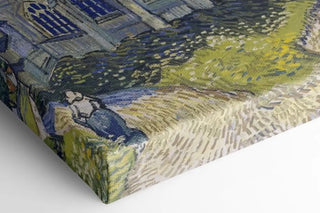
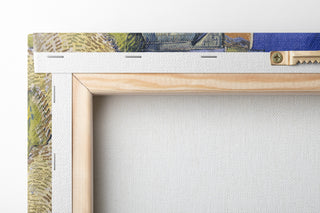
View from behind
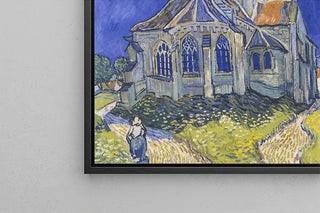
Frame (optional)
In the vast panorama of 17th-century Dutch art, "Vue sur la rivière" by Jacob Willemsz. de Wet stands out for its ability to capture the fleeting beauty of nature. This artwork, imbued with serenity, transports us to the water's edge, where the reflection of trees in the current seems to whisper forgotten stories. The artist, a master of light and shadow, invites us to contemplate a suspended moment in time, where every detail is carefully crafted to evoke an atmosphere of tranquility and contemplation. The scene, both intimate and universal, reminds us of the essential place of nature in our existence.
Style and uniqueness of the work
Jacob Willemsz. de Wet's style is characterized by fine execution and a keen sense of composition. In "Vue sur la rivière," the delicate nuances of color blend harmoniously, creating a palette that evokes the softness of a sunny afternoon. The reflections in the water, treated with remarkable virtuosity, add an almost poetic dimension to the piece. De Wet excels in landscape representation, and here, he manages to capture not only visual beauty but also the very essence of the natural environment. The trees, majestic and full of life, seem to dance with the breeze, while the river meanders gracefully, inviting the viewer to immerse themselves in this idyllic scene. Every element, from the sky to the green banks, is orchestrated with care, creating a visual harmony that transports the observer into a world of peace and beauty.
The artist and his influence
Jacob Willemsz. de Wet, active during the 17th century, is an artist whose impact on Dutch landscape painting is undeniable. Trained in a period when landscape became a genre in its own right, he managed to combine tradition and innovation, inspiring many contemporaries and successors. His approach to light and color, as well as his ability to evoke emotions through landscapes, marked his era. De Wet was influenced by the great masters of his time and, in turn, contributed to shaping
Art print View of the river - Jacob Willemsz. de Wet | Art print

-10% FROM €95 IN PURCHASES
-15% FROM €195 IN PURCHASES
Regular price
- Unit price
- per
Tax included.
Free shipping
€4.90 / Free shipping on orders over €39
Satisfied or Money Back
Free returns within 30 days
10-year warranty
Our prints are guaranteed for 10 years
Any questions? We are here!
by email to contact@artemlegrand.com
THE STEPS OF YOUR ORDER

STEP 1 - ORDER PLACED
Your order has been confirmed and we are starting production
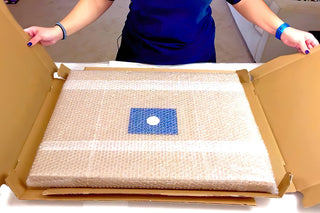
STEP 2 - SHIPPING
We ship your order. We send you an email to track the progress

STEP 3 - DELIVERY
You receive your order. You can also, according to your choice, be delivered to a relay point.
Matte finish
View from behind
Frame (optional)
In the vast panorama of 17th-century Dutch art, "Vue sur la rivière" by Jacob Willemsz. de Wet stands out for its ability to capture the fleeting beauty of nature. This artwork, imbued with serenity, transports us to the water's edge, where the reflection of trees in the current seems to whisper forgotten stories. The artist, a master of light and shadow, invites us to contemplate a suspended moment in time, where every detail is carefully crafted to evoke an atmosphere of tranquility and contemplation. The scene, both intimate and universal, reminds us of the essential place of nature in our existence.
Style and uniqueness of the work
Jacob Willemsz. de Wet's style is characterized by fine execution and a keen sense of composition. In "Vue sur la rivière," the delicate nuances of color blend harmoniously, creating a palette that evokes the softness of a sunny afternoon. The reflections in the water, treated with remarkable virtuosity, add an almost poetic dimension to the piece. De Wet excels in landscape representation, and here, he manages to capture not only visual beauty but also the very essence of the natural environment. The trees, majestic and full of life, seem to dance with the breeze, while the river meanders gracefully, inviting the viewer to immerse themselves in this idyllic scene. Every element, from the sky to the green banks, is orchestrated with care, creating a visual harmony that transports the observer into a world of peace and beauty.
The artist and his influence
Jacob Willemsz. de Wet, active during the 17th century, is an artist whose impact on Dutch landscape painting is undeniable. Trained in a period when landscape became a genre in its own right, he managed to combine tradition and innovation, inspiring many contemporaries and successors. His approach to light and color, as well as his ability to evoke emotions through landscapes, marked his era. De Wet was influenced by the great masters of his time and, in turn, contributed to shaping
12,34 €