
Art print View of the cathedral from the fish fountain - Friedrich Eibner | Art print


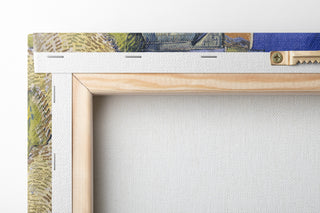
View from behind
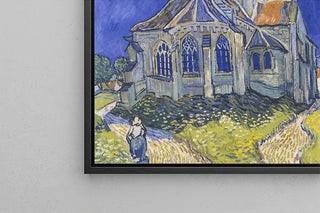
Frame (optional)
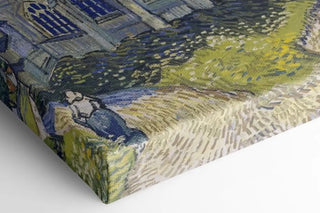
In the vast panorama of art history, certain works stand out for their ability to capture an essence, an atmosphere, a fleeting moment. The "Vue de la cathédrale depuis la fontaine aux poissons" by Friedrich Eibner is one of those creations that transports the viewer on a journey through time and space. Contemplating this piece, one is immediately struck by the serenity emanating from the scene. The juxtaposition of the majestic cathedral and the peaceful fountain of fish evokes a subtle harmony between human architecture and nature. This artwork does not merely depict a landscape; it invites reflection on the beauty of the world around us, while immersing us in a pictorial universe imbued with delicacy.
Style and uniqueness of the work
Eibner's style is characterized by finesse and precision that bring each detail to life. The colors, carefully chosen, blend seamlessly, creating a gentle and soothing atmosphere. Light plays a crucial role in this art print, illuminating the cathedral and giving it an almost mystical aura. The reflections in the fountain’s water add an extra dimension, suggesting movement and fluidity. This painting technique, which combines realism and impressionism, allows the observer to feel a deep connection with the landscape. Eibner manages to capture not only the physical elements but also the emotion that emanates from them, making his art print timeless. The composition, balanced and harmonious, guides the eye across the artwork, inviting a meticulous exploration of every corner of this enchanting panorama.
The artist and his influence
Friedrich Eibner, an emblematic figure of his time, knew how to leave a mark on the art world with his unique approach and personal vision. Influenced by the great masters of the past, he developed a style that is his own, blending tradition and innovation. His work, often focused on urban and natural landscapes, reflects a deep admiration for architecture and nature. Eibner was able to capture the essence of his era while
Art print View of the cathedral from the fish fountain - Friedrich Eibner | Art print

-10% FROM €95 IN PURCHASES
-15% FROM €195 IN PURCHASES
Regular price
- Unit price
- by
Free shipping
€4.90 / Free shipping on orders over €39
Satisfied or Money Back
Free returns within 30 days
10-year warranty
Our prints are guaranteed for 10 years
Any questions? We are here!
by email to contact@artemlegrand.com
THE STEPS OF YOUR ORDER
STEP 1 - ORDER PLACED
Your order has been confirmed and we are starting production
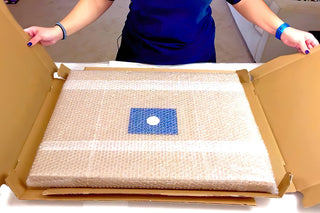
STEP 2 - SHIPPING
We ship your order. We send you an email to track the progress

STEP 3 - DELIVERY
You receive your order. You can also, according to your choice, be delivered to a relay point.
Matte finish
View from behind
Frame (optional)
In the vast panorama of art history, certain works stand out for their ability to capture an essence, an atmosphere, a fleeting moment. The "Vue de la cathédrale depuis la fontaine aux poissons" by Friedrich Eibner is one of those creations that transports the viewer on a journey through time and space. Contemplating this piece, one is immediately struck by the serenity emanating from the scene. The juxtaposition of the majestic cathedral and the peaceful fountain of fish evokes a subtle harmony between human architecture and nature. This artwork does not merely depict a landscape; it invites reflection on the beauty of the world around us, while immersing us in a pictorial universe imbued with delicacy.
Style and uniqueness of the work
Eibner's style is characterized by finesse and precision that bring each detail to life. The colors, carefully chosen, blend seamlessly, creating a gentle and soothing atmosphere. Light plays a crucial role in this art print, illuminating the cathedral and giving it an almost mystical aura. The reflections in the fountain’s water add an extra dimension, suggesting movement and fluidity. This painting technique, which combines realism and impressionism, allows the observer to feel a deep connection with the landscape. Eibner manages to capture not only the physical elements but also the emotion that emanates from them, making his art print timeless. The composition, balanced and harmonious, guides the eye across the artwork, inviting a meticulous exploration of every corner of this enchanting panorama.
The artist and his influence
Friedrich Eibner, an emblematic figure of his time, knew how to leave a mark on the art world with his unique approach and personal vision. Influenced by the great masters of the past, he developed a style that is his own, blending tradition and innovation. His work, often focused on urban and natural landscapes, reflects a deep admiration for architecture and nature. Eibner was able to capture the essence of his era while