
Painting View of the Serpent Bath - Gustave Cariot | Art print


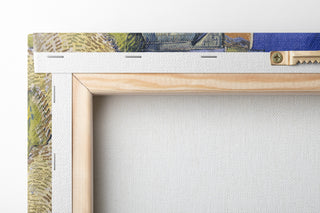
View from behind
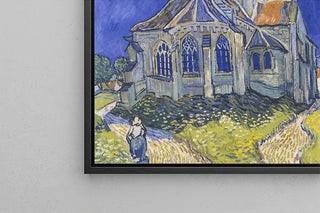
Frame (optional)
Captivating Introduction
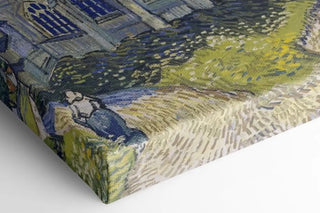
The canvas titled "Vue du bain aux serpents" by Gustave Cariot awakens an insatiable curiosity within us. This artwork, at the crossroads between realism and impressionism, transports the viewer into a fascinating universe where nature and man intertwine. Cariot, a true alchemist of color and light, manages to capture the very essence of a moment frozen in time, where the serenity of the landscape blends with an almost mystical atmosphere. The art print of this iconic piece allows us to rediscover the magic of painting through a contemporary lens, while paying homage to the original.
Style and uniqueness of the work
Gustave Cariot's style is distinguished by his ability to play with nuances and reflections of light. In "Vue du bain aux serpents," a color palette evokes the softness of a summer morning, where the lush greens of the foliage mingle with the golden glints of the sun. Every brushstroke seems to have been applied with poetic precision, creating a subtle movement that brings the scene to life. The serpents, ambivalent symbols of nature, slither between the rocks, adding an intriguing dimension to the work. Cariot succeeds in establishing a dialogue between man and nature, where the apparent tranquility conceals palpable tension, inviting the viewer to contemplate the mysteries of existence.
The artist and his influence
Gustave Cariot, a little-known artist to the general public, nonetheless deserves a prominent place in art history. Trained in the Parisian artistic scene at the end of the 19th century, he drew inspiration from the great masters while developing a personal style that is uniquely his own. His work is set in a period where art was undergoing profound change, between tradition and modernity. Cariot captured the spirit of the times, influencing many contemporary artists. His ability to transcribe human emotions through natural landscapes makes him a precursor of an artistic sensitivity that still resonates today. Rediscovering "Vue du bain aux serpents" reveals how
Painting View of the Serpent Bath - Gustave Cariot | Art print

-10% FROM €95 IN PURCHASES
-15% FROM €195 IN PURCHASES
Regular price
- Unit price
- per
Tax included.
Free shipping
€4.90 / Free shipping on orders over €39
Satisfied or Money Back
Free returns within 30 days
10-year warranty
Our prints are guaranteed for 10 years
Any questions? We are here!
by email to contact@artemlegrand.com
THE STEPS OF YOUR ORDER

STEP 1 - ORDER PLACED
Your order has been confirmed and we are starting production
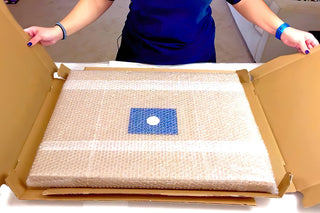
STEP 2 - SHIPPING
We ship your order. We send you an email to track the progress

STEP 3 - DELIVERY
You receive your order. You can also, according to your choice, be delivered to a relay point.
Matte finish
View from behind
Frame (optional)
Captivating Introduction
The canvas titled "Vue du bain aux serpents" by Gustave Cariot awakens an insatiable curiosity within us. This artwork, at the crossroads between realism and impressionism, transports the viewer into a fascinating universe where nature and man intertwine. Cariot, a true alchemist of color and light, manages to capture the very essence of a moment frozen in time, where the serenity of the landscape blends with an almost mystical atmosphere. The art print of this iconic piece allows us to rediscover the magic of painting through a contemporary lens, while paying homage to the original.
Style and uniqueness of the work
Gustave Cariot's style is distinguished by his ability to play with nuances and reflections of light. In "Vue du bain aux serpents," a color palette evokes the softness of a summer morning, where the lush greens of the foliage mingle with the golden glints of the sun. Every brushstroke seems to have been applied with poetic precision, creating a subtle movement that brings the scene to life. The serpents, ambivalent symbols of nature, slither between the rocks, adding an intriguing dimension to the work. Cariot succeeds in establishing a dialogue between man and nature, where the apparent tranquility conceals palpable tension, inviting the viewer to contemplate the mysteries of existence.
The artist and his influence
Gustave Cariot, a little-known artist to the general public, nonetheless deserves a prominent place in art history. Trained in the Parisian artistic scene at the end of the 19th century, he drew inspiration from the great masters while developing a personal style that is uniquely his own. His work is set in a period where art was undergoing profound change, between tradition and modernity. Cariot captured the spirit of the times, influencing many contemporary artists. His ability to transcribe human emotions through natural landscapes makes him a precursor of an artistic sensitivity that still resonates today. Rediscovering "Vue du bain aux serpents" reveals how
12,34 €