
Art print Vue d'un couloir à colonnes dans le temple de Diane à Spalato - Leopold Ernst


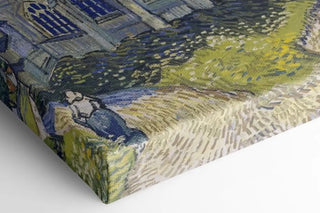
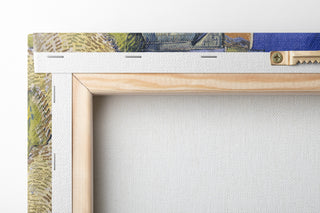
View from behind
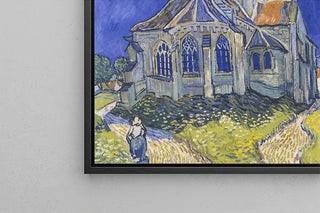
Frame (optional)
In the enchanting setting of European art, the art print Vue d'un couloir à colonnes dans le temple de Diane à Spalato - Leopold Ernst stands out as an iconic piece, captivating the eye and the mind of art enthusiasts. This canvas, evoking the grandeur of ancient temples, transports us on a visual journey through time and space. Exploring this work reveals not only the artist's technical mastery but also an invitation to contemplate the timeless beauty of classical architecture. The light filtering through the columns, the delicate shadows dancing on the walls—all create an atmosphere of serenity and majesty, allowing the viewer to immerse themselves in the fascinating universe of Greece and Rome.
Style and uniqueness of the work
Leopold Ernst's style is distinguished by meticulous attention to detail and a realistic approach. In this piece, each column is rendered with remarkable precision, each shadow and reflection carefully studied to bring the space to life. The color palette chosen by the artist evokes a subtle harmony between warm tones and cool shades, creating a depth that draws the eye. The composition, centered on the majestic corridor, guides the viewer's gaze toward infinity, suggesting a perspective that transcends the simple frame of the canvas. The overall atmosphere exudes calm and contemplation, inviting the viewer to immerse themselves in the depicted space, to feel the shadow of the columns, and to hear the whisper of the past.
The artist and his influence
Leopold Ernst, a painter whose talent captured the essence of classical architecture, marked his era with his unique approach to landscape and architectural painting. Influenced by the great masters of the past, he skillfully integrated elements of tradition while adding his own sensitivity. His ability to depict architecture with such delicacy and respect for proportions testifies to his admiration for ancient civilizations. Through his works, he not only celebrated the beauty of historic monuments but also contributed to the rediscovery of the
Art print Vue d'un couloir à colonnes dans le temple de Diane à Spalato - Leopold Ernst

-10% FROM €95 IN PURCHASES
-15% FROM €195 IN PURCHASES
Regular price
- Unit price
- per
Tax included.
Free shipping
€4.90 / Free shipping on orders over €39
Satisfied or Money Back
Free returns within 30 days
10-year warranty
Our prints are guaranteed for 10 years
Any questions? We are here!
by email to contact@artemlegrand.com
THE STEPS OF YOUR ORDER

STEP 1 - ORDER PLACED
Your order has been confirmed and we are starting production

STEP 2 - SHIPPING
We ship your order. We send you an email to track the progress

STEP 3 - DELIVERY
You receive your order. You can also, according to your choice, be delivered to a relay point.
Matte finish
View from behind
Frame (optional)
In the enchanting setting of European art, the art print Vue d'un couloir à colonnes dans le temple de Diane à Spalato - Leopold Ernst stands out as an iconic piece, captivating the eye and the mind of art enthusiasts. This canvas, evoking the grandeur of ancient temples, transports us on a visual journey through time and space. Exploring this work reveals not only the artist's technical mastery but also an invitation to contemplate the timeless beauty of classical architecture. The light filtering through the columns, the delicate shadows dancing on the walls—all create an atmosphere of serenity and majesty, allowing the viewer to immerse themselves in the fascinating universe of Greece and Rome.
Style and uniqueness of the work
Leopold Ernst's style is distinguished by meticulous attention to detail and a realistic approach. In this piece, each column is rendered with remarkable precision, each shadow and reflection carefully studied to bring the space to life. The color palette chosen by the artist evokes a subtle harmony between warm tones and cool shades, creating a depth that draws the eye. The composition, centered on the majestic corridor, guides the viewer's gaze toward infinity, suggesting a perspective that transcends the simple frame of the canvas. The overall atmosphere exudes calm and contemplation, inviting the viewer to immerse themselves in the depicted space, to feel the shadow of the columns, and to hear the whisper of the past.
The artist and his influence
Leopold Ernst, a painter whose talent captured the essence of classical architecture, marked his era with his unique approach to landscape and architectural painting. Influenced by the great masters of the past, he skillfully integrated elements of tradition while adding his own sensitivity. His ability to depict architecture with such delicacy and respect for proportions testifies to his admiration for ancient civilizations. Through his works, he not only celebrated the beauty of historic monuments but also contributed to the rediscovery of the
12,34 €