
Painting The Vernon Garden - Pierre Bonnard | Art print


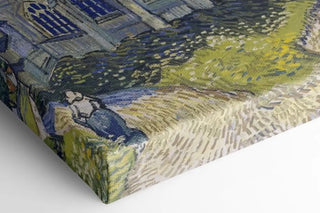
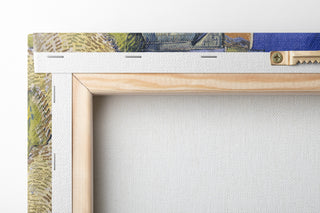
View from behind
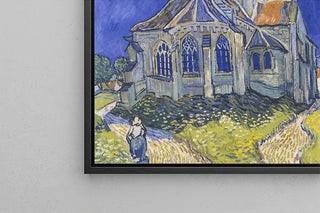
Frame (optional)
In the world of art, certain works transcend time and space, captivating minds with their beauty and depth. "The Garden of Vernon" by Pierre Bonnard is a perfect example. This iconic piece, painted in the early 20th century, invites viewers to immerse themselves in a colorful and luminous universe, where nature reveals itself in all its splendor. The painting, depicting a lush garden, is an ode to life and light, revealing the very soul of the artist through a subtle play of colors and shapes. As you contemplate this artwork, you feel invited to explore the corners of a garden that seems both familiar and mysterious—a sensory experience in its own right.
Style and uniqueness of the work
Bonnard's work is often characterized by its ability to capture light and atmosphere at a specific moment. "The Garden of Vernon" is no exception. The vibrant hues and bold brushstrokes create a sense of movement and vitality, as if the garden is breathing before our eyes. The artist plays with contrasts, blending warm and cool colors to evoke the warmth of a sunny day while hinting at the delicate shadows of foliage. The composition is skillfully orchestrated, with each element finding its place in a harmonious balance. This artwork does not merely depict a landscape: it transports the viewer into a waking dream, where nature and art join in a poetic dance.
The artist and his influence
Pierre Bonnard, a major figure of the Nabi movement, always sought to express his emotions through his works, far from the academic conventions of his time. Influenced by Impressionists and Post-Impressionists, he developed a unique style that favors intimacy and subjectivity. His view of the world is imbued with softness and sensitivity, as exemplified by "The Garden of Vernon." Bonnard mastered redefining how light and color interact, inspiring many artists over the decades. His innovative approach paved the way for a freer exploration of color, influencing later movements such as Fauvism.
Painting The Vernon Garden - Pierre Bonnard | Art print

-10% FROM €95 IN PURCHASES
-15% FROM €195 IN PURCHASES
Regular price
- Unit price
- per
Tax included.
Free shipping
€4.90 / Free shipping on orders over €39
Satisfied or Money Back
Free returns within 30 days
10-year warranty
Our prints are guaranteed for 10 years
Any questions? We are here!
by email to contact@artemlegrand.com
THE STEPS OF YOUR ORDER

STEP 1 - ORDER PLACED
Your order has been confirmed and we are starting production
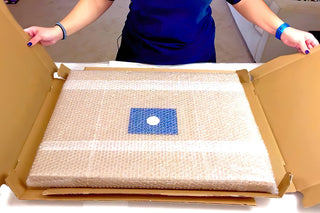
STEP 2 - SHIPPING
We ship your order. We send you an email to track the progress

STEP 3 - DELIVERY
You receive your order. You can also, according to your choice, be delivered to a relay point.
Matte finish
View from behind
Frame (optional)
In the world of art, certain works transcend time and space, captivating minds with their beauty and depth. "The Garden of Vernon" by Pierre Bonnard is a perfect example. This iconic piece, painted in the early 20th century, invites viewers to immerse themselves in a colorful and luminous universe, where nature reveals itself in all its splendor. The painting, depicting a lush garden, is an ode to life and light, revealing the very soul of the artist through a subtle play of colors and shapes. As you contemplate this artwork, you feel invited to explore the corners of a garden that seems both familiar and mysterious—a sensory experience in its own right.
Style and uniqueness of the work
Bonnard's work is often characterized by its ability to capture light and atmosphere at a specific moment. "The Garden of Vernon" is no exception. The vibrant hues and bold brushstrokes create a sense of movement and vitality, as if the garden is breathing before our eyes. The artist plays with contrasts, blending warm and cool colors to evoke the warmth of a sunny day while hinting at the delicate shadows of foliage. The composition is skillfully orchestrated, with each element finding its place in a harmonious balance. This artwork does not merely depict a landscape: it transports the viewer into a waking dream, where nature and art join in a poetic dance.
The artist and his influence
Pierre Bonnard, a major figure of the Nabi movement, always sought to express his emotions through his works, far from the academic conventions of his time. Influenced by Impressionists and Post-Impressionists, he developed a unique style that favors intimacy and subjectivity. His view of the world is imbued with softness and sensitivity, as exemplified by "The Garden of Vernon." Bonnard mastered redefining how light and color interact, inspiring many artists over the decades. His innovative approach paved the way for a freer exploration of color, influencing later movements such as Fauvism.
12,34 €