
Painting La Toilette de Vénus - Simon Vouet | Art print


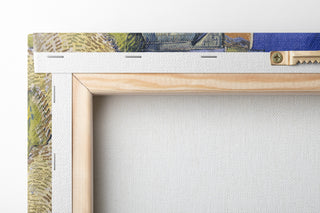
View from behind
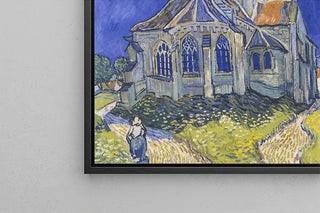
Frame (optional)
In the fascinating world of baroque art, "The Toilette of Venus" by Simon Vouet stands out for its elegance and sensuality. This artwork, created in the 17th century, evokes the timeless beauty of the goddess of love, Venus, while incorporating elements of daily life from the period. Through a carefully orchestrated composition, Vouet manages to capture not only the grace of his subject but also the very essence of baroque aesthetics, where movement and light play a crucial role. The scene depicts a moment of intimacy, where the goddess prepares herself, surrounded by symbolic objects that reinforce her divine status. The artist invites the viewer to a delicate contemplation, awakening a sense of pure beauty and harmony within them.
Style and uniqueness of the work
Simon Vouet's style is characterized by a rich use of colors and a keen sense of light. In "The Toilette of Venus," warm and golden hues envelop the central figure, creating an atmosphere that is both intimate and sumptuous. The drapery of the fabrics is rendered with remarkable finesse, each fold demonstrating the artist's exceptional craftsmanship. The composition, although classical in approach, stands out for its ability to evoke a certain dynamism, where the gazes and gestures of the characters seem to tell a story beyond the frozen moment. The meticulous details, such as accessories and surrounding natural elements, add depth to this work, allowing the viewer to immerse themselves in a world where the divine and the everyday meet with grace.
The artist and his influence
Simon Vouet, a major figure of French baroque, played a crucial role in the evolution of art in France in the 17th century. Trained in Rome, he was able to incorporate Italian influences while developing a distinctive style that would influence his contemporaries and those who followed. Vouet established himself as a master painter, attracting the attention of the court and nobility of his time. His work not only enriched the French artistic heritage but also paved the way for other artists who, inspired by his approach
Painting La Toilette de Vénus - Simon Vouet | Art print

-10% FROM €95 IN PURCHASES
-15% FROM €195 IN PURCHASES
Regular price
- Unit price
- per
Tax included.
Free shipping
€4.90 / Free shipping on orders over €39
Satisfied or Money Back
Free returns within 30 days
10-year warranty
Our prints are guaranteed for 10 years
Any questions? We are here!
by email to contact@artemlegrand.com
THE STEPS OF YOUR ORDER

STEP 1 - ORDER PLACED
Your order has been confirmed and we are starting production
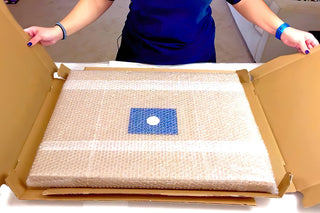
STEP 2 - SHIPPING
We ship your order. We send you an email to track the progress

STEP 3 - DELIVERY
You receive your order. You can also, according to your choice, be delivered to a relay point.
Matte finish
View from behind
Frame (optional)
In the fascinating world of baroque art, "The Toilette of Venus" by Simon Vouet stands out for its elegance and sensuality. This artwork, created in the 17th century, evokes the timeless beauty of the goddess of love, Venus, while incorporating elements of daily life from the period. Through a carefully orchestrated composition, Vouet manages to capture not only the grace of his subject but also the very essence of baroque aesthetics, where movement and light play a crucial role. The scene depicts a moment of intimacy, where the goddess prepares herself, surrounded by symbolic objects that reinforce her divine status. The artist invites the viewer to a delicate contemplation, awakening a sense of pure beauty and harmony within them.
Style and uniqueness of the work
Simon Vouet's style is characterized by a rich use of colors and a keen sense of light. In "The Toilette of Venus," warm and golden hues envelop the central figure, creating an atmosphere that is both intimate and sumptuous. The drapery of the fabrics is rendered with remarkable finesse, each fold demonstrating the artist's exceptional craftsmanship. The composition, although classical in approach, stands out for its ability to evoke a certain dynamism, where the gazes and gestures of the characters seem to tell a story beyond the frozen moment. The meticulous details, such as accessories and surrounding natural elements, add depth to this work, allowing the viewer to immerse themselves in a world where the divine and the everyday meet with grace.
The artist and his influence
Simon Vouet, a major figure of French baroque, played a crucial role in the evolution of art in France in the 17th century. Trained in Rome, he was able to incorporate Italian influences while developing a distinctive style that would influence his contemporaries and those who followed. Vouet established himself as a master painter, attracting the attention of the court and nobility of his time. His work not only enriched the French artistic heritage but also paved the way for other artists who, inspired by his approach
12,34 €