
Vanitas still life painting - Johann Rudolf Loutherburg | Art print


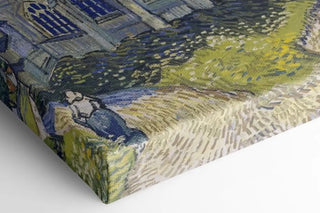
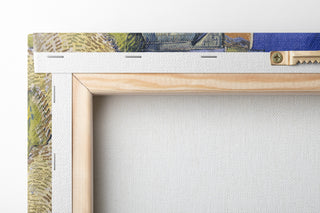
View from behind
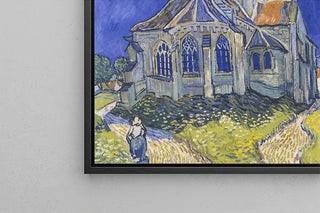
Frame (optional)
Vanitas Still Life Reproduction - Johann Rudolf Loutherburg – Engaging Introduction
The vanitas still life, an iconic work by Johann Rudolf Loutherburg, transcends mere artistic expression to become a profound reflection on the human condition. Through this piece, Loutherburg invites us to contemplate the fleeting nature of life and the richness of the symbols that surround it. In a world where time inexorably passes, this still life stands as a mirror to our own concerns, a poignant reminder of ephemerality and the beauty associated with it. The carefully orchestrated composition reveals everyday objects, each carrying a hidden meaning, an invitation to meditate on our existence.
Style and uniqueness of the work
Loutherburg's work is distinguished by its unique approach to the still life, blending realism and symbolism. The chosen objects, such as skulls, wilted flowers, and musical instruments, evoke a fascinating duality between life and death. The color palette, rich and nuanced, creates an atmosphere that is both serene and unsettling. The artist excels in the art of light, playing with shadows and reflections to give striking depth to his subjects. Every detail, from the most insignificant to the most striking, is treated with meticulous care that testifies to Loutherburg's undeniable talent. This work does not merely depict objects; it tells a story, that of our relationship with time and mortality.
The artist and his influence
Johann Rudolf Loutherburg, painter and engraver of the 18th century, left his mark on his era with his innovative style and bold thematic choices. Raised in a rich artistic context, he was influenced by the masters of the still life, while developing a voice that is uniquely his own. His work goes beyond simple representation; it questions the viewer about the values of his time and the fragility of existence. Loutherburg captured the essence of his era, blending elements of baroque culture with a distinctly romantic sensibility. His influence extends beyond his work, inspiring many contemporary and later artists to explore themes of mortality and
Vanitas still life painting - Johann Rudolf Loutherburg | Art print

-10% FROM €95 IN PURCHASES
-15% FROM €195 IN PURCHASES
Regular price
- Unit price
- per
Tax included.
Free shipping
€4.90 / Free shipping on orders over €39
Satisfied or Money Back
Free returns within 30 days
10-year warranty
Our prints are guaranteed for 10 years
Any questions? We are here!
by email to contact@artemlegrand.com
THE STEPS OF YOUR ORDER

STEP 1 - ORDER PLACED
Your order has been confirmed and we are starting production
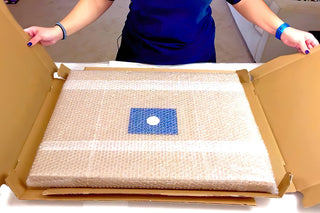
STEP 2 - SHIPPING
We ship your order. We send you an email to track the progress

STEP 3 - DELIVERY
You receive your order. You can also, according to your choice, be delivered to a relay point.
Matte finish
View from behind
Frame (optional)
Vanitas Still Life Reproduction - Johann Rudolf Loutherburg – Engaging Introduction
The vanitas still life, an iconic work by Johann Rudolf Loutherburg, transcends mere artistic expression to become a profound reflection on the human condition. Through this piece, Loutherburg invites us to contemplate the fleeting nature of life and the richness of the symbols that surround it. In a world where time inexorably passes, this still life stands as a mirror to our own concerns, a poignant reminder of ephemerality and the beauty associated with it. The carefully orchestrated composition reveals everyday objects, each carrying a hidden meaning, an invitation to meditate on our existence.
Style and uniqueness of the work
Loutherburg's work is distinguished by its unique approach to the still life, blending realism and symbolism. The chosen objects, such as skulls, wilted flowers, and musical instruments, evoke a fascinating duality between life and death. The color palette, rich and nuanced, creates an atmosphere that is both serene and unsettling. The artist excels in the art of light, playing with shadows and reflections to give striking depth to his subjects. Every detail, from the most insignificant to the most striking, is treated with meticulous care that testifies to Loutherburg's undeniable talent. This work does not merely depict objects; it tells a story, that of our relationship with time and mortality.
The artist and his influence
Johann Rudolf Loutherburg, painter and engraver of the 18th century, left his mark on his era with his innovative style and bold thematic choices. Raised in a rich artistic context, he was influenced by the masters of the still life, while developing a voice that is uniquely his own. His work goes beyond simple representation; it questions the viewer about the values of his time and the fragility of existence. Loutherburg captured the essence of his era, blending elements of baroque culture with a distinctly romantic sensibility. His influence extends beyond his work, inspiring many contemporary and later artists to explore themes of mortality and
12,34 €