
Vanitas still life painting - Peter Willebeeck | Art print


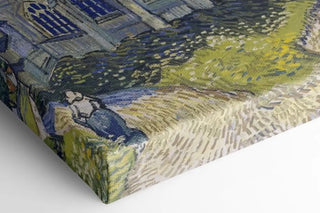
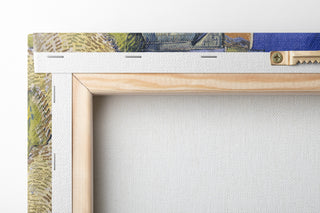
View from behind
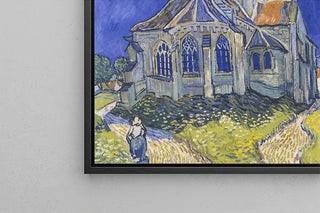
Frame (optional)
Vanitas Still Life Reproduction - Peter Willebeeck – Captivating Introduction
The vanitas still life reproduction, an iconic work by Peter Willebeeck, immerses us in a universe rich in symbolism and reflection. This artwork, which evokes themes of life's transience and the fragility of human existence, captures attention through its refined aesthetic and meticulously detailed elements. Through a carefully orchestrated composition, Willebeeck invites the viewer to a profound contemplation, where each element, each object, tells a story. The colors, textures, and play of light combine to create an atmosphere that is both melancholic and fascinating, prompting us to reflect on our own mortality and the ephemeral beauty of life.
Style and uniqueness of the work
Willebeeck's style is distinguished by a realistic, almost photographic approach that highlights the precision of details. In this vanitas still life, each object—be it a skull, an antique book, or a withered flower—is depicted with remarkable accuracy. The artist skillfully plays with shadows and lights, creating a striking contrast that emphasizes the three-dimensionality of the elements. The color palette, dominated by dark and rich tones, lends emotional depth to the piece while reinforcing the message of vanity. Willebeeck succeeds in capturing not only the appearance of the objects but also their essence, making this vanitas still life highly evocative. This singularity in the treatment of subjects demonstrates technical mastery as well as artistic sensitivity that transcends simple realism.
The artist and his influence
Peter Willebeeck, though less known than some of his contemporaries, left his mark on his era with a work imbued with philosophical reflection. Operating in the 17th century, he fits within the tradition of still life painters, but his approach is distinguished by a deep introspection of the themes he explores. Influenced by the humanist ideas of his time, Willebeeck does not merely depict inanimate objects; he questions the relationship between man, mortality, and beauty. His work has inspired many artists, who have seen in
Vanitas still life painting - Peter Willebeeck | Art print

-10% FROM €95 IN PURCHASES
-15% FROM €195 IN PURCHASES
Regular price
- Unit price
- per
Tax included.
Free shipping
€4.90 / Free shipping on orders over €39
Satisfied or Money Back
Free returns within 30 days
10-year warranty
Our prints are guaranteed for 10 years
Any questions? We are here!
by email to contact@artemlegrand.com
THE STEPS OF YOUR ORDER

STEP 1 - ORDER PLACED
Your order has been confirmed and we are starting production
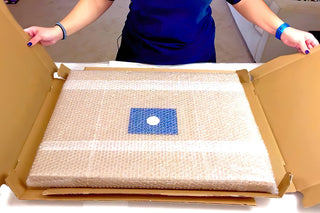
STEP 2 - SHIPPING
We ship your order. We send you an email to track the progress

STEP 3 - DELIVERY
You receive your order. You can also, according to your choice, be delivered to a relay point.
Matte finish
View from behind
Frame (optional)
Vanitas Still Life Reproduction - Peter Willebeeck – Captivating Introduction
The vanitas still life reproduction, an iconic work by Peter Willebeeck, immerses us in a universe rich in symbolism and reflection. This artwork, which evokes themes of life's transience and the fragility of human existence, captures attention through its refined aesthetic and meticulously detailed elements. Through a carefully orchestrated composition, Willebeeck invites the viewer to a profound contemplation, where each element, each object, tells a story. The colors, textures, and play of light combine to create an atmosphere that is both melancholic and fascinating, prompting us to reflect on our own mortality and the ephemeral beauty of life.
Style and uniqueness of the work
Willebeeck's style is distinguished by a realistic, almost photographic approach that highlights the precision of details. In this vanitas still life, each object—be it a skull, an antique book, or a withered flower—is depicted with remarkable accuracy. The artist skillfully plays with shadows and lights, creating a striking contrast that emphasizes the three-dimensionality of the elements. The color palette, dominated by dark and rich tones, lends emotional depth to the piece while reinforcing the message of vanity. Willebeeck succeeds in capturing not only the appearance of the objects but also their essence, making this vanitas still life highly evocative. This singularity in the treatment of subjects demonstrates technical mastery as well as artistic sensitivity that transcends simple realism.
The artist and his influence
Peter Willebeeck, though less known than some of his contemporaries, left his mark on his era with a work imbued with philosophical reflection. Operating in the 17th century, he fits within the tradition of still life painters, but his approach is distinguished by a deep introspection of the themes he explores. Influenced by the humanist ideas of his time, Willebeeck does not merely depict inanimate objects; he questions the relationship between man, mortality, and beauty. His work has inspired many artists, who have seen in
12,34 €