
Art print Un Spartiate montre à ses fils un hilote ivre - Laurent Jacquot Defrance


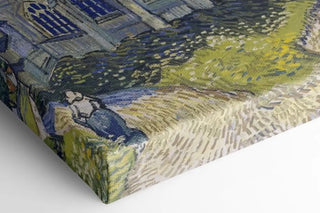
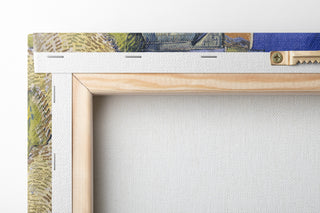
View from behind
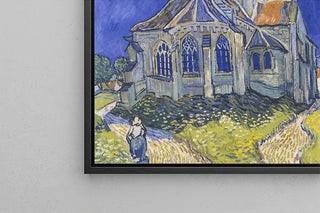
Frame (optional)
In the vast panorama of Western art, certain works manage to transcend their era to capture moments of human truth, tension, and reflection. "Un Spartiate montre à ses fils un hilote ivre" by Laurent Jacquot Defrance is one of these works. Created in the early 19th century, this painting stands out for its ability to evoke universal themes such as power, submission, and education. The artist, choosing to depict a scene from ancient Greece, immerses us in a world where the honor and bravery of the Spartans confront the condition of the hilotes, these serfs who lived under their domination. Through this art print, the viewer is invited to reflect on social dynamics and the values that have shaped history.
Style and uniqueness of the work
Laurent Jacquot Defrance's style is characterized by meticulous precision and particular attention to detail, which bring his characters and their emotions to life. In "Un Spartiate montre à ses fils un hilote ivre," the composition is carefully orchestrated. The viewer's gaze is guided by dynamic lines emanating from the bodies of the protagonists. The facial expressions, both of the Spartan and his sons, testify to strict pedagogy and concern over the hilote's intoxication. The color palette chosen by the artist, oscillating between warm tones and deep shadows, creates an atmosphere that is both dramatic and educational. Every element of the scene contributes to reinforcing the message: the hilote's intoxication is not merely an individual weakness but a reflection of human condition and power relations.
The artist and his influence
Laurent Jacquot Defrance, though less known than some of his contemporaries, managed to establish himself in the artistic landscape of his time thanks to his works full of meaning. Trained in the art schools of his era, he was influenced by Neoclassicism but also incorporated elements of emerging Romanticism. This blend of styles allowed him to approach historical subjects with rare psychological depth. Through his works, he sought
Art print Un Spartiate montre à ses fils un hilote ivre - Laurent Jacquot Defrance

-10% FROM €95 IN PURCHASES
-15% FROM €195 IN PURCHASES
Regular price
- Unit price
- per
Tax included.
Free shipping
€4.90 / Free shipping on orders over €39
Satisfied or Money Back
Free returns within 30 days
10-year warranty
Our prints are guaranteed for 10 years
Any questions? We are here!
by email to contact@artemlegrand.com
THE STEPS OF YOUR ORDER

STEP 1 - ORDER PLACED
Your order has been confirmed and we are starting production
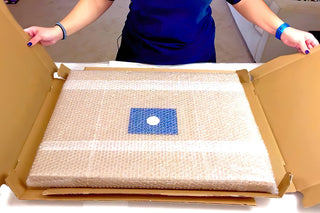
STEP 2 - SHIPPING
We ship your order. We send you an email to track the progress

STEP 3 - DELIVERY
You receive your order. You can also, according to your choice, be delivered to a relay point.
Matte finish
View from behind
Frame (optional)
In the vast panorama of Western art, certain works manage to transcend their era to capture moments of human truth, tension, and reflection. "Un Spartiate montre à ses fils un hilote ivre" by Laurent Jacquot Defrance is one of these works. Created in the early 19th century, this painting stands out for its ability to evoke universal themes such as power, submission, and education. The artist, choosing to depict a scene from ancient Greece, immerses us in a world where the honor and bravery of the Spartans confront the condition of the hilotes, these serfs who lived under their domination. Through this art print, the viewer is invited to reflect on social dynamics and the values that have shaped history.
Style and uniqueness of the work
Laurent Jacquot Defrance's style is characterized by meticulous precision and particular attention to detail, which bring his characters and their emotions to life. In "Un Spartiate montre à ses fils un hilote ivre," the composition is carefully orchestrated. The viewer's gaze is guided by dynamic lines emanating from the bodies of the protagonists. The facial expressions, both of the Spartan and his sons, testify to strict pedagogy and concern over the hilote's intoxication. The color palette chosen by the artist, oscillating between warm tones and deep shadows, creates an atmosphere that is both dramatic and educational. Every element of the scene contributes to reinforcing the message: the hilote's intoxication is not merely an individual weakness but a reflection of human condition and power relations.
The artist and his influence
Laurent Jacquot Defrance, though less known than some of his contemporaries, managed to establish himself in the artistic landscape of his time thanks to his works full of meaning. Trained in the art schools of his era, he was influenced by Neoclassicism but also incorporated elements of emerging Romanticism. This blend of styles allowed him to approach historical subjects with rare psychological depth. Through his works, he sought
12,34 €