
Art print of a cavalry officer charging - Gerrit Claesz Bleker


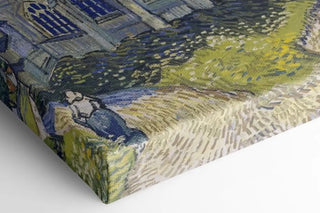
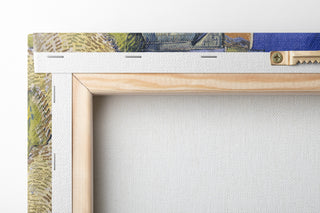
View from behind
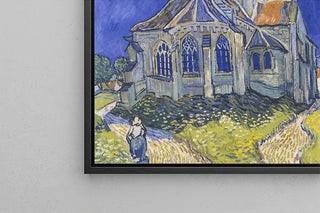
Frame (optional)
In the vibrant universe of 17th-century Dutch art, Gerrit Claesz Bleker's "A cavalry officer charging" stands out for its palpable energy and striking realism. This painting, capturing a moment of military bravery, transports the viewer to a time when cavalry played a central role in conflicts. The piece, both dynamic and emotive, evokes the tension of a decisive instant, where strength and determination combine to bring an iconic scene to life. The art print of this work allows appreciation not only of the artist's technical virtuosity but also of the vibrant atmosphere emanating from this representation.
Style and uniqueness of the work
Bleker distinguishes himself with a unique style, characterized by an exceptional mastery of details and a particular attention to light. In "A cavalry officer charging," the movements of the horses and soldiers are rendered with precision that gives the scene an almost cinematic intensity. The colors, both vivid and nuanced, enhance the depth of the image, while strategically placed shadows add an almost three-dimensional dimension. This painting does not merely depict a battle; it tells a story, that of a man in full charge, symbolizing courage and determination. Every element, from the harnessing of the horses to the expressions of the soldiers, is carefully thought out to immerse the viewer in this tumultuous era.
The artist and his influence
Gerrit Claesz Bleker, though less known than some of his contemporaries, managed to establish himself in the artistic landscape of his time. Trained in Amsterdam workshops, he was influenced by masters of realism but also incorporated elements of dynamism and storytelling that are his own. His ability to capture the essence of military life of his era reflects attentive observation and a passion for his subject. Bleker's works, often centered on military themes, reveal a fascination with movement and action, qualities that position him as a precursor to a more modern approach to historical painting.
Art print of a cavalry officer charging - Gerrit Claesz Bleker

-10% FROM €95 IN PURCHASES
-15% FROM €195 IN PURCHASES
Regular price
- Unit price
- per
Tax included.
Free shipping
€4.90 / Free shipping on orders over €39
Satisfied or Money Back
Free returns within 30 days
10-year warranty
Our prints are guaranteed for 10 years
Any questions? We are here!
by email to contact@artemlegrand.com
THE STEPS OF YOUR ORDER

STEP 1 - ORDER PLACED
Your order has been confirmed and we are starting production
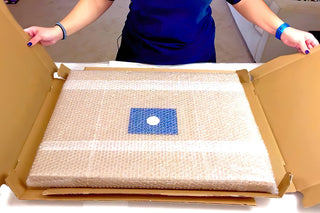
STEP 2 - SHIPPING
We ship your order. We send you an email to track the progress

STEP 3 - DELIVERY
You receive your order. You can also, according to your choice, be delivered to a relay point.
Matte finish
View from behind
Frame (optional)
In the vibrant universe of 17th-century Dutch art, Gerrit Claesz Bleker's "A cavalry officer charging" stands out for its palpable energy and striking realism. This painting, capturing a moment of military bravery, transports the viewer to a time when cavalry played a central role in conflicts. The piece, both dynamic and emotive, evokes the tension of a decisive instant, where strength and determination combine to bring an iconic scene to life. The art print of this work allows appreciation not only of the artist's technical virtuosity but also of the vibrant atmosphere emanating from this representation.
Style and uniqueness of the work
Bleker distinguishes himself with a unique style, characterized by an exceptional mastery of details and a particular attention to light. In "A cavalry officer charging," the movements of the horses and soldiers are rendered with precision that gives the scene an almost cinematic intensity. The colors, both vivid and nuanced, enhance the depth of the image, while strategically placed shadows add an almost three-dimensional dimension. This painting does not merely depict a battle; it tells a story, that of a man in full charge, symbolizing courage and determination. Every element, from the harnessing of the horses to the expressions of the soldiers, is carefully thought out to immerse the viewer in this tumultuous era.
The artist and his influence
Gerrit Claesz Bleker, though less known than some of his contemporaries, managed to establish himself in the artistic landscape of his time. Trained in Amsterdam workshops, he was influenced by masters of realism but also incorporated elements of dynamism and storytelling that are his own. His ability to capture the essence of military life of his era reflects attentive observation and a passion for his subject. Bleker's works, often centered on military themes, reveal a fascination with movement and action, qualities that position him as a precursor to a more modern approach to historical painting.
12,34 €