
Art print of a Muslim schoolmaster - Sir Charles D'Oyly


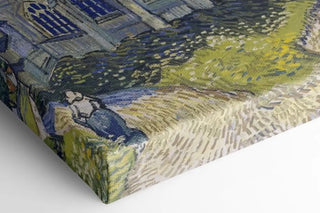
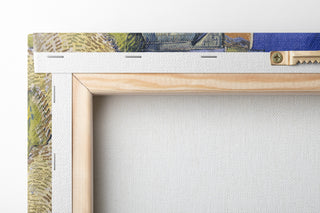
View from behind
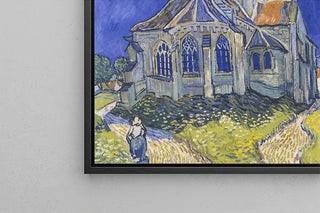
Frame (optional)
In the vast panorama of Orientalist art, "A Muslim schoolmaster" by Sir Charles D'Oyly stands as an emblematic work, capturing the essence of a world that is both mysterious and fascinating. This painting, which evokes the encounter between the West and the East, immerses the viewer in a universe where culture and education blend harmoniously. Through the insightful gaze of the master, the artist succeeds in conveying an atmosphere of intimacy and respect, inviting reflection on the transmission of knowledge within a rich and complex cultural context. The art print of this piece not only allows appreciation of its fine execution but also offers an opportunity to explore the profound themes underlying it.
Style and uniqueness of the work
D'Oyly's style is distinguished by meticulous attention to detail and a warm color palette that evokes the sunrise over Eastern lands. Every element of the composition, from the master's turban to the textures of the clothing, is treated with delicacy that highlights the authenticity of its subject. The posture of the master, both authoritative and benevolent, reveals the duality of his role as teacher and guide. Decorative motifs adorning the background add an extra dimension to the piece, reinforcing the idea that education is intimately linked to culture. This painting transcends a simple portrait to become a true ode to learning, where each brushstroke tells a story.
The artist and his influence
Sir Charles D'Oyly, a major figure in British Orientalism, captured the spirit of colonial India through his works. His artistic journey, marked by travels in Asia, allowed him to develop a unique perspective on the cultures he encountered. D'Oyly was not merely a painter but also a keen observer of local customs and traditions. His work influenced a generation of artists, demonstrating the importance of authenticity and respect in representing foreign cultures. By incorporating elements of Indian daily life into his works, he contributed to a better understanding of this region of the world, while inspiring
Art print of a Muslim schoolmaster - Sir Charles D'Oyly

-10% FROM €95 IN PURCHASES
-15% FROM €195 IN PURCHASES
Regular price
- Unit price
- per
Tax included.
Free shipping
€4.90 / Free shipping on orders over €39
Satisfied or Money Back
Free returns within 30 days
10-year warranty
Our prints are guaranteed for 10 years
Any questions? We are here!
by email to contact@artemlegrand.com
THE STEPS OF YOUR ORDER

STEP 1 - ORDER PLACED
Your order has been confirmed and we are starting production
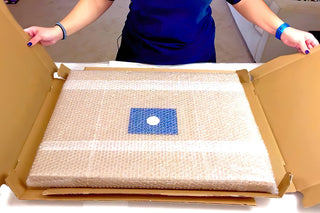
STEP 2 - SHIPPING
We ship your order. We send you an email to track the progress

STEP 3 - DELIVERY
You receive your order. You can also, according to your choice, be delivered to a relay point.
Matte finish
View from behind
Frame (optional)
In the vast panorama of Orientalist art, "A Muslim schoolmaster" by Sir Charles D'Oyly stands as an emblematic work, capturing the essence of a world that is both mysterious and fascinating. This painting, which evokes the encounter between the West and the East, immerses the viewer in a universe where culture and education blend harmoniously. Through the insightful gaze of the master, the artist succeeds in conveying an atmosphere of intimacy and respect, inviting reflection on the transmission of knowledge within a rich and complex cultural context. The art print of this piece not only allows appreciation of its fine execution but also offers an opportunity to explore the profound themes underlying it.
Style and uniqueness of the work
D'Oyly's style is distinguished by meticulous attention to detail and a warm color palette that evokes the sunrise over Eastern lands. Every element of the composition, from the master's turban to the textures of the clothing, is treated with delicacy that highlights the authenticity of its subject. The posture of the master, both authoritative and benevolent, reveals the duality of his role as teacher and guide. Decorative motifs adorning the background add an extra dimension to the piece, reinforcing the idea that education is intimately linked to culture. This painting transcends a simple portrait to become a true ode to learning, where each brushstroke tells a story.
The artist and his influence
Sir Charles D'Oyly, a major figure in British Orientalism, captured the spirit of colonial India through his works. His artistic journey, marked by travels in Asia, allowed him to develop a unique perspective on the cultures he encountered. D'Oyly was not merely a painter but also a keen observer of local customs and traditions. His work influenced a generation of artists, demonstrating the importance of authenticity and respect in representing foreign cultures. By incorporating elements of Indian daily life into his works, he contributed to a better understanding of this region of the world, while inspiring
12,34 €