
Art print of a Cockatoo - Gustave Léonard de Jonghe


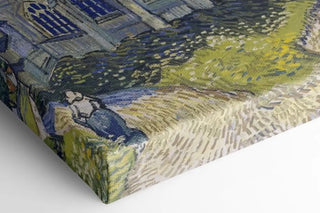
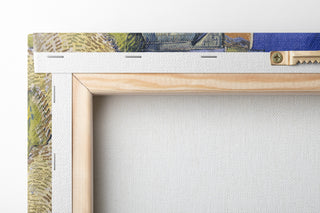
View from behind
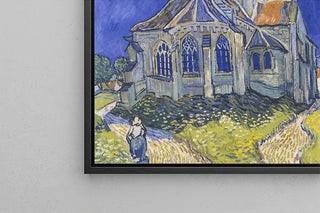
Frame (optional)
In the world of art, some works manage to transcend time and capture the very essence of beauty. "Un cacatoès" by Gustave Léonard de Jonghe is undoubtedly one of these creations. This painting, a true ode to nature, invites the viewer to immerse themselves in a universe where the delicacy of colors and the finesse of details combine to offer an unforgettable visual experience. The bird, majestic and full of life, stands proudly, revealing the artist's technical mastery and love for wildlife. Through this artwork, de Jonghe does not merely depict a cockatoo; he manages to breathe soul into it, making each glance at the painting unique and memorable.
Style and uniqueness of the work
Gustave Léonard de Jonghe's style is characterized by meticulous attention to detail and a vibrant color palette. In "Un cacatoès," light plays a leading role, illuminating the bird's feathers in an almost magical way. Shades of yellow, green, and blue intertwine harmoniously, creating a lively painting that seems to breathe. The composition, both balanced and dynamic, immediately draws the eye to the cockatoo, while a subtly blurred background hints at a tropical ambiance. This artistic choice allows the bird to stand out brilliantly, while suggesting a lush habitat. De Jonghe, through his refined technique, demonstrates a deep respect for nature and an intuitive understanding of animal beauty.
The artist and his influence
Gustave Léonard de Jonghe, born in 1829 in Belgium, was an artist whose career was marked by an unceasing quest for beauty and harmony. Trained in the workshops of great masters, he quickly developed a style that was uniquely his own, combining realism and romanticism. His work belongs to the 19th-century movement, a time when art was reinventing itself and artists sought to establish a more intimate connection with nature. De Jonghe, in particular, stands out for his ability to capture fleeting moments.
Art print of a Cockatoo - Gustave Léonard de Jonghe

-10% FROM €95 IN PURCHASES
-15% FROM €195 IN PURCHASES
Regular price
- Unit price
- per
Tax included.
Free shipping
€4.90 / Free shipping on orders over €39
Satisfied or Money Back
Free returns within 30 days
10-year warranty
Our prints are guaranteed for 10 years
Any questions? We are here!
by email to contact@artemlegrand.com
THE STEPS OF YOUR ORDER

STEP 1 - ORDER PLACED
Your order has been confirmed and we are starting production
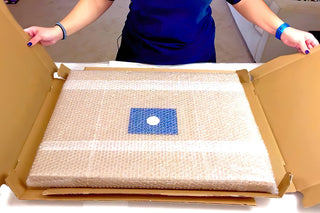
STEP 2 - SHIPPING
We ship your order. We send you an email to track the progress

STEP 3 - DELIVERY
You receive your order. You can also, according to your choice, be delivered to a relay point.
Matte finish
View from behind
Frame (optional)
In the world of art, some works manage to transcend time and capture the very essence of beauty. "Un cacatoès" by Gustave Léonard de Jonghe is undoubtedly one of these creations. This painting, a true ode to nature, invites the viewer to immerse themselves in a universe where the delicacy of colors and the finesse of details combine to offer an unforgettable visual experience. The bird, majestic and full of life, stands proudly, revealing the artist's technical mastery and love for wildlife. Through this artwork, de Jonghe does not merely depict a cockatoo; he manages to breathe soul into it, making each glance at the painting unique and memorable.
Style and uniqueness of the work
Gustave Léonard de Jonghe's style is characterized by meticulous attention to detail and a vibrant color palette. In "Un cacatoès," light plays a leading role, illuminating the bird's feathers in an almost magical way. Shades of yellow, green, and blue intertwine harmoniously, creating a lively painting that seems to breathe. The composition, both balanced and dynamic, immediately draws the eye to the cockatoo, while a subtly blurred background hints at a tropical ambiance. This artistic choice allows the bird to stand out brilliantly, while suggesting a lush habitat. De Jonghe, through his refined technique, demonstrates a deep respect for nature and an intuitive understanding of animal beauty.
The artist and his influence
Gustave Léonard de Jonghe, born in 1829 in Belgium, was an artist whose career was marked by an unceasing quest for beauty and harmony. Trained in the workshops of great masters, he quickly developed a style that was uniquely his own, combining realism and romanticism. His work belongs to the 19th-century movement, a time when art was reinventing itself and artists sought to establish a more intimate connection with nature. De Jonghe, in particular, stands out for his ability to capture fleeting moments.
12,34 €