
Turkish Woman at Her Embroidery Frame - Jean-Baptiste Vanmour | Art print


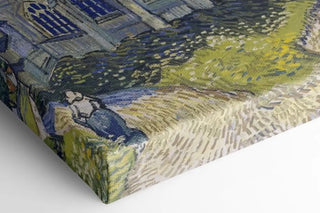
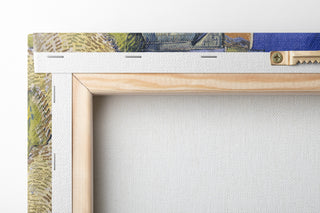
View from behind
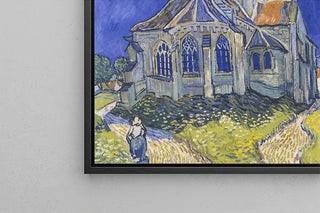
Frame (optional)
The artwork "Turkish Woman at Her Embroidery" by Jean-Baptiste Vanmour is a captivating piece that transports us to the heart of the Orient in the 18th century. This painting, rich in detail and color, evokes an atmosphere filled with mystery and delicacy. Through the artist's gaze, we discover not only the beauty of a woman engaged in her craft but also a reflection of the culture and traditions of the time. The scene, both intimate and universal, invites viewers to question the role of women in society, the practice of craftsmanship, and the oriental aesthetic that fascinated Europeans so much.
Style and uniqueness of the work
Vanmour's style is distinguished by his ability to capture the essence of his subjects with remarkable precision. In "Turkish Woman at Her Embroidery," the clothing details, fabric textures, and color nuances are rendered with meticulous care, demonstrating true craftsmanship. The composition of the artwork is thoughtfully designed, highlighting the woman at the center of the piece, while the subtly blurred background suggests a rich and vibrant environment. Decorative elements, such as floral and geometric motifs, evoke traditional craftsmanship and emphasize the importance of embroidery in Turkish culture. This piece is not merely a simple representation; it is an exploration of the senses, an invitation to appreciate everyday beauty and human creativity.
The artist and his influence
Jean-Baptiste Vanmour, an 18th-century French painter, is often recognized for his oriental works that capture the collective imagination of his era. His stay in Turkey allowed him to immerse himself in local customs and lifestyles, which he skillfully transcribed with unique sensitivity. Vanmour played a key role in spreading oriental art across Europe, influencing many artists who followed in his footsteps. His ability to blend elements of Western and Eastern cultures paved the way for a new form of art that celebrates the diversity of traditions. Through his works, he managed to create a dialogue between
Turkish Woman at Her Embroidery Frame - Jean-Baptiste Vanmour | Art print

-10% FROM €95 IN PURCHASES
-15% FROM €195 IN PURCHASES
Regular price
- Unit price
- per
Tax included.
Free shipping
€4.90 / Free shipping on orders over €39
Satisfied or Money Back
Free returns within 30 days
10-year warranty
Our prints are guaranteed for 10 years
Any questions? We are here!
by email to contact@artemlegrand.com
THE STEPS OF YOUR ORDER

STEP 1 - ORDER PLACED
Your order has been confirmed and we are starting production
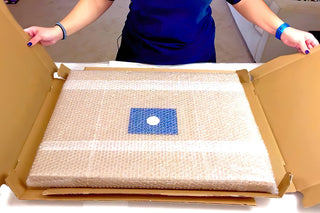
STEP 2 - SHIPPING
We ship your order. We send you an email to track the progress

STEP 3 - DELIVERY
You receive your order. You can also, according to your choice, be delivered to a relay point.
Matte finish
View from behind
Frame (optional)
The artwork "Turkish Woman at Her Embroidery" by Jean-Baptiste Vanmour is a captivating piece that transports us to the heart of the Orient in the 18th century. This painting, rich in detail and color, evokes an atmosphere filled with mystery and delicacy. Through the artist's gaze, we discover not only the beauty of a woman engaged in her craft but also a reflection of the culture and traditions of the time. The scene, both intimate and universal, invites viewers to question the role of women in society, the practice of craftsmanship, and the oriental aesthetic that fascinated Europeans so much.
Style and uniqueness of the work
Vanmour's style is distinguished by his ability to capture the essence of his subjects with remarkable precision. In "Turkish Woman at Her Embroidery," the clothing details, fabric textures, and color nuances are rendered with meticulous care, demonstrating true craftsmanship. The composition of the artwork is thoughtfully designed, highlighting the woman at the center of the piece, while the subtly blurred background suggests a rich and vibrant environment. Decorative elements, such as floral and geometric motifs, evoke traditional craftsmanship and emphasize the importance of embroidery in Turkish culture. This piece is not merely a simple representation; it is an exploration of the senses, an invitation to appreciate everyday beauty and human creativity.
The artist and his influence
Jean-Baptiste Vanmour, an 18th-century French painter, is often recognized for his oriental works that capture the collective imagination of his era. His stay in Turkey allowed him to immerse himself in local customs and lifestyles, which he skillfully transcribed with unique sensitivity. Vanmour played a key role in spreading oriental art across Europe, influencing many artists who followed in his footsteps. His ability to blend elements of Western and Eastern cultures paved the way for a new form of art that celebrates the diversity of traditions. Through his works, he managed to create a dialogue between
12,34 €