
Art print Turdus ruffus La Thruth couleur renard Ceraso similis arbuscula c Les grappes Cerisier noir - Mark Catesby


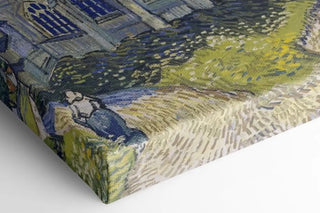
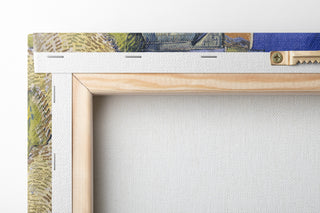
View from behind
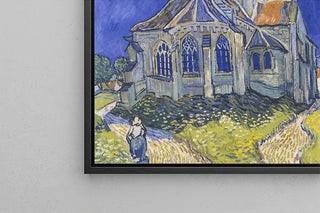
Frame (optional)
Turdus ruffus La Thruth couleur renard Ceraso similis arbuscula c Les grappes Cerisier noir - Mark Catesby – Captivating introduction
The artwork "Turdus ruffus La Thruth couleur renard Ceraso similis arbuscula c Les grappes Cerisier noir" by Mark Catesby is part of an artistic tradition where nature is celebrated with an almost scientific precision. Through this art print, the viewer is transported into a universe where the meticulous details of birds and plants blend with a palette of vibrant colors. Catesby, a naturalist and artist of the 18th century, managed to capture the beauty of the natural world with a sensitivity that transcends mere visual recording. Every element of this art print tells a story, that of a rich and complex ecosystem, where each species plays a crucial role.
Style and uniqueness of the artwork
Catesby's style is distinguished by its realistic approach and its ability to combine art and science. In "Turdus ruffus La Thruth couleur renard Ceraso similis arbuscula c Les grappes Cerisier noir," the artist uses engraving techniques that highlight the textures and nuances of plumage, while incorporating botanical elements that enrich the scene. The composition is carefully balanced, with each bird and each cluster of black cherry positioned to create a visual dialogue. The brightness of the colors, the rendering of details, and the harmony of shapes reflect a deep respect for nature. Catesby does not merely depict his subject; he elevates it, making it almost sacred, and invites the viewer to a contemplative reflection.
The artist and his influence
Mark Catesby, often regarded as the father of naturalist illustration in America, had a lasting influence on the world of art and natural sciences. His journeys in North America, at the beginning of the 18th century, allowed him to observe and document fauna and flora previously unknown to Europeans. Catesby skillfully combined his talents as an artist with his passion for scientific observation, creating works that not only enriched the knowledge of his time but continue to inspire generations
Art print Turdus ruffus La Thruth couleur renard Ceraso similis arbuscula c Les grappes Cerisier noir - Mark Catesby

-10% FROM €95 IN PURCHASES
-15% FROM €195 IN PURCHASES
Regular price
- Unit price
- per
Tax included.
Free shipping
€4.90 / Free shipping on orders over €39
Satisfied or Money Back
Free returns within 30 days
10-year warranty
Our prints are guaranteed for 10 years
Any questions? We are here!
by email to contact@artemlegrand.com
THE STEPS OF YOUR ORDER

STEP 1 - ORDER PLACED
Your order has been confirmed and we are starting production
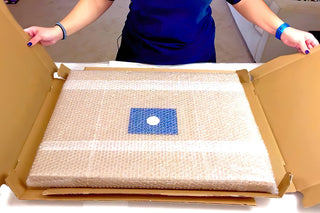
STEP 2 - SHIPPING
We ship your order. We send you an email to track the progress

STEP 3 - DELIVERY
You receive your order. You can also, according to your choice, be delivered to a relay point.
Matte finish
View from behind
Frame (optional)
Turdus ruffus La Thruth couleur renard Ceraso similis arbuscula c Les grappes Cerisier noir - Mark Catesby – Captivating introduction
The artwork "Turdus ruffus La Thruth couleur renard Ceraso similis arbuscula c Les grappes Cerisier noir" by Mark Catesby is part of an artistic tradition where nature is celebrated with an almost scientific precision. Through this art print, the viewer is transported into a universe where the meticulous details of birds and plants blend with a palette of vibrant colors. Catesby, a naturalist and artist of the 18th century, managed to capture the beauty of the natural world with a sensitivity that transcends mere visual recording. Every element of this art print tells a story, that of a rich and complex ecosystem, where each species plays a crucial role.
Style and uniqueness of the artwork
Catesby's style is distinguished by its realistic approach and its ability to combine art and science. In "Turdus ruffus La Thruth couleur renard Ceraso similis arbuscula c Les grappes Cerisier noir," the artist uses engraving techniques that highlight the textures and nuances of plumage, while incorporating botanical elements that enrich the scene. The composition is carefully balanced, with each bird and each cluster of black cherry positioned to create a visual dialogue. The brightness of the colors, the rendering of details, and the harmony of shapes reflect a deep respect for nature. Catesby does not merely depict his subject; he elevates it, making it almost sacred, and invites the viewer to a contemplative reflection.
The artist and his influence
Mark Catesby, often regarded as the father of naturalist illustration in America, had a lasting influence on the world of art and natural sciences. His journeys in North America, at the beginning of the 18th century, allowed him to observe and document fauna and flora previously unknown to Europeans. Catesby skillfully combined his talents as an artist with his passion for scientific observation, creating works that not only enriched the knowledge of his time but continue to inspire generations
12,34 €