
Art print Treatise on Fruit Trees Pl02 - Henri-Louis Duhamel du Monceau | Art print


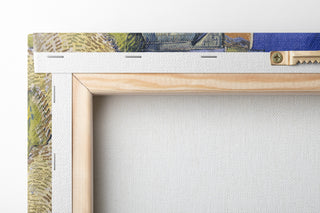
View from behind
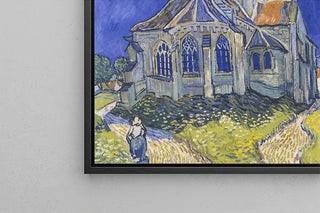
Frame (optional)
In the vast panorama of art history, certain works stand out for their ability to capture not only the beauty of the natural world but also the depth of human knowledge. "Art print of the Fruit Trees Treatise Pl02 - Henri-Louis Duhamel du Monceau" fits within this tradition, offering a fascinating window into the harmony between art and science. This masterpiece, born from the reflections of a man passionate about horticulture and botany, goes beyond a simple representation of fruit trees. On the contrary, it evokes an era when nature was both an object of study and a source of inspiration, inviting the viewer to contemplate the richness of biodiversity.
Style and uniqueness of the work
Duhamel du Monceau's work is distinguished by its meticulous approach and remarkable precision. Each fruit tree is depicted with particular attention to detail, revealing not only the shape and color of the fruits but also the texture of the bark and the delicacy of the leaves. This striking realism demonstrates a deep respect for nature and a desire to educate the public about different species. The composition is carefully orchestrated, creating a visual balance that draws the eye and invites exploration. The nuances of colors, ranging from vibrant greens to deep reds of ripe fruits, are carefully chosen to evoke vitality and the richness of nature. In this work, art becomes a means of understanding the world, an invitation to rediscover the beauty of the trees that surround us.
The artist and his influence
Henri-Louis Duhamel du Monceau, an emblematic figure of the 18th century, was much more than a simple artist. He was a pioneer in the field of horticulture and a fervent defender of botanical science. His passion for plants and his desire to share his knowledge made him a forerunner in the study of fruit trees. Influenced by the Enlightenment, he knew how to combine art and knowledge, thus contributing to the emergence of a new vision of nature. His work inspired many botanists and artists, creating a bridge between aesthetics and
Art print Treatise on Fruit Trees Pl02 - Henri-Louis Duhamel du Monceau | Art print

-10% FROM €95 IN PURCHASES
-15% FROM €195 IN PURCHASES
Regular price
- Unit price
- per
Tax included.
Free shipping
€4.90 / Free shipping on orders over €39
Satisfied or Money Back
Free returns within 30 days
10-year warranty
Our prints are guaranteed for 10 years
Any questions? We are here!
by email to contact@artemlegrand.com
THE STEPS OF YOUR ORDER

STEP 1 - ORDER PLACED
Your order has been confirmed and we are starting production
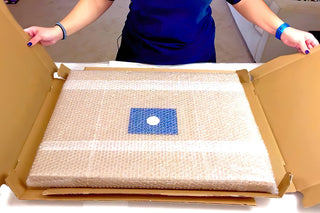
STEP 2 - SHIPPING
We ship your order. We send you an email to track the progress

STEP 3 - DELIVERY
You receive your order. You can also, according to your choice, be delivered to a relay point.
Matte finish
View from behind
Frame (optional)
In the vast panorama of art history, certain works stand out for their ability to capture not only the beauty of the natural world but also the depth of human knowledge. "Art print of the Fruit Trees Treatise Pl02 - Henri-Louis Duhamel du Monceau" fits within this tradition, offering a fascinating window into the harmony between art and science. This masterpiece, born from the reflections of a man passionate about horticulture and botany, goes beyond a simple representation of fruit trees. On the contrary, it evokes an era when nature was both an object of study and a source of inspiration, inviting the viewer to contemplate the richness of biodiversity.
Style and uniqueness of the work
Duhamel du Monceau's work is distinguished by its meticulous approach and remarkable precision. Each fruit tree is depicted with particular attention to detail, revealing not only the shape and color of the fruits but also the texture of the bark and the delicacy of the leaves. This striking realism demonstrates a deep respect for nature and a desire to educate the public about different species. The composition is carefully orchestrated, creating a visual balance that draws the eye and invites exploration. The nuances of colors, ranging from vibrant greens to deep reds of ripe fruits, are carefully chosen to evoke vitality and the richness of nature. In this work, art becomes a means of understanding the world, an invitation to rediscover the beauty of the trees that surround us.
The artist and his influence
Henri-Louis Duhamel du Monceau, an emblematic figure of the 18th century, was much more than a simple artist. He was a pioneer in the field of horticulture and a fervent defender of botanical science. His passion for plants and his desire to share his knowledge made him a forerunner in the study of fruit trees. Influenced by the Enlightenment, he knew how to combine art and knowledge, thus contributing to the emergence of a new vision of nature. His work inspired many botanists and artists, creating a bridge between aesthetics and
12,34 €