
Painting Livre sur les plantes toxiques Pl72 - Friedrich Berge | Art print


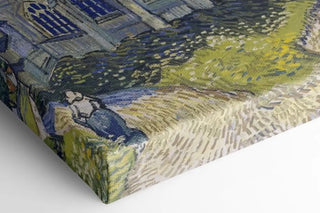
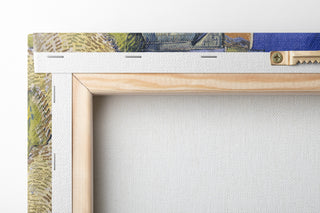
View from behind
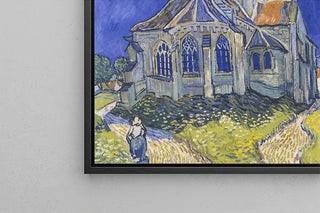
Frame (optional)
In the vast panorama of art history, certain works stand out for their ability to combine beauty and knowledge. "Art print on toxic plants Pl72 - Friedrich Berge" is one of those creations that captivate with their depth and richness. This piece, both scientific and artistic, immerses us in a universe where nature reveals itself in a way that is both fascinating and unsettling. By presenting us with plants with formidable virtues, Berge manages to capture the viewer's attention while inviting reflection on the mysteries of botany. This artwork is an entry point into a world where every color, every shape tells a story—a warning about the dangers that the wonders of nature can conceal.
Style and uniqueness of the work
Friedrich Berge's work is distinguished by its meticulous and detailed approach. The artist's style, imbued with realism, highlights the precision of forms and colors, offering a faithful representation of plants. Every leaf, every petal is rendered with such delicacy that one could almost feel their texture. Berge does not merely depict plants; he anthropomorphizes them, giving them an almost living dimension. The color palette, both rich and nuanced, evokes the subtleties of nature while emphasizing the potentially dangerous character of these species. This play of light and shadow accentuates the contrast between the apparent beauty of the plants and their toxicity, creating a visual tension that captivates the eye. The choice of meticulous details and the harmony of colors make this artwork a true masterpiece, at the crossroads of art and science.
The artist and his influence
Friedrich Berge is an artist whose work is set within a rich historical context, where the study of nature and scientific curiosity are at their peak. Living in a time when botany was experiencing significant growth, he knew how to capture this passion for plants and transmit it through his art. Berge draws inspiration from great naturalist traditions while infusing them with a personal touch. His influence is felt not only in the field of art but also in science, where his illustrations contribute
Painting Livre sur les plantes toxiques Pl72 - Friedrich Berge | Art print

-10% FROM €95 IN PURCHASES
-15% FROM €195 IN PURCHASES
Regular price
- Unit price
- by
Free shipping
€4.90 / Free shipping on orders over €39
Satisfied or Money Back
Free returns within 30 days
10-year warranty
Our prints are guaranteed for 10 years
Any questions? We are here!
by email to contact@artemlegrand.com
THE STEPS OF YOUR ORDER

STEP 1 - ORDER PLACED
Your order has been confirmed and we are starting production
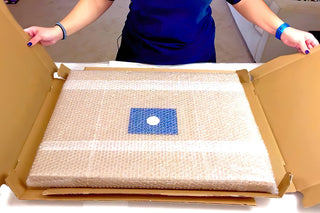
STEP 2 - SHIPPING
We ship your order. We send you an email to track the progress

STEP 3 - DELIVERY
You receive your order. You can also, according to your choice, be delivered to a relay point.
Matte finish
View from behind
Frame (optional)
In the vast panorama of art history, certain works stand out for their ability to combine beauty and knowledge. "Art print on toxic plants Pl72 - Friedrich Berge" is one of those creations that captivate with their depth and richness. This piece, both scientific and artistic, immerses us in a universe where nature reveals itself in a way that is both fascinating and unsettling. By presenting us with plants with formidable virtues, Berge manages to capture the viewer's attention while inviting reflection on the mysteries of botany. This artwork is an entry point into a world where every color, every shape tells a story—a warning about the dangers that the wonders of nature can conceal.
Style and uniqueness of the work
Friedrich Berge's work is distinguished by its meticulous and detailed approach. The artist's style, imbued with realism, highlights the precision of forms and colors, offering a faithful representation of plants. Every leaf, every petal is rendered with such delicacy that one could almost feel their texture. Berge does not merely depict plants; he anthropomorphizes them, giving them an almost living dimension. The color palette, both rich and nuanced, evokes the subtleties of nature while emphasizing the potentially dangerous character of these species. This play of light and shadow accentuates the contrast between the apparent beauty of the plants and their toxicity, creating a visual tension that captivates the eye. The choice of meticulous details and the harmony of colors make this artwork a true masterpiece, at the crossroads of art and science.
The artist and his influence
Friedrich Berge is an artist whose work is set within a rich historical context, where the study of nature and scientific curiosity are at their peak. Living in a time when botany was experiencing significant growth, he knew how to capture this passion for plants and transmit it through his art. Berge draws inspiration from great naturalist traditions while infusing them with a personal touch. His influence is felt not only in the field of art but also in science, where his illustrations contribute