
Painting Livre des plantes toxiques Pl63 - Friedrich Berge | Art print


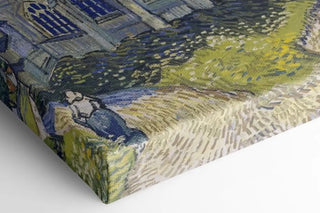
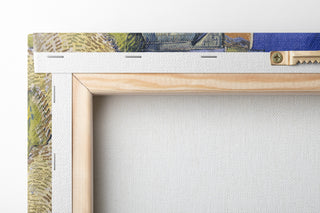
View from behind
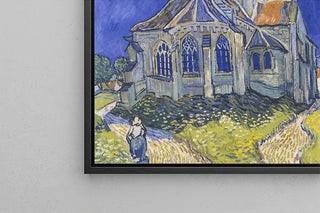
Frame (optional)
In the fascinating universe of art history, some works stand out for their ability to combine science and aesthetics. The art print of the "Livre des plantes toxiques Pl63" by Friedrich Berge is a perfect example. This piece, at the crossroads between botany and art, immerses us in a world where each plant is an enigma, a beauty that is both enchanting and formidable. Through its illustrations, Berge invites us to explore the mysteries of plants, while awakening our curiosity about the dangers that some of them may pose. The delicacy of the lines and the precision of the colors captivate the eye, evoking admiration mixed with respect for nature.
Style and uniqueness of the work
Friedrich Berge's work is characterized by meticulous style and attention to detail that give it an undeniable singularity. Each illustration is the result of rigorous observation, where the beauty of forms is combined with a faithful representation of botanical characteristics. The colors, subtly chosen, evoke the richness of shades found in the plant kingdom, while suggesting a sometimes dark atmosphere, reflecting the dangers that these plants may hide. Berge succeeds in creating a dialogue between art and science, where each page becomes an invitation to contemplation. The compositions are both balanced and dynamic, captivating the viewer and encouraging a deeper exploration of the subtleties of each plant.
The artist and his influence
Friedrich Berge, artist and botanist, managed to combine his two passions to create a work that transcends genres. His unique approach allowed him to stand out in the artistic landscape of the 19th century, where botanical illustration was flourishing. Berge influenced many artists and scientists, inspiring a new generation to take an interest in the beauty of plants and their representation. His work bears witness to an era when art and science were closely linked, and when nature was seen as an inexhaustible source of inspiration. Through his illustrations, he not only documented plant species but also contributed to raising awareness about the dangers that some of them may present, a topical subject that
Painting Livre des plantes toxiques Pl63 - Friedrich Berge | Art print

-10% FROM €95 IN PURCHASES
-15% FROM €195 IN PURCHASES
Regular price
- Unit price
- by
Free shipping
€4.90 / Free shipping on orders over €39
Satisfied or Money Back
Free returns within 30 days
10-year warranty
Our prints are guaranteed for 10 years
Any questions? We are here!
by email to contact@artemlegrand.com
THE STEPS OF YOUR ORDER

STEP 1 - ORDER PLACED
Your order has been confirmed and we are starting production
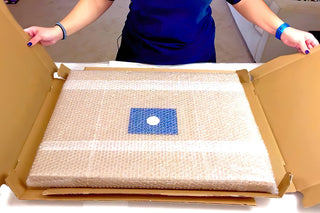
STEP 2 - SHIPPING
We ship your order. We send you an email to track the progress

STEP 3 - DELIVERY
You receive your order. You can also, according to your choice, be delivered to a relay point.
Matte finish
View from behind
Frame (optional)
In the fascinating universe of art history, some works stand out for their ability to combine science and aesthetics. The art print of the "Livre des plantes toxiques Pl63" by Friedrich Berge is a perfect example. This piece, at the crossroads between botany and art, immerses us in a world where each plant is an enigma, a beauty that is both enchanting and formidable. Through its illustrations, Berge invites us to explore the mysteries of plants, while awakening our curiosity about the dangers that some of them may pose. The delicacy of the lines and the precision of the colors captivate the eye, evoking admiration mixed with respect for nature.
Style and uniqueness of the work
Friedrich Berge's work is characterized by meticulous style and attention to detail that give it an undeniable singularity. Each illustration is the result of rigorous observation, where the beauty of forms is combined with a faithful representation of botanical characteristics. The colors, subtly chosen, evoke the richness of shades found in the plant kingdom, while suggesting a sometimes dark atmosphere, reflecting the dangers that these plants may hide. Berge succeeds in creating a dialogue between art and science, where each page becomes an invitation to contemplation. The compositions are both balanced and dynamic, captivating the viewer and encouraging a deeper exploration of the subtleties of each plant.
The artist and his influence
Friedrich Berge, artist and botanist, managed to combine his two passions to create a work that transcends genres. His unique approach allowed him to stand out in the artistic landscape of the 19th century, where botanical illustration was flourishing. Berge influenced many artists and scientists, inspiring a new generation to take an interest in the beauty of plants and their representation. His work bears witness to an era when art and science were closely linked, and when nature was seen as an inexhaustible source of inspiration. Through his illustrations, he not only documented plant species but also contributed to raising awareness about the dangers that some of them may present, a topical subject that