
Art print Livre des plantes toxiques Pl22 - Friedrich Berge


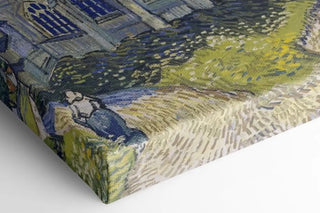
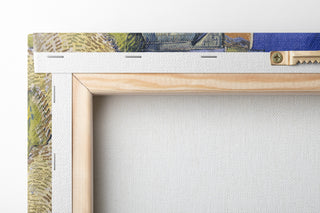
View from behind
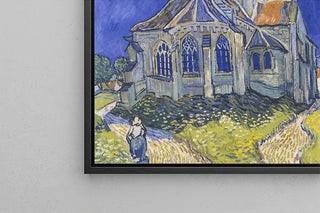
Frame (optional)
In the vast universe of botanical art, the "Art print of Toxic Plants Book Pl22" by Friedrich Berge stands out for its captivating and scholarly approach. This piece, which blends science and aesthetics, draws the eye with its meticulous depiction of poisonous flora. Delving into this work, one discovers not only a striking illustration but also a reflection on the duality of nature, both a source of life and danger. The delicacy of the lines, combined with a subtle color palette, evokes a world where each plant tells a story, a legend, a warning. This artwork aims to invite viewers to explore the mysteries of the plant kingdom while awakening curiosity about the unknown.
Style and uniqueness of the work
Friedrich Berge's style in "Art print of Toxic Plants Book Pl22" is characterized by remarkable precision and meticulous attention to detail. Each plant is depicted with scientific rigor that does not sacrifice aesthetics. The delicate shapes of leaves and flowers, combined with shades of green, violet, and red, create a captivating visual harmony. Berge manages to capture not only the physical appearance of the plants but also their essence. This piece stands out for its ability to evoke emotion, to foster a dialogue between the observer and nature. The choice of toxic plants, far from being trivial, reinforces this idea of dangerous beauty, reminding us that some of nature's wonders can hide deadly secrets.
The artist and his influence
Friedrich Berge, artist and botanist, skillfully combined his two passions to create works that transcend simple illustration. His unique approach to botanical art has influenced many contemporary artists, who see in him a pioneer of a new way of approaching nature. Berge does not merely depict plants; he immortalizes them in a visual language that speaks to both scientists and art enthusiasts. His work is a celebration of biodiversity, while highlighting the dangers that certain species can pose. By fitting into a tradition of botanical illustration, he manages to reinvent it, transforming it into
Art print Livre des plantes toxiques Pl22 - Friedrich Berge

-10% FROM €95 IN PURCHASES
-15% FROM €195 IN PURCHASES
Regular price
- Unit price
- per
Tax included.
Free shipping
€4.90 / Free shipping on orders over €39
Satisfied or Money Back
Free returns within 30 days
10-year warranty
Our prints are guaranteed for 10 years
Any questions? We are here!
by email to contact@artemlegrand.com
THE STEPS OF YOUR ORDER

STEP 1 - ORDER PLACED
Your order has been confirmed and we are starting production
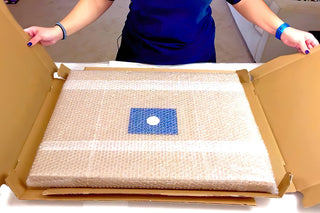
STEP 2 - SHIPPING
We ship your order. We send you an email to track the progress

STEP 3 - DELIVERY
You receive your order. You can also, according to your choice, be delivered to a relay point.
Matte finish
View from behind
Frame (optional)
In the vast universe of botanical art, the "Art print of Toxic Plants Book Pl22" by Friedrich Berge stands out for its captivating and scholarly approach. This piece, which blends science and aesthetics, draws the eye with its meticulous depiction of poisonous flora. Delving into this work, one discovers not only a striking illustration but also a reflection on the duality of nature, both a source of life and danger. The delicacy of the lines, combined with a subtle color palette, evokes a world where each plant tells a story, a legend, a warning. This artwork aims to invite viewers to explore the mysteries of the plant kingdom while awakening curiosity about the unknown.
Style and uniqueness of the work
Friedrich Berge's style in "Art print of Toxic Plants Book Pl22" is characterized by remarkable precision and meticulous attention to detail. Each plant is depicted with scientific rigor that does not sacrifice aesthetics. The delicate shapes of leaves and flowers, combined with shades of green, violet, and red, create a captivating visual harmony. Berge manages to capture not only the physical appearance of the plants but also their essence. This piece stands out for its ability to evoke emotion, to foster a dialogue between the observer and nature. The choice of toxic plants, far from being trivial, reinforces this idea of dangerous beauty, reminding us that some of nature's wonders can hide deadly secrets.
The artist and his influence
Friedrich Berge, artist and botanist, skillfully combined his two passions to create works that transcend simple illustration. His unique approach to botanical art has influenced many contemporary artists, who see in him a pioneer of a new way of approaching nature. Berge does not merely depict plants; he immortalizes them in a visual language that speaks to both scientists and art enthusiasts. His work is a celebration of biodiversity, while highlighting the dangers that certain species can pose. By fitting into a tradition of botanical illustration, he manages to reinvent it, transforming it into
12,34 €