
Art print Tour ou la logette dite de Calvin ancien collège de Fortet vue de la place du Panthéon - Georges-Henri Manesse


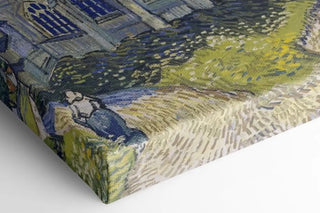
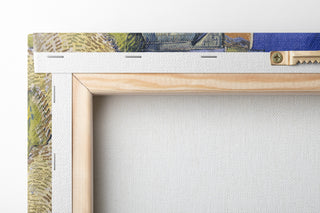
View from behind
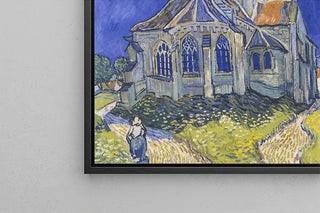
Frame (optional)
Tour or the so-called Calvin logette at the former Fortet college, viewed from Place du Panthéon - Georges-Henri Manesse – Captivating introduction
In the artistic landscape of the 19th century, Georges-Henri Manesse's painting stands out for its elegance and depth. The art print of "Tour or the so-called Calvin logette at the former Fortet college, viewed from Place du Panthéon" transports the viewer on a visual journey into the heart of Paris, where architecture and history converge. This painting, with its careful composition and nostalgic atmosphere, evokes not only an iconic place but also a moment of reflection on the past. Beyond mere representation, Manesse succeeds in capturing the very essence of a space charged with memory, inviting the viewer to question the stories hidden behind each stone.
Style and uniqueness of the work
The uniqueness of Manesse's work lies in his ability to combine realism and poetry. In this art print, the architectural details of the former Fortet college are rendered with remarkable precision, while the overall ambiance is imbued with an almost dreamlike softness. The light, carefully orchestrated, plays a crucial role, illuminating the facades and creating delicate shadows that add an almost living dimension to the painting. The colors, subtly nuanced, evoke a palette of warm tones, enhancing the sensation of warmth and intimacy emanating from the scene. Manesse, through his style, manages to dialogue between the past and the present, offering a vision that is both historical and contemporary of an iconic place.
The artist and his influence
Georges-Henri Manesse, though less known than some of his contemporaries, has left an indelible mark on the art world. His work is characterized by a constant quest for beauty and harmony, inspired by the great masters of classical painting while incorporating modern elements. His delicate approach to light and color influenced many artists of his time, who saw in him a model of sensitivity and finesse. Manesse also took an interest in the depiction of urban landscapes, capturing with brilliance the essence of Parisian life through
Art print Tour ou la logette dite de Calvin ancien collège de Fortet vue de la place du Panthéon - Georges-Henri Manesse

-10% FROM €95 IN PURCHASES
-15% FROM €195 IN PURCHASES
Regular price
- Unit price
- per
Tax included.
Free shipping
€4.90 / Free shipping on orders over €39
Satisfied or Money Back
Free returns within 30 days
10-year warranty
Our prints are guaranteed for 10 years
Any questions? We are here!
by email to contact@artemlegrand.com
THE STEPS OF YOUR ORDER

STEP 1 - ORDER PLACED
Your order has been confirmed and we are starting production
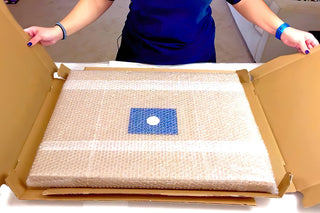
STEP 2 - SHIPPING
We ship your order. We send you an email to track the progress

STEP 3 - DELIVERY
You receive your order. You can also, according to your choice, be delivered to a relay point.
Matte finish
View from behind
Frame (optional)
Tour or the so-called Calvin logette at the former Fortet college, viewed from Place du Panthéon - Georges-Henri Manesse – Captivating introduction
In the artistic landscape of the 19th century, Georges-Henri Manesse's painting stands out for its elegance and depth. The art print of "Tour or the so-called Calvin logette at the former Fortet college, viewed from Place du Panthéon" transports the viewer on a visual journey into the heart of Paris, where architecture and history converge. This painting, with its careful composition and nostalgic atmosphere, evokes not only an iconic place but also a moment of reflection on the past. Beyond mere representation, Manesse succeeds in capturing the very essence of a space charged with memory, inviting the viewer to question the stories hidden behind each stone.
Style and uniqueness of the work
The uniqueness of Manesse's work lies in his ability to combine realism and poetry. In this art print, the architectural details of the former Fortet college are rendered with remarkable precision, while the overall ambiance is imbued with an almost dreamlike softness. The light, carefully orchestrated, plays a crucial role, illuminating the facades and creating delicate shadows that add an almost living dimension to the painting. The colors, subtly nuanced, evoke a palette of warm tones, enhancing the sensation of warmth and intimacy emanating from the scene. Manesse, through his style, manages to dialogue between the past and the present, offering a vision that is both historical and contemporary of an iconic place.
The artist and his influence
Georges-Henri Manesse, though less known than some of his contemporaries, has left an indelible mark on the art world. His work is characterized by a constant quest for beauty and harmony, inspired by the great masters of classical painting while incorporating modern elements. His delicate approach to light and color influenced many artists of his time, who saw in him a model of sensitivity and finesse. Manesse also took an interest in the depiction of urban landscapes, capturing with brilliance the essence of Parisian life through
12,34 €