
Art print Tibulle se lamentant devant la porte de sa bien-aimée - Nicolai Abildgaard


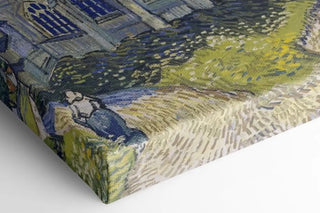
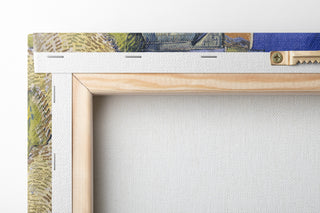
View from behind
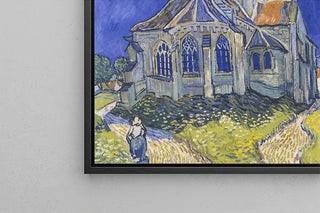
Frame (optional)
Discover the captivating art print "Tibulle se lamentant devant la porte de sa bien-aimée" by Nicolai Abildgaard. This evocative piece transports us into the depths of Roman poet Tibulle's romantic anguish. Rich in profound emotion, it captures the intensity of human passions and the pain of waiting. Through delicate brushstrokes and subtle nuances, Abildgaard masterfully conveys the very essence of love's suffering, allowing viewers to feel the sadness and nostalgia emanating from this scene. The composition, marked by a striking contrast between light and shadow, emphasizes the solitude of the main character, creating a poignant and immersive atmosphere.
Style and uniqueness of the art print
Abildgaard's style stands out for its ability to blend classicism and romanticism, offering a unique vision of human emotion. In "Tibulle se lamenting devant la porte de sa bien-aimée," meticulous details and fine lines highlight the depth of feelings. The poet's posture, bent and despairing, is accentuated by dark colors and shadows that envelop his face, while subtly directed light highlights elements of his environment. The door, a symbol of hope and waiting, becomes almost a character in its own right, reinforcing the idea of inaccessible love. This stylistic choice, combined with theatrical staging, immerses us in a universe where every glance and gesture tells a tragic love story.
The artist and his influence
Nicolai Abildgaard, an emblematic figure of Danish romanticism, left a lasting mark on his era through an innovative approach to painting. Influenced by the great masters of the Renaissance and Baroque periods, he developed a distinctive style that combines heightened sensitivity with rigorous technique. Abildgaard also explored mythology and literature, drawing inspiration from poets like Tibulle to enrich his work. His influence has had a significant impact on subsequent generations of artists, who saw in him a pioneer of romanticism.
Art print Tibulle se lamentant devant la porte de sa bien-aimée - Nicolai Abildgaard

-10% FROM €95 IN PURCHASES
-15% FROM €195 IN PURCHASES
Regular price
- Unit price
- per
Tax included.
Free shipping
€4.90 / Free shipping on orders over €39
Satisfied or Money Back
Free returns within 30 days
10-year warranty
Our prints are guaranteed for 10 years
Any questions? We are here!
by email to contact@artemlegrand.com
THE STEPS OF YOUR ORDER

STEP 1 - ORDER PLACED
Your order has been confirmed and we are starting production
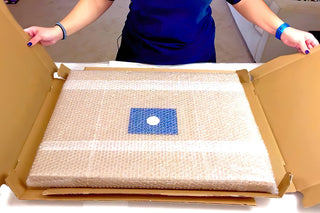
STEP 2 - SHIPPING
We ship your order. We send you an email to track the progress

STEP 3 - DELIVERY
You receive your order. You can also, according to your choice, be delivered to a relay point.
Matte finish
View from behind
Frame (optional)
Discover the captivating art print "Tibulle se lamentant devant la porte de sa bien-aimée" by Nicolai Abildgaard. This evocative piece transports us into the depths of Roman poet Tibulle's romantic anguish. Rich in profound emotion, it captures the intensity of human passions and the pain of waiting. Through delicate brushstrokes and subtle nuances, Abildgaard masterfully conveys the very essence of love's suffering, allowing viewers to feel the sadness and nostalgia emanating from this scene. The composition, marked by a striking contrast between light and shadow, emphasizes the solitude of the main character, creating a poignant and immersive atmosphere.
Style and uniqueness of the art print
Abildgaard's style stands out for its ability to blend classicism and romanticism, offering a unique vision of human emotion. In "Tibulle se lamenting devant la porte de sa bien-aimée," meticulous details and fine lines highlight the depth of feelings. The poet's posture, bent and despairing, is accentuated by dark colors and shadows that envelop his face, while subtly directed light highlights elements of his environment. The door, a symbol of hope and waiting, becomes almost a character in its own right, reinforcing the idea of inaccessible love. This stylistic choice, combined with theatrical staging, immerses us in a universe where every glance and gesture tells a tragic love story.
The artist and his influence
Nicolai Abildgaard, an emblematic figure of Danish romanticism, left a lasting mark on his era through an innovative approach to painting. Influenced by the great masters of the Renaissance and Baroque periods, he developed a distinctive style that combines heightened sensitivity with rigorous technique. Abildgaard also explored mythology and literature, drawing inspiration from poets like Tibulle to enrich his work. His influence has had a significant impact on subsequent generations of artists, who saw in him a pioneer of romanticism.
12,34 €