
Art print of a three-quarter portrait of a man in an oriental robe - Isaac de Jouderville


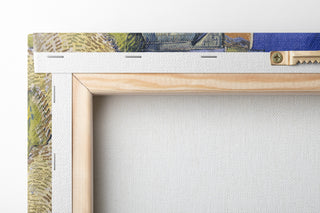
View from behind
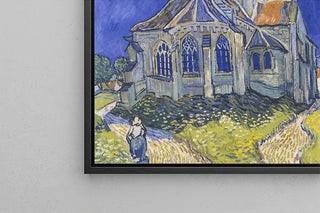
Frame (optional)
In the vast panorama of art history, some artworks stand out not only for their technique but also for the stories they tell. "A three-quarter man in an oriental robe" by Isaac de Jouderville falls into this category. This painting, rich in narrative depth, transports us to a world where oriental costumes meet European influences, thus revealing the cultural exchanges that marked the 19th century. The posture of the figure, slightly turned, suggests a certain introspection, while the meticulous details of his robe offer a fascinating glimpse into the textiles and patterns of the era. This artwork is not merely a representation but an invitation to explore the hidden stories behind each brushstroke.
Style and uniqueness of the work
Isaac de Jouderville's style is distinguished by his ability to blend realism and orientalism. In "A three-quarter man in an oriental robe," vibrant colors and delicate textures intertwine to create an atmosphere that is both intimate and mysterious. The subtly orchestrated light accentuates the folds of the robe and highlights the features of the protagonist's face, giving the entire piece rare emotional depth. The artist skillfully plays with shadows and highlights, creating a visual interplay that captures the eye and invites contemplation. This artwork also reflects the concerns of its time, when the Orient fascinated and inspired Western artists. Jouderville manages to capture this fascination while bringing his own sensitivity, giving the piece an undeniable singularity.
The artist and his influence
Isaac de Jouderville, an emblematic figure of 19th-century painting, is often recognized for his ability to capture the essence of the cultures he depicts. Influenced by travels and intercultural exchanges of his time, he successfully integrated oriental elements into his work while remaining faithful to European artistic techniques. His career, marked by numerous exhibitions, allowed him to establish himself as an essential artist of his era. Jouderville did not only paint portraits; he also contributed to a better understanding of oriental cultures.
Art print of a three-quarter portrait of a man in an oriental robe - Isaac de Jouderville

-10% FROM €95 IN PURCHASES
-15% FROM €195 IN PURCHASES
Regular price
- Unit price
- per
Tax included.
Free shipping
€4.90 / Free shipping on orders over €39
Satisfied or Money Back
Free returns within 30 days
10-year warranty
Our prints are guaranteed for 10 years
Any questions? We are here!
by email to contact@artemlegrand.com
THE STEPS OF YOUR ORDER

STEP 1 - ORDER PLACED
Your order has been confirmed and we are starting production
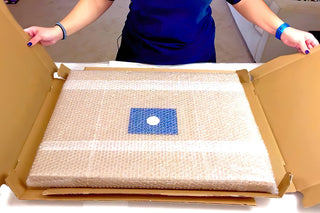
STEP 2 - SHIPPING
We ship your order. We send you an email to track the progress

STEP 3 - DELIVERY
You receive your order. You can also, according to your choice, be delivered to a relay point.
Matte finish
View from behind
Frame (optional)
In the vast panorama of art history, some artworks stand out not only for their technique but also for the stories they tell. "A three-quarter man in an oriental robe" by Isaac de Jouderville falls into this category. This painting, rich in narrative depth, transports us to a world where oriental costumes meet European influences, thus revealing the cultural exchanges that marked the 19th century. The posture of the figure, slightly turned, suggests a certain introspection, while the meticulous details of his robe offer a fascinating glimpse into the textiles and patterns of the era. This artwork is not merely a representation but an invitation to explore the hidden stories behind each brushstroke.
Style and uniqueness of the work
Isaac de Jouderville's style is distinguished by his ability to blend realism and orientalism. In "A three-quarter man in an oriental robe," vibrant colors and delicate textures intertwine to create an atmosphere that is both intimate and mysterious. The subtly orchestrated light accentuates the folds of the robe and highlights the features of the protagonist's face, giving the entire piece rare emotional depth. The artist skillfully plays with shadows and highlights, creating a visual interplay that captures the eye and invites contemplation. This artwork also reflects the concerns of its time, when the Orient fascinated and inspired Western artists. Jouderville manages to capture this fascination while bringing his own sensitivity, giving the piece an undeniable singularity.
The artist and his influence
Isaac de Jouderville, an emblematic figure of 19th-century painting, is often recognized for his ability to capture the essence of the cultures he depicts. Influenced by travels and intercultural exchanges of his time, he successfully integrated oriental elements into his work while remaining faithful to European artistic techniques. His career, marked by numerous exhibitions, allowed him to establish himself as an essential artist of his era. Jouderville did not only paint portraits; he also contributed to a better understanding of oriental cultures.
12,34 €