
Painting Thomas Hopkinson - Robert Feke | Art print Source: Tableau Thomas Hopkinson - Robert Feke | Reproduction


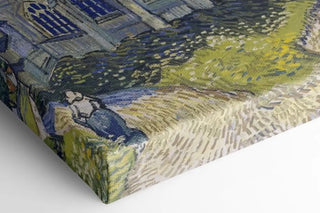
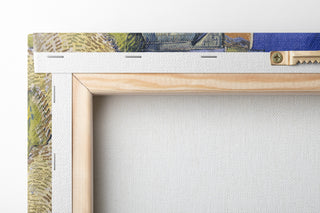
View from behind
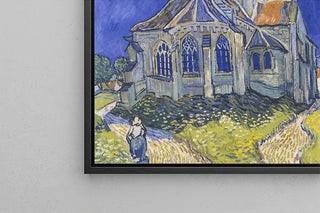
Frame (optional)
Thomas Hopkinson - Robert Feke Art print – Captivating introduction
The artwork "Thomas Hopkinson - Robert Feke" is part of a fascinating period in art history, marked by the emergence of new movements and a redefinition of aesthetic values. This painting, which depicts a portrait of remarkable finesse, immerses us in the 18th century universe, a time when art intertwined with science and philosophy. Through this portrait, Feke manages to capture not only the physical features of his subject but also their essence, aspirations, and social status. Contemplating this piece invites the viewer to reflect on the role of the individual in their society, while appreciating the artist's technical mastery.
Style and uniqueness of the artwork
Robert Feke's style is distinguished by a realistic approach and meticulous attention to detail. In "Thomas Hopkinson," every element, from the drapery of the clothing to the light caressing the subject's face, demonstrates remarkable skill. The colors, both soft and vibrant, create an intimate atmosphere, inviting the viewer to come closer and immerse themselves in the depicted world. Feke uses subtle lighting to emphasize the features of his model, thus highlighting the psychological depth of the character. This portrait does not merely depict a man; it tells a story, that of a time when identity and social status were often defined by appearance. The artwork is a true testament to 18th-century portrait art, where every detail matters and contributes to visual storytelling.
The artist and his influence
Robert Feke, an American artist of the 18th century, left his mark on his era with his distinctive style and ability to capture the essence of his subjects. Trained in a context where portraiture was a highly valued artistic genre, he established himself through his refined technique and keen observational skills. Feke was one of the first American artists to gain recognition outside his country's borders, thus contributing to the rise of portrait painting in America. His influence is evident among many artists who followed him, seeking to imitate his realistic approach and his capacity to create portraits imbued
Painting Thomas Hopkinson - Robert Feke | Art print Source: Tableau Thomas Hopkinson - Robert Feke | Reproduction

-10% FROM €95 IN PURCHASES
-15% FROM €195 IN PURCHASES
Regular price
- Unit price
- per
Tax included.
Free shipping
€4.90 / Free shipping on orders over €39
Satisfied or Money Back
Free returns within 30 days
10-year warranty
Our prints are guaranteed for 10 years
Any questions? We are here!
by email to contact@artemlegrand.com
THE STEPS OF YOUR ORDER

STEP 1 - ORDER PLACED
Your order has been confirmed and we are starting production
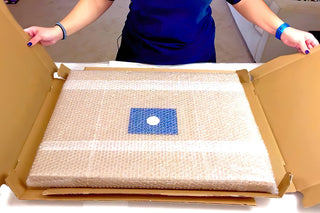
STEP 2 - SHIPPING
We ship your order. We send you an email to track the progress

STEP 3 - DELIVERY
You receive your order. You can also, according to your choice, be delivered to a relay point.
Matte finish
View from behind
Frame (optional)
Thomas Hopkinson - Robert Feke Art print – Captivating introduction
The artwork "Thomas Hopkinson - Robert Feke" is part of a fascinating period in art history, marked by the emergence of new movements and a redefinition of aesthetic values. This painting, which depicts a portrait of remarkable finesse, immerses us in the 18th century universe, a time when art intertwined with science and philosophy. Through this portrait, Feke manages to capture not only the physical features of his subject but also their essence, aspirations, and social status. Contemplating this piece invites the viewer to reflect on the role of the individual in their society, while appreciating the artist's technical mastery.
Style and uniqueness of the artwork
Robert Feke's style is distinguished by a realistic approach and meticulous attention to detail. In "Thomas Hopkinson," every element, from the drapery of the clothing to the light caressing the subject's face, demonstrates remarkable skill. The colors, both soft and vibrant, create an intimate atmosphere, inviting the viewer to come closer and immerse themselves in the depicted world. Feke uses subtle lighting to emphasize the features of his model, thus highlighting the psychological depth of the character. This portrait does not merely depict a man; it tells a story, that of a time when identity and social status were often defined by appearance. The artwork is a true testament to 18th-century portrait art, where every detail matters and contributes to visual storytelling.
The artist and his influence
Robert Feke, an American artist of the 18th century, left his mark on his era with his distinctive style and ability to capture the essence of his subjects. Trained in a context where portraiture was a highly valued artistic genre, he established himself through his refined technique and keen observational skills. Feke was one of the first American artists to gain recognition outside his country's borders, thus contributing to the rise of portrait painting in America. His influence is evident among many artists who followed him, seeking to imitate his realistic approach and his capacity to create portraits imbued
12,34 €