
Art print of the young Emperor Franz Joseph I - Moritz Michael Daffinger


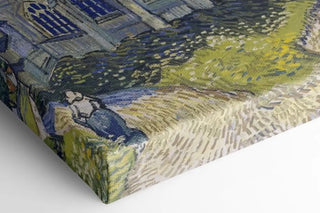
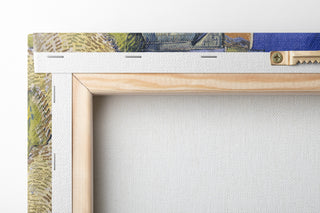
View from behind
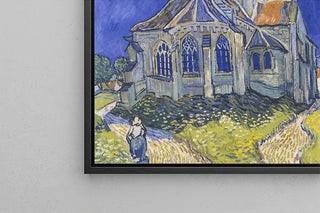
Frame (optional)
In the 19th-century artistic landscape, the art print "Le jeune empereur François-Joseph Ier" by Moritz Michael Daffinger stands out for its depth and elegance. This portrait, capturing the youth and determination of the emperor, evokes a pivotal period in European history, marked by political and social upheavals. Through this art print, the viewer is transported into the universe of a monarchy in full transformation, where power and culture intertwine in a delicate dance. The depiction of the young sovereign, both majestic and intimate, invites reflection on the nature of leadership and legacy.
Style and uniqueness of the work
Daffinger, with his unparalleled talent for portraiture, manages to infuse a palpable life into his subject. The composition of the piece is carefully orchestrated, highlighting the delicate features of the young emperor while bestowing upon him an aura of dignity. The colors, chosen with care, play a fundamental role in conveying emotions. The subtle shades of blue and gold, adorning the imperial attire, reveal not only François-Joseph's high status but also the artist's technical skill. Each brushstroke seems to tell a story; every shadow and light combine to create an atmosphere that is both solemn and accessible. Thus, this art print does not merely depict a historical figure; it invites immersion into the very soul of the era.
The artist and his influence
Moritz Michael Daffinger, born in 1790, was an Austrian painter whose work profoundly impacted the artistic landscape of his time. Trained in Vienna ateliers, he mastered the balance between tradition and innovation, drawing inspiration from masters while developing a distinctive style. His ability to capture the psychology of his subjects, especially through portraits, made him a key figure in Austrian art. Daffinger influenced many contemporary artists and paved the way for a new approach to portraiture, where individuality and emotion take precedence over mere representation. His work on the
Art print of the young Emperor Franz Joseph I - Moritz Michael Daffinger

-10% FROM €95 IN PURCHASES
-15% FROM €195 IN PURCHASES
Regular price
- Unit price
- per
Tax included.
Free shipping
€4.90 / Free shipping on orders over €39
Satisfied or Money Back
Free returns within 30 days
10-year warranty
Our prints are guaranteed for 10 years
Any questions? We are here!
by email to contact@artemlegrand.com
THE STEPS OF YOUR ORDER
STEP 1 - ORDER PLACED
Your order has been confirmed and we are starting production
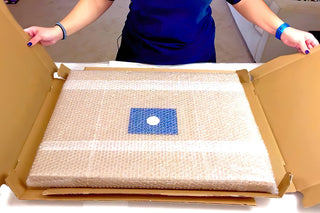
STEP 2 - SHIPPING
We ship your order. We send you an email to track the progress

STEP 3 - DELIVERY
You receive your order. You can also, according to your choice, be delivered to a relay point.
Matte finish
View from behind
Frame (optional)
In the 19th-century artistic landscape, the art print "Le jeune empereur François-Joseph Ier" by Moritz Michael Daffinger stands out for its depth and elegance. This portrait, capturing the youth and determination of the emperor, evokes a pivotal period in European history, marked by political and social upheavals. Through this art print, the viewer is transported into the universe of a monarchy in full transformation, where power and culture intertwine in a delicate dance. The depiction of the young sovereign, both majestic and intimate, invites reflection on the nature of leadership and legacy.
Style and uniqueness of the work
Daffinger, with his unparalleled talent for portraiture, manages to infuse a palpable life into his subject. The composition of the piece is carefully orchestrated, highlighting the delicate features of the young emperor while bestowing upon him an aura of dignity. The colors, chosen with care, play a fundamental role in conveying emotions. The subtle shades of blue and gold, adorning the imperial attire, reveal not only François-Joseph's high status but also the artist's technical skill. Each brushstroke seems to tell a story; every shadow and light combine to create an atmosphere that is both solemn and accessible. Thus, this art print does not merely depict a historical figure; it invites immersion into the very soul of the era.
The artist and his influence
Moritz Michael Daffinger, born in 1790, was an Austrian painter whose work profoundly impacted the artistic landscape of his time. Trained in Vienna ateliers, he mastered the balance between tradition and innovation, drawing inspiration from masters while developing a distinctive style. His ability to capture the psychology of his subjects, especially through portraits, made him a key figure in Austrian art. Daffinger influenced many contemporary artists and paved the way for a new approach to portraiture, where individuality and emotion take precedence over mere representation. His work on the
12,34 €