
Painting The Lumberjack - George Loring Brown | Art print


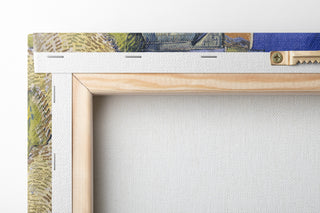
View from behind
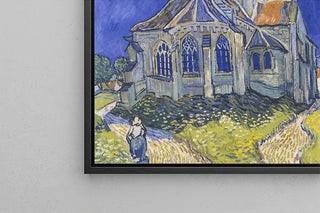
Frame (optional)
In the vast panorama of art history, certain works stand out for their ability to capture the essence of a moment, an emotion, or a landscape. "The Lumberjack" by George Loring Brown is one of those pieces that, through its striking depiction of nature and human effort, transports us to a world where harmony between man and his environment is palpable. This artwork, imbued with realism, invites deep contemplation, revealing the subtleties of a scene from everyday life that, under Brown's brush, becomes a true ode to the strength and beauty of labor.
Style and uniqueness of the work
George Loring Brown's style is characterized by meticulous realism, where every detail is carefully crafted to create an immersive atmosphere. In "The Lumberjack," the choice of colors, ranging from the deep greens of the trees to the warm browns of the wood, evokes a vibrant and lively nature. Light plays a crucial role in this composition, illuminating the lumberjack's face and accentuating the textures of the wood he handles. Brown manages to convey not only the physicality of the work but also the dignity of the man engaged in it. The lumberjack's gestures, both powerful and graceful, express an intimate connection with nature, highlighting the harmony that can exist between man and his environment. This artwork does not merely depict a scene; it tells a story, that of a man in symbiosis with the forest around him.
The artist and his influence
George Loring Brown, an American painter of the 19th century, established himself in the art world through his unique approach to landscape and genre. Trained at the Pennsylvania Academy of the Fine Arts, he was influenced by European realism masters, while developing a distinctive style that reflects the particularities of American nature. His work is marked by a keen attention to detail and an ability to capture light in a way that brings his landscapes to life. Brown was also a pioneer in the use of color to evoke emotions, a technique that inspired many artists of his
Painting The Lumberjack - George Loring Brown | Art print

-10% FROM €95 IN PURCHASES
-15% FROM €195 IN PURCHASES
Regular price
- Unit price
- per
Tax included.
Free shipping
€4.90 / Free shipping on orders over €39
Satisfied or Money Back
Free returns within 30 days
10-year warranty
Our prints are guaranteed for 10 years
Any questions? We are here!
by email to contact@artemlegrand.com
THE STEPS OF YOUR ORDER

STEP 1 - ORDER PLACED
Your order has been confirmed and we are starting production

STEP 2 - SHIPPING
We ship your order. We send you an email to track the progress

STEP 3 - DELIVERY
You receive your order. You can also, according to your choice, be delivered to a relay point.
Matte finish
View from behind
Frame (optional)
In the vast panorama of art history, certain works stand out for their ability to capture the essence of a moment, an emotion, or a landscape. "The Lumberjack" by George Loring Brown is one of those pieces that, through its striking depiction of nature and human effort, transports us to a world where harmony between man and his environment is palpable. This artwork, imbued with realism, invites deep contemplation, revealing the subtleties of a scene from everyday life that, under Brown's brush, becomes a true ode to the strength and beauty of labor.
Style and uniqueness of the work
George Loring Brown's style is characterized by meticulous realism, where every detail is carefully crafted to create an immersive atmosphere. In "The Lumberjack," the choice of colors, ranging from the deep greens of the trees to the warm browns of the wood, evokes a vibrant and lively nature. Light plays a crucial role in this composition, illuminating the lumberjack's face and accentuating the textures of the wood he handles. Brown manages to convey not only the physicality of the work but also the dignity of the man engaged in it. The lumberjack's gestures, both powerful and graceful, express an intimate connection with nature, highlighting the harmony that can exist between man and his environment. This artwork does not merely depict a scene; it tells a story, that of a man in symbiosis with the forest around him.
The artist and his influence
George Loring Brown, an American painter of the 19th century, established himself in the art world through his unique approach to landscape and genre. Trained at the Pennsylvania Academy of the Fine Arts, he was influenced by European realism masters, while developing a distinctive style that reflects the particularities of American nature. His work is marked by a keen attention to detail and an ability to capture light in a way that brings his landscapes to life. Brown was also a pioneer in the use of color to evoke emotions, a technique that inspired many artists of his
12,34 €