
Painting La Visite - Pieter de Hooch | Art print


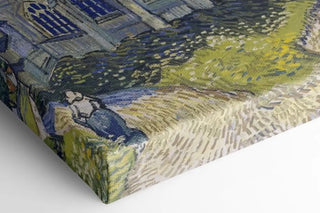
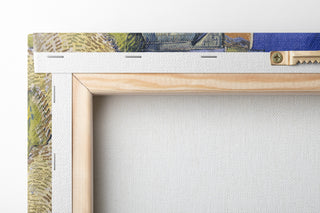
View from behind
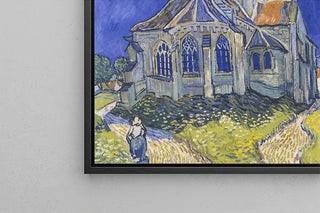
Frame (optional)
La Visite - Pieter de Hooch – Captivating Introduction
Within the rich and intricate landscape of 17th-century Dutch art, the work of Pieter de Hooch stands out for its delicacy and keen sense of light. "The Visit" perfectly embodies this aesthetic, immersing us in a bourgeois interior where daily life blends with an atmosphere of tranquility and intimacy. This painting, both simple and refined, invites us to observe a fleeting moment, a meeting between two women, captured with a precision and tenderness that touch the soul. The viewer's gaze is guided by the light filtering through an open door, creating a play of shadow and light that brings the scene to life. This art print of "The Visit - Pieter de Hooch" allows for a rediscovery of the beauty of this iconic work, while offering a glimpse into the artist's technical mastery.
Style and uniqueness of the work
Pieter de Hooch's style is often characterized by his masterful use of light and space. In "The Visit," he manages to create a warm and welcoming atmosphere, where every detail is carefully considered. Soft colors and subtle nuances give an impression of serenity, while the balanced composition guides the eye toward the center of the piece. The artist plays with perspectives, opening a window into an inner world where human interactions unfold with disarming simplicity. The characters, although frozen in time, seem animated by a rich inner life, suggesting stories and emotions beyond what is visible. This ability to capture moments of everyday life, while infusing them with an almost poetic dimension, makes this work a perfect example of De Hooch's style.
The artist and his influence
Pieter de Hooch, born in Rotterdam in 1629, established himself as one of the masters of interior landscape. His career, marked by various influences, notably those of Vermeer and Frans Hals, allowed him to develop a unique style that profoundly influenced Dutch art. Through his works, he explored themes of domesticity, intimacy, and human relationships, while integrating
Painting La Visite - Pieter de Hooch | Art print

-10% FROM €95 IN PURCHASES
-15% FROM €195 IN PURCHASES
Regular price
- Unit price
- per
Tax included.
Free shipping
€4.90 / Free shipping on orders over €39
Satisfied or Money Back
Free returns within 30 days
10-year warranty
Our prints are guaranteed for 10 years
Any questions? We are here!
by email to contact@artemlegrand.com
THE STEPS OF YOUR ORDER
STEP 1 - ORDER PLACED
Your order has been confirmed and we are starting production
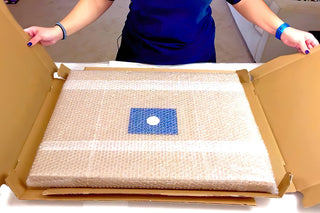
STEP 2 - SHIPPING
We ship your order. We send you an email to track the progress
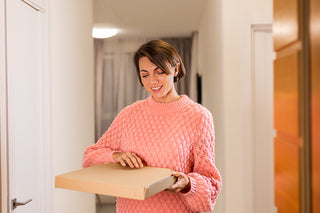
STEP 3 - DELIVERY
You receive your order. You can also, according to your choice, be delivered to a relay point.
Matte finish
View from behind
Frame (optional)
La Visite - Pieter de Hooch – Captivating Introduction
Within the rich and intricate landscape of 17th-century Dutch art, the work of Pieter de Hooch stands out for its delicacy and keen sense of light. "The Visit" perfectly embodies this aesthetic, immersing us in a bourgeois interior where daily life blends with an atmosphere of tranquility and intimacy. This painting, both simple and refined, invites us to observe a fleeting moment, a meeting between two women, captured with a precision and tenderness that touch the soul. The viewer's gaze is guided by the light filtering through an open door, creating a play of shadow and light that brings the scene to life. This art print of "The Visit - Pieter de Hooch" allows for a rediscovery of the beauty of this iconic work, while offering a glimpse into the artist's technical mastery.
Style and uniqueness of the work
Pieter de Hooch's style is often characterized by his masterful use of light and space. In "The Visit," he manages to create a warm and welcoming atmosphere, where every detail is carefully considered. Soft colors and subtle nuances give an impression of serenity, while the balanced composition guides the eye toward the center of the piece. The artist plays with perspectives, opening a window into an inner world where human interactions unfold with disarming simplicity. The characters, although frozen in time, seem animated by a rich inner life, suggesting stories and emotions beyond what is visible. This ability to capture moments of everyday life, while infusing them with an almost poetic dimension, makes this work a perfect example of De Hooch's style.
The artist and his influence
Pieter de Hooch, born in Rotterdam in 1629, established himself as one of the masters of interior landscape. His career, marked by various influences, notably those of Vermeer and Frans Hals, allowed him to develop a unique style that profoundly influenced Dutch art. Through his works, he explored themes of domesticity, intimacy, and human relationships, while integrating
12,34 €