
Art print La Vierge à l'Enfant avec le petit saint Jean - Marco Palmezzano et Atelier


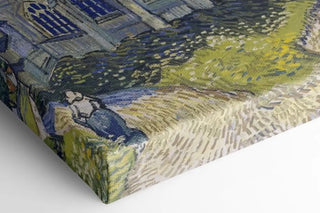
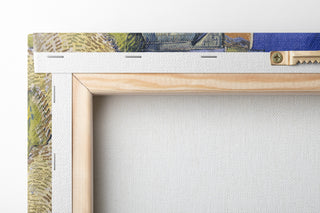
View from behind
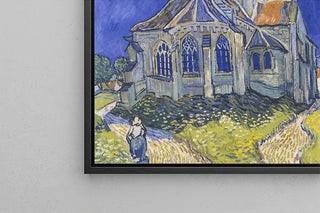
Frame (optional)
In the fascinating world of the Italian Renaissance, the artwork "The Virgin and Child with the Little Saint John" by Marco Palmezzano and his workshop stands out for its delicacy and emotional depth. This sacred representation, emblematic of the period, invites viewers to immerse themselves in a world where spirituality and art converge. The scene, bathed in soft light, evokes a palpable intimacy between the Virgin, the Infant Jesus, and the young Saint John the Baptist. Every detail, from facial expressions to the drapery of the garments, demonstrates technical mastery and artistic sensitivity that captivate the eye and the soul.
Style and uniqueness of the work
The piece is characterized by a harmony of colors and a carefully orchestrated composition. The pastel shades, typical of the era, create a serene and calming atmosphere, while the gestures of the characters, filled with tenderness, reinforce the message of love and protection. The Virgin, depicted with maternal softness, seems to envelop the Infant Jesus with unconditional affection. The little Saint John, for his part, adds a narrative dimension to the scene, symbolizing both innocence and the prefiguration of Christ's destiny. The way Palmezzano plays with light and shadow enhances the volume of the figures, giving them an almost tangible presence. This stylistic approach, combined with meticulous attention to detail, makes this artwork a true masterpiece of the Renaissance.
The artist and his influence
Marco Palmezzano, active between the late 15th and early 16th centuries, is an artist whose work perfectly illustrates the stylistic evolutions of his time. Trained under the influence of great masters such as Piero della Francesca and Giovanni Bellini, he manages to develop a unique style, blending geometric rigor with expressiveness. Palmezzano stands out for his ability to incorporate elements of the Byzantine tradition while embracing the innovations of the Renaissance. His work is not limited to simple imitation of the masters but reflects a personal quest and a pursuit of beauty that
Art print La Vierge à l'Enfant avec le petit saint Jean - Marco Palmezzano et Atelier

-10% FROM €95 IN PURCHASES
-15% FROM €195 IN PURCHASES
Regular price
- Unit price
- per
Tax included.
Free shipping
€4.90 / Free shipping on orders over €39
Satisfied or Money Back
Free returns within 30 days
10-year warranty
Our prints are guaranteed for 10 years
Any questions? We are here!
by email to contact@artemlegrand.com
THE STEPS OF YOUR ORDER

STEP 1 - ORDER PLACED
Your order has been confirmed and we are starting production
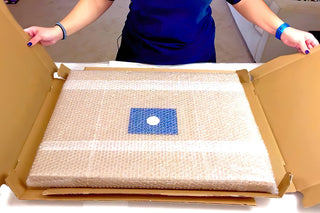
STEP 2 - SHIPPING
We ship your order. We send you an email to track the progress

STEP 3 - DELIVERY
You receive your order. You can also, according to your choice, be delivered to a relay point.
Matte finish
View from behind
Frame (optional)
In the fascinating world of the Italian Renaissance, the artwork "The Virgin and Child with the Little Saint John" by Marco Palmezzano and his workshop stands out for its delicacy and emotional depth. This sacred representation, emblematic of the period, invites viewers to immerse themselves in a world where spirituality and art converge. The scene, bathed in soft light, evokes a palpable intimacy between the Virgin, the Infant Jesus, and the young Saint John the Baptist. Every detail, from facial expressions to the drapery of the garments, demonstrates technical mastery and artistic sensitivity that captivate the eye and the soul.
Style and uniqueness of the work
The piece is characterized by a harmony of colors and a carefully orchestrated composition. The pastel shades, typical of the era, create a serene and calming atmosphere, while the gestures of the characters, filled with tenderness, reinforce the message of love and protection. The Virgin, depicted with maternal softness, seems to envelop the Infant Jesus with unconditional affection. The little Saint John, for his part, adds a narrative dimension to the scene, symbolizing both innocence and the prefiguration of Christ's destiny. The way Palmezzano plays with light and shadow enhances the volume of the figures, giving them an almost tangible presence. This stylistic approach, combined with meticulous attention to detail, makes this artwork a true masterpiece of the Renaissance.
The artist and his influence
Marco Palmezzano, active between the late 15th and early 16th centuries, is an artist whose work perfectly illustrates the stylistic evolutions of his time. Trained under the influence of great masters such as Piero della Francesca and Giovanni Bellini, he manages to develop a unique style, blending geometric rigor with expressiveness. Palmezzano stands out for his ability to incorporate elements of the Byzantine tradition while embracing the innovations of the Renaissance. His work is not limited to simple imitation of the masters but reflects a personal quest and a pursuit of beauty that
12,34 €