
Painting La Vierge à l'Enfant - Master of the Madonna of Dijon | Art print


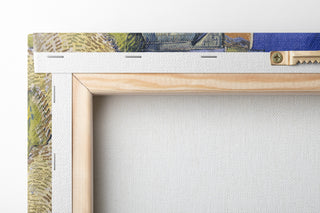
View from behind
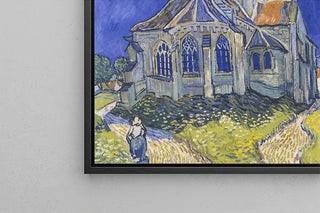
Frame (optional)
Introduction captivante
The Virgin and Child, an iconic work by the Master of the Madonna of Dijon, embodies a sublime fusion of spirituality and humanity. This depiction of the mother and child, rooted in the artistic tradition of early Renaissance, invites deep contemplation. The Virgin's gaze, filled with tenderness and serenity, rests on her son, while he, in an innocent gesture, seems to awaken to life. This scene, bathed in gentle light, evokes an atmosphere of peace and protection, captivating the viewer in a suspended moment. The art print of this piece allows for rediscovering the richness of religious art, while offering a window into the spiritual and emotional concerns of the period.
Style and uniqueness of the work
The style of The Virgin and Child stands out for its striking realism and fine details. The drapery of the clothing, carefully rendered, reveals exceptional technical mastery, while the expressions on the faces demonstrate deep sensitivity. The color palette, subtly nuanced, helps create an atmosphere that is both warm and sacred. The play of light and shadow, characteristic of Renaissance painting, enhances the three-dimensionality of the figures, bringing this timeless scene to life. The composition, balanced and harmonious, guides the viewer's gaze toward the center of the work, where the Virgin and Child flourish in silent dialogue. This stylistic singularity makes The Virgin and Child an essential work, continuing to inspire and move through the centuries.
The artist and his influence
The Master of the Madonna of Dijon, whose exact identity remains mysterious, is often associated with the Burgundian school of the Renaissance. His work is marked by a quest for human expression and a desire to make spirituality accessible to all. Influenced by the artistic innovations of his time, he manages to combine tradition and modernity, integrating elements of Flemish painting while respecting the conventions of religious art. His influence extends beyond
Painting La Vierge à l'Enfant - Master of the Madonna of Dijon | Art print

-10% FROM €95 IN PURCHASES
-15% FROM €195 IN PURCHASES
Regular price
- Unit price
- per
Tax included.
Free shipping
€4.90 / Free shipping on orders over €39
Satisfied or Money Back
Free returns within 30 days
10-year warranty
Our prints are guaranteed for 10 years
Any questions? We are here!
by email to contact@artemlegrand.com
THE STEPS OF YOUR ORDER

STEP 1 - ORDER PLACED
Your order has been confirmed and we are starting production
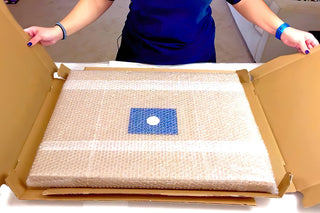
STEP 2 - SHIPPING
We ship your order. We send you an email to track the progress

STEP 3 - DELIVERY
You receive your order. You can also, according to your choice, be delivered to a relay point.
Matte finish
View from behind
Frame (optional)
Introduction captivante
The Virgin and Child, an iconic work by the Master of the Madonna of Dijon, embodies a sublime fusion of spirituality and humanity. This depiction of the mother and child, rooted in the artistic tradition of early Renaissance, invites deep contemplation. The Virgin's gaze, filled with tenderness and serenity, rests on her son, while he, in an innocent gesture, seems to awaken to life. This scene, bathed in gentle light, evokes an atmosphere of peace and protection, captivating the viewer in a suspended moment. The art print of this piece allows for rediscovering the richness of religious art, while offering a window into the spiritual and emotional concerns of the period.
Style and uniqueness of the work
The style of The Virgin and Child stands out for its striking realism and fine details. The drapery of the clothing, carefully rendered, reveals exceptional technical mastery, while the expressions on the faces demonstrate deep sensitivity. The color palette, subtly nuanced, helps create an atmosphere that is both warm and sacred. The play of light and shadow, characteristic of Renaissance painting, enhances the three-dimensionality of the figures, bringing this timeless scene to life. The composition, balanced and harmonious, guides the viewer's gaze toward the center of the work, where the Virgin and Child flourish in silent dialogue. This stylistic singularity makes The Virgin and Child an essential work, continuing to inspire and move through the centuries.
The artist and his influence
The Master of the Madonna of Dijon, whose exact identity remains mysterious, is often associated with the Burgundian school of the Renaissance. His work is marked by a quest for human expression and a desire to make spirituality accessible to all. Influenced by the artistic innovations of his time, he manages to combine tradition and modernity, integrating elements of Flemish painting while respecting the conventions of religious art. His influence extends beyond
12,34 €