
Art print of The Virgin and Child with Saints Mary Magdalene and Catherine - Giovanni Francesco Caroto | Art print


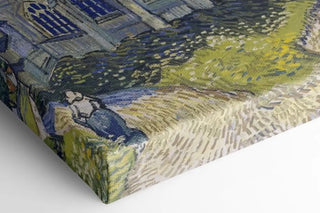
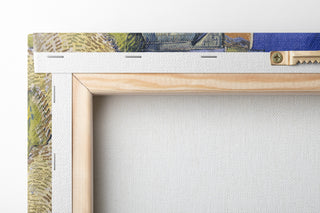
View from behind
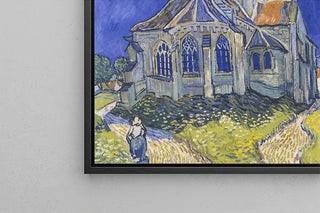
Frame (optional)
In the fascinating universe of Italian Renaissance painting, the artwork "The Virgin and Child with Saints Madeleine and Catherine" by Giovanni Francesco Caroto stands out for its emotional depth and narrative richness. This piece, which evokes maternal tenderness and spirituality, immerses the viewer in a suspended moment between the divine and the human. The composition, filled with delicacy, invites us to contemplate not only the beauty of the figures but also the complexity of the human and sacred relationships woven within this scene. Caroto, through his talent, manages to capture a timeless essence, making this art print particularly valuable for those wishing to enrich their living space with a touch of history and culture.
Style and uniqueness of the work
Caroto's style is characterized by a masterful use of color and light, which give his characters a striking vitality. In this artwork, the soft and nuanced palette creates a calming atmosphere, while the expressions of the figures reveal rare psychological depth. The Virgin, at the center of the composition, is depicted with infinite grace, holding the Baby Jesus in her arms with palpable tenderness. The saints Madeleine and Catherine, who surround her, add an extra dimension to the scene, embodying faith and devotion. The meticulous details, such as the drapery of the garments and symbolic elements, testify to Caroto's technical skill, while reinforcing the spiritual message of the piece. This painting is much more than a simple religious representation; it is an exploration of human emotions, a dialogue between the sacred and the everyday.
The artist and his influence
Giovanni Francesco Caroto, active in the early 16th century, is often considered one of the lesser-known masters of Italian Renaissance. Originating from Verona, he established himself through his distinctive style, blending Venetian influences with characteristics of the Mannerist movement. His ability to capture nuanced expressions and play with light left a mark on his contemporaries and left a lasting imprint on subsequent generations. Although
Art print of The Virgin and Child with Saints Mary Magdalene and Catherine - Giovanni Francesco Caroto | Art print

-10% FROM €95 IN PURCHASES
-15% FROM €195 IN PURCHASES
Regular price
- Unit price
- per
Tax included.
Free shipping
€4.90 / Free shipping on orders over €39
Satisfied or Money Back
Free returns within 30 days
10-year warranty
Our prints are guaranteed for 10 years
Any questions? We are here!
by email to contact@artemlegrand.com
THE STEPS OF YOUR ORDER

STEP 1 - ORDER PLACED
Your order has been confirmed and we are starting production
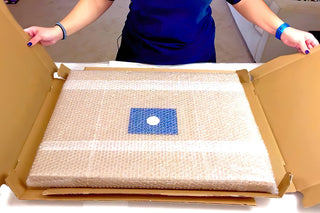
STEP 2 - SHIPPING
We ship your order. We send you an email to track the progress

STEP 3 - DELIVERY
You receive your order. You can also, according to your choice, be delivered to a relay point.
Matte finish
View from behind
Frame (optional)
In the fascinating universe of Italian Renaissance painting, the artwork "The Virgin and Child with Saints Madeleine and Catherine" by Giovanni Francesco Caroto stands out for its emotional depth and narrative richness. This piece, which evokes maternal tenderness and spirituality, immerses the viewer in a suspended moment between the divine and the human. The composition, filled with delicacy, invites us to contemplate not only the beauty of the figures but also the complexity of the human and sacred relationships woven within this scene. Caroto, through his talent, manages to capture a timeless essence, making this art print particularly valuable for those wishing to enrich their living space with a touch of history and culture.
Style and uniqueness of the work
Caroto's style is characterized by a masterful use of color and light, which give his characters a striking vitality. In this artwork, the soft and nuanced palette creates a calming atmosphere, while the expressions of the figures reveal rare psychological depth. The Virgin, at the center of the composition, is depicted with infinite grace, holding the Baby Jesus in her arms with palpable tenderness. The saints Madeleine and Catherine, who surround her, add an extra dimension to the scene, embodying faith and devotion. The meticulous details, such as the drapery of the garments and symbolic elements, testify to Caroto's technical skill, while reinforcing the spiritual message of the piece. This painting is much more than a simple religious representation; it is an exploration of human emotions, a dialogue between the sacred and the everyday.
The artist and his influence
Giovanni Francesco Caroto, active in the early 16th century, is often considered one of the lesser-known masters of Italian Renaissance. Originating from Verona, he established himself through his distinctive style, blending Venetian influences with characteristics of the Mannerist movement. His ability to capture nuanced expressions and play with light left a mark on his contemporaries and left a lasting imprint on subsequent generations. Although
12,34 €