
Art print The Festival of the twenty-four years of Victor Hugo - Jean François Raffaëlli | Art print


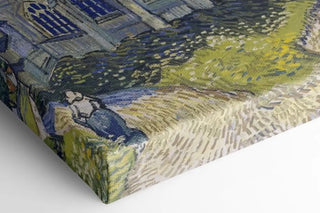
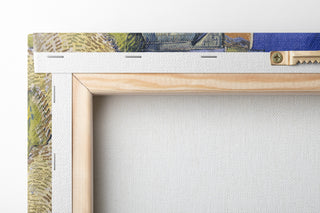
View from behind
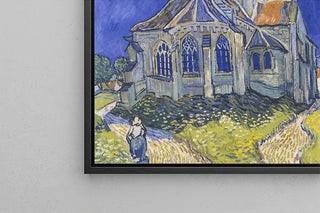
Frame (optional)
In the vibrant world of art, some works stand out for their ability to capture the essence of an era, to immortalize moments of life, and to evoke deep emotions. "The Festival of Victor Hugo's Twenty-Four Years" by Jean François Raffaëlli is one of those creations that transcends the simple frame of painting. Celebrating the great French writer and poet, Raffaëlli immerses us in a lively atmosphere where literature and painting converge to give birth to an iconic piece. This art print, while offering a window into the past, provides a reflection on the role of art in society and how it can serve as a vehicle for expression and memory.
Style and uniqueness of the work
Raffaëlli's work is characterized by a unique approach that blends realism and impressionism, creating a fascinating dialogue between light and shadow. In "The Festival of Victor Hugo's Twenty-Four Years," the painter deploys a palette of rich and vibrant colors that breathe new life into the depicted characters. Every face, every gesture, seems to tell a story, evoking not only the celebrated event but also the emotions and aspirations of the participants. The composition, carefully orchestrated, draws the eye and invites prolonged contemplation, allowing the viewer to immerse themselves in this festive scene. The meticulous details, such as period costumes and the expressions of the figures, testify to an attention to historical accuracy, while revealing the artist's passion for his subject.
The artist and his influence
Jean François Raffaëlli, an emblematic figure of the late 19th century, stands out for his commitment to representing the working classes and daily life. Influenced by the artistic movements of his time, he manages to create a work that reflects both the beauty and melancholy of human existence. His style, at the crossroads between realism and impressionism, allows him to capture fleeting moments with rare intensity. Raffaëlli established himself as a witness of his era, addressing themes such as the condition
Art print The Festival of the twenty-four years of Victor Hugo - Jean François Raffaëlli | Art print

-10% FROM €95 IN PURCHASES
-15% FROM €195 IN PURCHASES
Regular price
- Unit price
- per
Tax included.
Free shipping
€4.90 / Free shipping on orders over €39
Satisfied or Money Back
Free returns within 30 days
10-year warranty
Our prints are guaranteed for 10 years
Any questions? We are here!
by email to contact@artemlegrand.com
THE STEPS OF YOUR ORDER
STEP 1 - ORDER PLACED
Your order has been confirmed and we are starting production
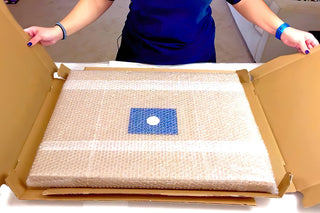
STEP 2 - SHIPPING
We ship your order. We send you an email to track the progress

STEP 3 - DELIVERY
You receive your order. You can also, according to your choice, be delivered to a relay point.
Matte finish
View from behind
Frame (optional)
In the vibrant world of art, some works stand out for their ability to capture the essence of an era, to immortalize moments of life, and to evoke deep emotions. "The Festival of Victor Hugo's Twenty-Four Years" by Jean François Raffaëlli is one of those creations that transcends the simple frame of painting. Celebrating the great French writer and poet, Raffaëlli immerses us in a lively atmosphere where literature and painting converge to give birth to an iconic piece. This art print, while offering a window into the past, provides a reflection on the role of art in society and how it can serve as a vehicle for expression and memory.
Style and uniqueness of the work
Raffaëlli's work is characterized by a unique approach that blends realism and impressionism, creating a fascinating dialogue between light and shadow. In "The Festival of Victor Hugo's Twenty-Four Years," the painter deploys a palette of rich and vibrant colors that breathe new life into the depicted characters. Every face, every gesture, seems to tell a story, evoking not only the celebrated event but also the emotions and aspirations of the participants. The composition, carefully orchestrated, draws the eye and invites prolonged contemplation, allowing the viewer to immerse themselves in this festive scene. The meticulous details, such as period costumes and the expressions of the figures, testify to an attention to historical accuracy, while revealing the artist's passion for his subject.
The artist and his influence
Jean François Raffaëlli, an emblematic figure of the late 19th century, stands out for his commitment to representing the working classes and daily life. Influenced by the artistic movements of his time, he manages to create a work that reflects both the beauty and melancholy of human existence. His style, at the crossroads between realism and impressionism, allows him to capture fleeting moments with rare intensity. Raffaëlli established himself as a witness of his era, addressing themes such as the condition
12,34 €