
Painting The Betrayal of Christ - Philip James de Loutherbourg | Art print


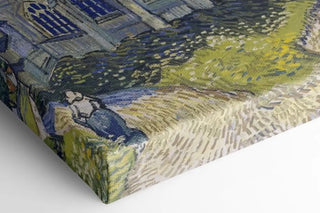
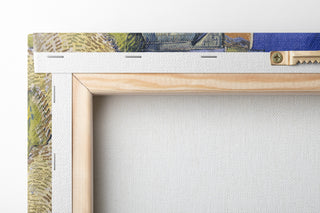
View from behind
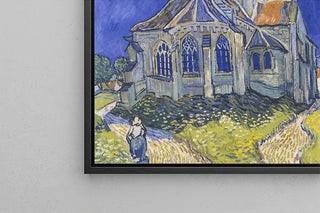
Frame (optional)
La trahison du Christ - Philip James de Loutherbourg – Captivating introduction
The artwork "La trahison du Christ" by Philip James de Loutherbourg presents a scene that is both dramatic and poignant, capturing a pivotal moment in biblical history. This painting, which evokes the betrayal of Judas, invites viewers to immerse themselves in a universe where emotion and spirituality intersect. Through vivid colors and striking contrasts, Loutherbourg succeeds in conveying the palpable tension that dominates this scene, where light and shadow engage in a symbolic struggle. The art print of this piece allows not only for an appreciation of the artist's technical mastery but also encourages reflection on the profound themes it explores, such as loyalty, betrayal, and sacrifice.
Style and uniqueness of the work
In "La trahison du Christ," Loutherbourg employs a style that combines realism and romanticism. The human figures, rendered with remarkable precision, are imbued with an emotional intensity that captures the viewer's eye. The composition is carefully orchestrated, with each character occupying a strategic position that enhances the drama of the scene. The faces, marked by expressions of pain and betrayal, each tell a story, while the movement of the bodies seems almost tangible. The play of light, emphasizing the details of clothing and faces, adds an almost theatrical dimension to the piece. Loutherbourg, through his approach, manages to create an immersive atmosphere where the viewer feels involved in the tragic narrative unfolding before their eyes.
The artist and his influence
Philip James de Loutherbourg, born in 1740, made his mark on his era with his unique talent and artistic vision. A British-born artist, he was influenced by European currents of his time, notably romanticism. His ability to capture intense emotions and dramatic moments made him a pioneer in the field of narrative painting. Loutherbourg was also an innovator in the use of light and color, which allowed him to create dynamic and evocative atmospheres. His work, although sometimes lesser known, has had a lasting impact on the art world.
Painting The Betrayal of Christ - Philip James de Loutherbourg | Art print

-10% FROM €95 IN PURCHASES
-15% FROM €195 IN PURCHASES
Regular price
- Unit price
- per
Tax included.
Free shipping
€4.90 / Free shipping on orders over €39
Satisfied or Money Back
Free returns within 30 days
10-year warranty
Our prints are guaranteed for 10 years
Any questions? We are here!
by email to contact@artemlegrand.com
THE STEPS OF YOUR ORDER

STEP 1 - ORDER PLACED
Your order has been confirmed and we are starting production
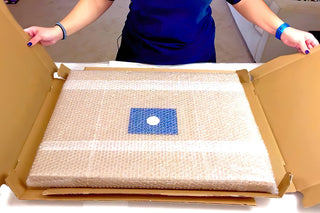
STEP 2 - SHIPPING
We ship your order. We send you an email to track the progress

STEP 3 - DELIVERY
You receive your order. You can also, according to your choice, be delivered to a relay point.
Matte finish
View from behind
Frame (optional)
La trahison du Christ - Philip James de Loutherbourg – Captivating introduction
The artwork "La trahison du Christ" by Philip James de Loutherbourg presents a scene that is both dramatic and poignant, capturing a pivotal moment in biblical history. This painting, which evokes the betrayal of Judas, invites viewers to immerse themselves in a universe where emotion and spirituality intersect. Through vivid colors and striking contrasts, Loutherbourg succeeds in conveying the palpable tension that dominates this scene, where light and shadow engage in a symbolic struggle. The art print of this piece allows not only for an appreciation of the artist's technical mastery but also encourages reflection on the profound themes it explores, such as loyalty, betrayal, and sacrifice.
Style and uniqueness of the work
In "La trahison du Christ," Loutherbourg employs a style that combines realism and romanticism. The human figures, rendered with remarkable precision, are imbued with an emotional intensity that captures the viewer's eye. The composition is carefully orchestrated, with each character occupying a strategic position that enhances the drama of the scene. The faces, marked by expressions of pain and betrayal, each tell a story, while the movement of the bodies seems almost tangible. The play of light, emphasizing the details of clothing and faces, adds an almost theatrical dimension to the piece. Loutherbourg, through his approach, manages to create an immersive atmosphere where the viewer feels involved in the tragic narrative unfolding before their eyes.
The artist and his influence
Philip James de Loutherbourg, born in 1740, made his mark on his era with his unique talent and artistic vision. A British-born artist, he was influenced by European currents of his time, notably romanticism. His ability to capture intense emotions and dramatic moments made him a pioneer in the field of narrative painting. Loutherbourg was also an innovator in the use of light and color, which allowed him to create dynamic and evocative atmospheres. His work, although sometimes lesser known, has had a lasting impact on the art world.
12,34 €