
Art print La rue de la Fontaine-Mulard place de Rungis - Germain Eugène Bonneton


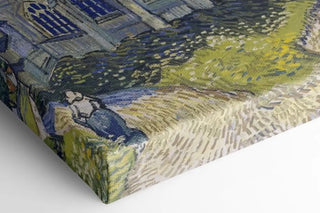
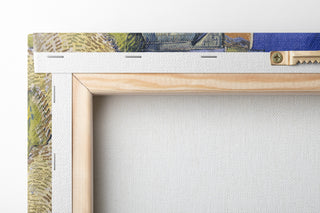
View from behind
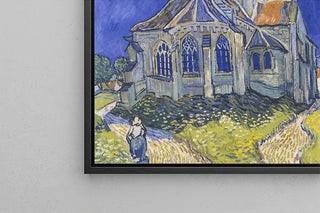
Frame (optional)
In the vast panorama of 19th-century French art, the artwork "La rue de la Fontaine-Mulard place de Rungis" by Germain Eugène Bonneton stands out for its ability to capture the very essence of urban life. This canvas, which depicts a scene from everyday life, transports us to the heart of a Paris in full transformation. The vibrant colors and meticulous details immerse us in a lively atmosphere, where each character seems to tell a story. The light playing on the wet cobblestones and the shadows cast by the buildings create an almost cinematic dimension, inviting us to explore the hidden narratives behind every street corner.
Style and uniqueness of the artwork
Bonneton’s style is characterized by a realistic approach, where the precision of details does not detract from the emotion conveyed by the scene. Every element, from the facades of the buildings to the busy passersby, is rendered with a meticulousness that reflects attentive observation of daily life. The artist uses a rich palette, blending warm and cool tones, to evoke both the beauty and melancholy of urban life. The characters, although often anonymous, possess a certain expressiveness, allowing the viewer to identify with them and feel the emotions emanating from this lively street. The composition, balanced and dynamic, guides the eye across the canvas, gradually revealing the subtleties of this Parisian scene.
The artist and his influence
Germain Eugène Bonneton, though less known than some of his contemporaries, managed to leave his mark on his era with a unique vision of urban art. Trained in Parisian ateliers, he was influenced by the realist movement that advocated a faithful representation of society. His works, often inspired by popular life, testify to a deep commitment to the social reality of his time. Bonneton captured the transformations of Paris, notably under the influence of Baron Haussmann, and thus contributed to documenting the city’s evolution. His sharp eye on scenes of daily life makes him a
Art print La rue de la Fontaine-Mulard place de Rungis - Germain Eugène Bonneton

-10% FROM €95 IN PURCHASES
-15% FROM €195 IN PURCHASES
Regular price
- Unit price
- per
Tax included.
Free shipping
€4.90 / Free shipping on orders over €39
Satisfied or Money Back
Free returns within 30 days
10-year warranty
Our prints are guaranteed for 10 years
Any questions? We are here!
by email to contact@artemlegrand.com
THE STEPS OF YOUR ORDER

STEP 1 - ORDER PLACED
Your order has been confirmed and we are starting production
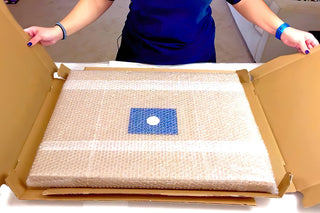
STEP 2 - SHIPPING
We ship your order. We send you an email to track the progress

STEP 3 - DELIVERY
You receive your order. You can also, according to your choice, be delivered to a relay point.
Matte finish
View from behind
Frame (optional)
In the vast panorama of 19th-century French art, the artwork "La rue de la Fontaine-Mulard place de Rungis" by Germain Eugène Bonneton stands out for its ability to capture the very essence of urban life. This canvas, which depicts a scene from everyday life, transports us to the heart of a Paris in full transformation. The vibrant colors and meticulous details immerse us in a lively atmosphere, where each character seems to tell a story. The light playing on the wet cobblestones and the shadows cast by the buildings create an almost cinematic dimension, inviting us to explore the hidden narratives behind every street corner.
Style and uniqueness of the artwork
Bonneton’s style is characterized by a realistic approach, where the precision of details does not detract from the emotion conveyed by the scene. Every element, from the facades of the buildings to the busy passersby, is rendered with a meticulousness that reflects attentive observation of daily life. The artist uses a rich palette, blending warm and cool tones, to evoke both the beauty and melancholy of urban life. The characters, although often anonymous, possess a certain expressiveness, allowing the viewer to identify with them and feel the emotions emanating from this lively street. The composition, balanced and dynamic, guides the eye across the canvas, gradually revealing the subtleties of this Parisian scene.
The artist and his influence
Germain Eugène Bonneton, though less known than some of his contemporaries, managed to leave his mark on his era with a unique vision of urban art. Trained in Parisian ateliers, he was influenced by the realist movement that advocated a faithful representation of society. His works, often inspired by popular life, testify to a deep commitment to the social reality of his time. Bonneton captured the transformations of Paris, notably under the influence of Baron Haussmann, and thus contributed to documenting the city’s evolution. His sharp eye on scenes of daily life makes him a
12,34 €