
Painting The Pinch of Poverty - Thomas Benjamin Kennington | Art print


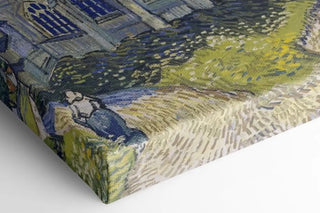
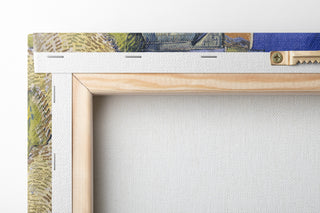
View from behind
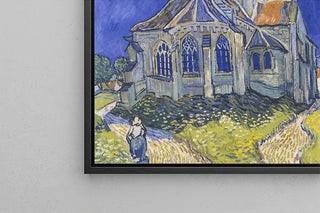
Frame (optional)
In a world where art echoes human emotions, "The Pinch of Poverty" by Thomas Benjamin Kennington stands as a poignant work, revealing the silent struggle of the most disadvantaged. This painting, both touching and evocative, immerses the viewer in a social reality often overlooked. Through delicate strokes and a carefully chosen color palette, Kennington manages to capture the very essence of human suffering while offering a glimmer of hope. The piece invites deep reflection on the human condition, resonating with universal emotions that transcend time and space.
Style and uniqueness of the work
Kennington's style is characterized by striking realism, where every detail is meticulously crafted. In "The Pinch of Poverty," the figures are rendered with such precision that they seem almost tangible. The expressions of the characters, marked by sadness and resignation, reflect a society beset by economic hardships. This art print does not merely depict misery; it explores its nuances, revealing the dignity of the subjects despite their precarious situation. The composition, carefully orchestrated, guides the viewer’s gaze through a scene full of meaning, where each element contributes to the whole. The light, soft and diffuse, plays a crucial role in highlighting contrasts between shadow and clarity, symbolizing hope that can emerge even from the darkest situations.
The artist and his influence
Thomas Benjamin Kennington, an emblematic figure of the 19th-century British art movement, knew how to leave his mark through his social engagement and artistic sensitivity. Influenced by French Realists and Pre-Raphaelites, Kennington developed a unique style that combines impeccable technique with profound humanism. His works, often centered on social themes, testify to a desire to raise awareness of the injustices of his time. By shining a light on the lives of the most disadvantaged, he helped open Victorian society’s eyes to often hidden realities. His ability to marry aesthetics with a strong social message makes him an essential artist, whose influence continues to inspire.
Painting The Pinch of Poverty - Thomas Benjamin Kennington | Art print

-10% FROM €95 IN PURCHASES
-15% FROM €195 IN PURCHASES
Regular price
- Unit price
- per
Tax included.
Free shipping
€4.90 / Free shipping on orders over €39
Satisfied or Money Back
Free returns within 30 days
10-year warranty
Our prints are guaranteed for 10 years
Any questions? We are here!
by email to contact@artemlegrand.com
THE STEPS OF YOUR ORDER

STEP 1 - ORDER PLACED
Your order has been confirmed and we are starting production
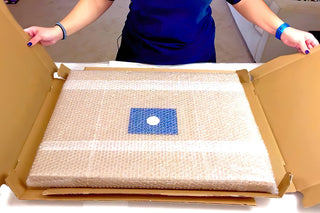
STEP 2 - SHIPPING
We ship your order. We send you an email to track the progress

STEP 3 - DELIVERY
You receive your order. You can also, according to your choice, be delivered to a relay point.
Matte finish
View from behind
Frame (optional)
In a world where art echoes human emotions, "The Pinch of Poverty" by Thomas Benjamin Kennington stands as a poignant work, revealing the silent struggle of the most disadvantaged. This painting, both touching and evocative, immerses the viewer in a social reality often overlooked. Through delicate strokes and a carefully chosen color palette, Kennington manages to capture the very essence of human suffering while offering a glimmer of hope. The piece invites deep reflection on the human condition, resonating with universal emotions that transcend time and space.
Style and uniqueness of the work
Kennington's style is characterized by striking realism, where every detail is meticulously crafted. In "The Pinch of Poverty," the figures are rendered with such precision that they seem almost tangible. The expressions of the characters, marked by sadness and resignation, reflect a society beset by economic hardships. This art print does not merely depict misery; it explores its nuances, revealing the dignity of the subjects despite their precarious situation. The composition, carefully orchestrated, guides the viewer’s gaze through a scene full of meaning, where each element contributes to the whole. The light, soft and diffuse, plays a crucial role in highlighting contrasts between shadow and clarity, symbolizing hope that can emerge even from the darkest situations.
The artist and his influence
Thomas Benjamin Kennington, an emblematic figure of the 19th-century British art movement, knew how to leave his mark through his social engagement and artistic sensitivity. Influenced by French Realists and Pre-Raphaelites, Kennington developed a unique style that combines impeccable technique with profound humanism. His works, often centered on social themes, testify to a desire to raise awareness of the injustices of his time. By shining a light on the lives of the most disadvantaged, he helped open Victorian society’s eyes to often hidden realities. His ability to marry aesthetics with a strong social message makes him an essential artist, whose influence continues to inspire.
12,34 €