
Painting The Little Brown Flycatcher - Mark Catesby | Art print


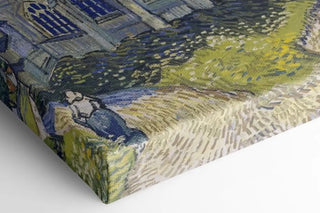
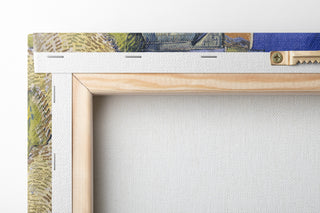
View from behind
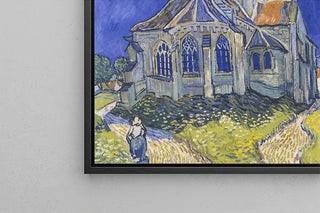
Frame (optional)
In the fascinating world of naturalist art, "Le petit moucherolle brun" by Mark Catesby stands out for its elegance and delicacy. This artwork, which captures the fleeting beauty of a often overlooked bird, invites viewers to a careful contemplation. Catesby, a pioneer of the 18th century, masterfully combined science and aesthetics, offering a unique vision of American wildlife. Through this art print, viewers are transported to a world where every detail matters, where nature reveals itself with extraordinary grace. Catesby's work is much more than a simple illustration; it is an ode to biodiversity and the beauty of creation.
Style and uniqueness of the work
Mark Catesby's style is characterized by striking realism, combined with an artistic sensitivity that transcends mere visual recording. In "Le petit moucherolle brun," the artist manages to capture not only the physical appearance of the bird but also its essence. The soft colors and subtle nuances of the flycatcher's plumage, as well as the precision of the lines, testify to meticulous observation of nature. Catesby does not merely depict his subject; he places it within an environment that evokes its natural habitat, creating a harmonious whole. This immersive approach allows viewers to feel a deep connection with nature while admiring the artist's meticulous work.
The artist and his influence
Mark Catesby, often considered the father of American ornithology, played a crucial role in documenting the fauna and flora of the New World. His work, which emerged at a time when science and art were beginning to intersect, paved the way for many subsequent artists and naturalists. Catesby traveled across American colonies, collecting specimens and drawing inspiration from the biodiversity around him. His innovative approach influenced generations of artists, making him an iconic figure of the 18th century. By depicting lesser-known species, he not only enriched the artistic heritage but also raised public awareness about the importance of preserving biodiversity.
Painting The Little Brown Flycatcher - Mark Catesby | Art print

-10% FROM €95 IN PURCHASES
-15% FROM €195 IN PURCHASES
Regular price
- Unit price
- per
Tax included.
Free shipping
€4.90 / Free shipping on orders over €39
Satisfied or Money Back
Free returns within 30 days
10-year warranty
Our prints are guaranteed for 10 years
Any questions? We are here!
by email to contact@artemlegrand.com
THE STEPS OF YOUR ORDER

STEP 1 - ORDER PLACED
Your order has been confirmed and we are starting production
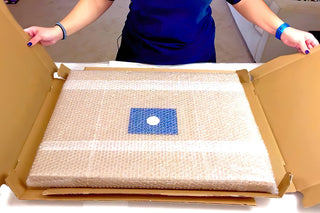
STEP 2 - SHIPPING
We ship your order. We send you an email to track the progress

STEP 3 - DELIVERY
You receive your order. You can also, according to your choice, be delivered to a relay point.
Matte finish
View from behind
Frame (optional)
In the fascinating world of naturalist art, "Le petit moucherolle brun" by Mark Catesby stands out for its elegance and delicacy. This artwork, which captures the fleeting beauty of a often overlooked bird, invites viewers to a careful contemplation. Catesby, a pioneer of the 18th century, masterfully combined science and aesthetics, offering a unique vision of American wildlife. Through this art print, viewers are transported to a world where every detail matters, where nature reveals itself with extraordinary grace. Catesby's work is much more than a simple illustration; it is an ode to biodiversity and the beauty of creation.
Style and uniqueness of the work
Mark Catesby's style is characterized by striking realism, combined with an artistic sensitivity that transcends mere visual recording. In "Le petit moucherolle brun," the artist manages to capture not only the physical appearance of the bird but also its essence. The soft colors and subtle nuances of the flycatcher's plumage, as well as the precision of the lines, testify to meticulous observation of nature. Catesby does not merely depict his subject; he places it within an environment that evokes its natural habitat, creating a harmonious whole. This immersive approach allows viewers to feel a deep connection with nature while admiring the artist's meticulous work.
The artist and his influence
Mark Catesby, often considered the father of American ornithology, played a crucial role in documenting the fauna and flora of the New World. His work, which emerged at a time when science and art were beginning to intersect, paved the way for many subsequent artists and naturalists. Catesby traveled across American colonies, collecting specimens and drawing inspiration from the biodiversity around him. His innovative approach influenced generations of artists, making him an iconic figure of the 18th century. By depicting lesser-known species, he not only enriched the artistic heritage but also raised public awareness about the importance of preserving biodiversity.
12,34 €