
Painting The sacrifice of Polyxena - Giovanni Battista Pittoni | Art print


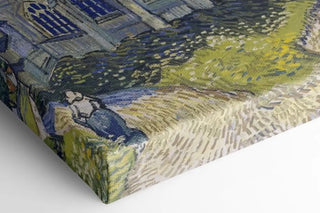
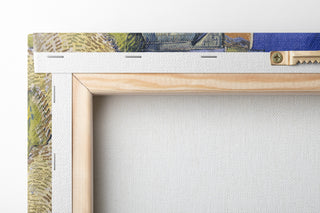
View from behind
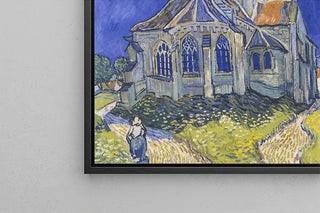
Frame (optional)
At the heart of art history, certain works transcend their era to become timeless witnesses to the human condition. "The Sacrifice of Polyxena" by Giovanni Battista Pittoni is one of those creations that, through its dramatic intensity and narrative richness, captures the attention and imagination of art enthusiasts. This canvas, imbued with poignant emotions, evokes a tragic moment from Greek mythology, where Polyxena, daughter of King Priam, is offered as a sacrifice to appease the gods. Through this painting, Pittoni transports us to a universe where beauty and suffering intertwine, revealing the depth of the human soul.
Style and uniqueness of the work
The work stands out for its baroque style, characterized by bold use of light and shadow, which enhances the drama of the depicted scene. The figures are rendered with remarkable precision, each detail contributing to the expression of emotions. The faces, marked by pain and resignation, tell a story that goes beyond simple gestures. The composition is carefully orchestrated, with the characters arranged to guide the viewer’s gaze toward the central point of action, creating a captivating dynamic. The color palette, rich and vibrant, adds an extra dimension to the work, highlighting the tension that reigns in this tragic scene. In sum, "The Sacrifice of Polyxena" does not merely depict a mythological event; it invites reflection on sacrifice, loss, and fatality.
The artist and his influence
Giovanni Battista Pittoni, an 18th-century Venetian painter, is often recognized for his ability to fuse baroque style with elements of rococo painting. His work is marked by a constant pursuit of beauty, both in the depiction of human figures and in the composition of scenes. Pittoni established himself in the artistic circles of his time, influencing many contemporaries with his innovative approach. His paintings, often inspired by mythological and biblical stories, demonstrate impressive technical mastery and a sensitivity to visual storytelling. The impact of
Painting The sacrifice of Polyxena - Giovanni Battista Pittoni | Art print

-10% FROM €95 IN PURCHASES
-15% FROM €195 IN PURCHASES
Regular price
- Unit price
- per
Tax included.
Free shipping
€4.90 / Free shipping on orders over €39
Satisfied or Money Back
Free returns within 30 days
10-year warranty
Our prints are guaranteed for 10 years
Any questions? We are here!
by email to contact@artemlegrand.com
THE STEPS OF YOUR ORDER

STEP 1 - ORDER PLACED
Your order has been confirmed and we are starting production
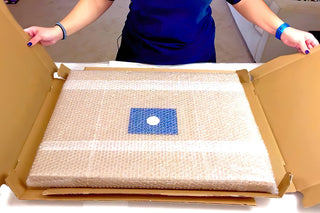
STEP 2 - SHIPPING
We ship your order. We send you an email to track the progress

STEP 3 - DELIVERY
You receive your order. You can also, according to your choice, be delivered to a relay point.
Matte finish
View from behind
Frame (optional)
At the heart of art history, certain works transcend their era to become timeless witnesses to the human condition. "The Sacrifice of Polyxena" by Giovanni Battista Pittoni is one of those creations that, through its dramatic intensity and narrative richness, captures the attention and imagination of art enthusiasts. This canvas, imbued with poignant emotions, evokes a tragic moment from Greek mythology, where Polyxena, daughter of King Priam, is offered as a sacrifice to appease the gods. Through this painting, Pittoni transports us to a universe where beauty and suffering intertwine, revealing the depth of the human soul.
Style and uniqueness of the work
The work stands out for its baroque style, characterized by bold use of light and shadow, which enhances the drama of the depicted scene. The figures are rendered with remarkable precision, each detail contributing to the expression of emotions. The faces, marked by pain and resignation, tell a story that goes beyond simple gestures. The composition is carefully orchestrated, with the characters arranged to guide the viewer’s gaze toward the central point of action, creating a captivating dynamic. The color palette, rich and vibrant, adds an extra dimension to the work, highlighting the tension that reigns in this tragic scene. In sum, "The Sacrifice of Polyxena" does not merely depict a mythological event; it invites reflection on sacrifice, loss, and fatality.
The artist and his influence
Giovanni Battista Pittoni, an 18th-century Venetian painter, is often recognized for his ability to fuse baroque style with elements of rococo painting. His work is marked by a constant pursuit of beauty, both in the depiction of human figures and in the composition of scenes. Pittoni established himself in the artistic circles of his time, influencing many contemporaries with his innovative approach. His paintings, often inspired by mythological and biblical stories, demonstrate impressive technical mastery and a sensitivity to visual storytelling. The impact of
12,34 €